
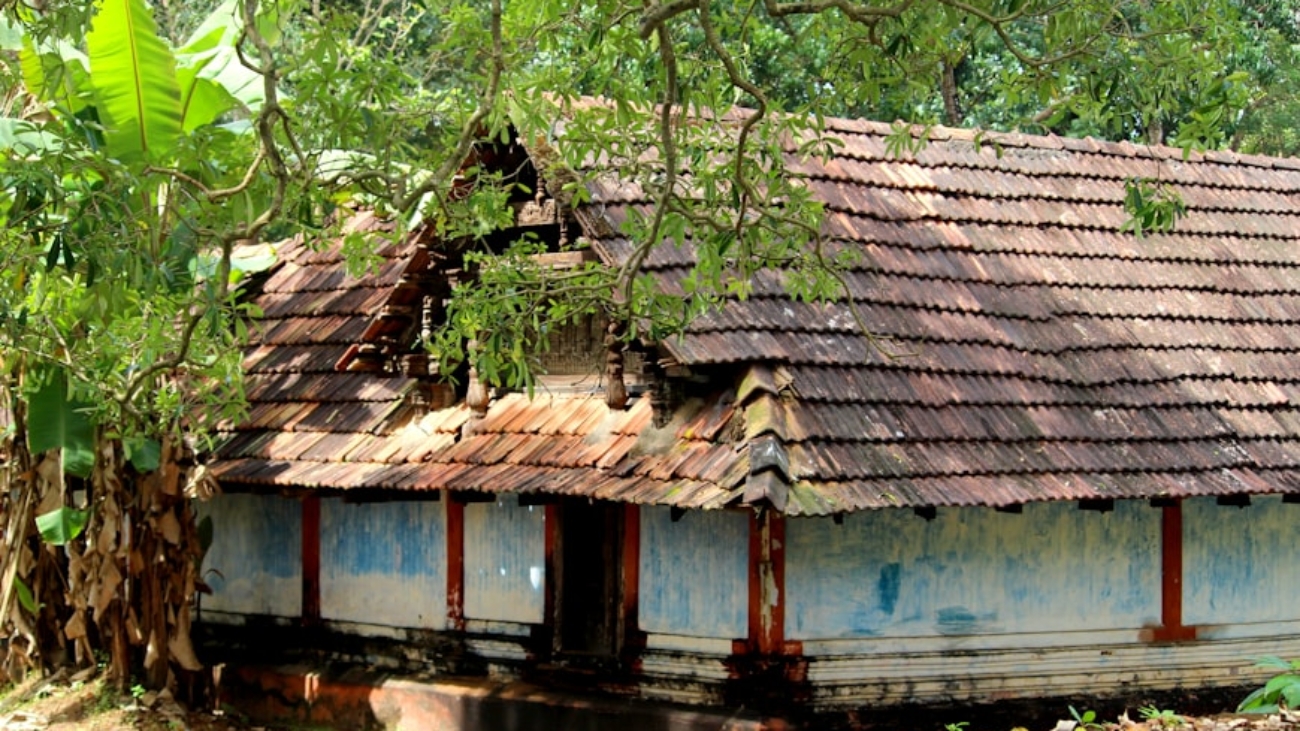
Kerala’s temple festivals are more than religious events—they are the living pulse of its cultural identity. They carry centuries of ritual knowledge, music, dance, craftsmanship, community organisation, and social bonding. They are also economic ecosystems generating livelihoods for artisans, percussionists, elephant caretakers, flower traders, costume designers, and food vendors. Yet as Kerala moves toward 2047, this heritage faces profound challenges: rapid urbanisation, generational disconnect, regulatory pressures, rising costs, shrinking patron communities, and a society whose leisure patterns are increasingly digital. Temple festivals remain emotionally powerful, but participation is thinning. Many younger people view them from a distance—liking photos, forwarding Reels, yet not engaging in the deeper cultural experience. Kerala Vision 2047 must redefine the role of temple festivals and cultural identity in a modern, globally connected, technologically saturated society.
The first step is acknowledging that this heritage requires structured revitalisation. Temple festivals cannot survive simply on tradition. They must evolve in ways that preserve their essence while adapting to contemporary realities. Ritual purity and artistic integrity must be protected, but organisational models, safety practices, environmental management, and public engagement must innovate. The future will belong to festivals that feel meaningful, accessible, and safe—yet remain deeply rooted in Kerala’s cultural DNA.
One of the biggest challenges is generational disconnection. Gen Z and younger Malayalis are growing up in an environment shaped by mobile screens rather than community events. Their cultural exposure is global, fragmented, and attention-driven. To reconnect them with temple festivals, Kerala must embed culture within modern formats. Digital archives of percussion traditions, VR experiences of festivals like Thrissur Pooram or Arattupuzha, interactive apps explaining rituals, and YouTube channels run by young cultural ambassadors can translate ancient traditions into young imaginations. Temple committees should collaborate with filmmakers, designers, and musicians to create short films, podcasts, and graphic-style storytelling that explains the philosophy, history, and artistry behind each festival. When youth understand the meaning behind the spectacle, participation naturally deepens.
Formal education must also play a role. Kerala’s children are taught about global cultures but rarely about their own temples, rituals, and folk traditions. By 2047, cultural literacy must become part of the curriculum. Schools should organise heritage walks, percussion workshops, craft sessions, and interactions with temple artisans. Temple festival seasons should become cultural learning seasons where students volunteer, document traditions, and contribute to festival organisation. Such exposure creates emotional memory and cultural ownership—two ingredients critical for long-term preservation.
The artistic dimension of temple festivals requires serious investment. Kerala’s percussion ensembles—Chenda melam, Panchari, Pandi, Thayambaka—are internationally acclaimed but face declining numbers of trained youngsters. Many master artists struggle with low incomes, irregular performance opportunities, and limited institutional support. Kerala Vision 2047 must establish dedicated arts academies for temple music, costume-making, deity decoration, and ritual choreography, supported by scholarships, digital training materials, and global touring opportunities. When the artists who carry tradition feel respected and financially secure, the art forms will flourish.
Elephant participation in festivals is another deeply sensitive and complex issue. Kerala’s relationship with elephants is centuries old, but modern welfare standards, safety concerns, and climate realities require a new model. By 2047, the state must adopt a hybrid approach: reducing excessive use, ensuring strict welfare protocols, limiting festival exposure during extreme heat or stress conditions, and exploring high-quality, culturally respectful alternatives where necessary. The goal is not to break tradition, but to protect both heritage and animal welfare. Kerala can even pioneer digital elephant processions for certain events—beautiful, technologically advanced, and deeply symbolic—while retaining real elephants for the most significant rituals under safe conditions.
A major transformation needed is professionalising festival management. Most temple committees still operate with outdated structures that cannot handle the crowds, budgets, and safety risks of modern festivals. Vision 2047 proposes a Festival Management Authority that trains volunteers, standardises safety practices, coordinates fire services, ensures electrical safety, and enforces crowd management protocols. Festivals should adopt digital ticketing for crowd prediction, live-monitoring cameras for safety, and structured emergency response plans. When people feel safe, festivals thrive.
Environmental sustainability must be woven into cultural revival. Festivals produce large amounts of waste—plastic, food waste, paper, and decorations. By 2047, all major temple festivals must follow zero-waste guidelines: reusable plates, composting, cloth banners, biodegradable decorations, and systematic waste segregation. Fireworks, a beloved aspect of Kerala temple culture, must evolve with technology—adopting low-smoke, noise-controlled, and environmentally safer pyrotechnics. Kerala can become the global leader in sustainable festival innovations, proving that heritage and ecological responsibility can coexist harmoniously.
Economic revitalisation is crucial. Temple festivals already generate thousands of jobs, but their economic potential remains underdeveloped. By 2047, Kerala must build a temple economy that includes artisan cooperatives, tourism circuits, festival craft markets, classical arts residencies, and digital marketplaces for traditional products. Temple festivals can anchor regional economic clusters—supporting local hotels, transport networks, food industries, and cultural enterprises. A structured economic strategy ensures that festivals remain financially sustainable while uplifting local communities.
Another dimension of revival is inclusiveness. Traditional festivals often have rigid gender, caste, or community boundaries. Kerala Vision 2047 must reimagine festivals as platforms of cultural unity rather than exclusion. Without distorting ritual frameworks, spaces must be created for women artists, youth volunteers, interfaith respect, and accessible participation for people with disabilities. A modern society cannot celebrate heritage if segments of that society feel left out.
The digital era offers powerful opportunities for global cultural influence. By 2047, Kerala should become a global cultural brand: streaming temple music performances worldwide, hosting virtual Pooram experiences, curating Kerala Culture Week across global cities, and creating international collaborations in percussion fusion, temple architecture studies, and ritual anthropology. Temple festivals must not remain local spectacles; they must become global cultural statements.
Yet the most important aspect is spirit. Festivals carry a deep emotional and spiritual resonance that holds Malayalis together across religions, regions, and generations. They provide communal joy in a fragmented modern world. They remind society of the continuity of life, the rhythm of seasons, and the shared memory of ancestors. Kerala must ensure that this intangible cultural strength is preserved—not by forcing tradition but by making it meaningful for a new era.
By 2047, Kerala should be a state where temple festivals are celebrated with knowledge, pride, safety, sustainability, and global reach. A state where young people understand, reinterpret, and carry forward the traditions of their land. A state where culture lives not only in temples but in schools, digital platforms, neighbourhoods, and global stages.
Kerala Vision 2047 must recognise that cultural identity is not a relic to be stored—it is a living force that shapes how a society feels, thinks, and imagines. A society with a strong cultural spine can face any economic, technological, or demographic challenge with confidence. And a society that honours its heritage ensures that development does not lead to forgetfulness but to continuity, harmony, and collective meaning.
