
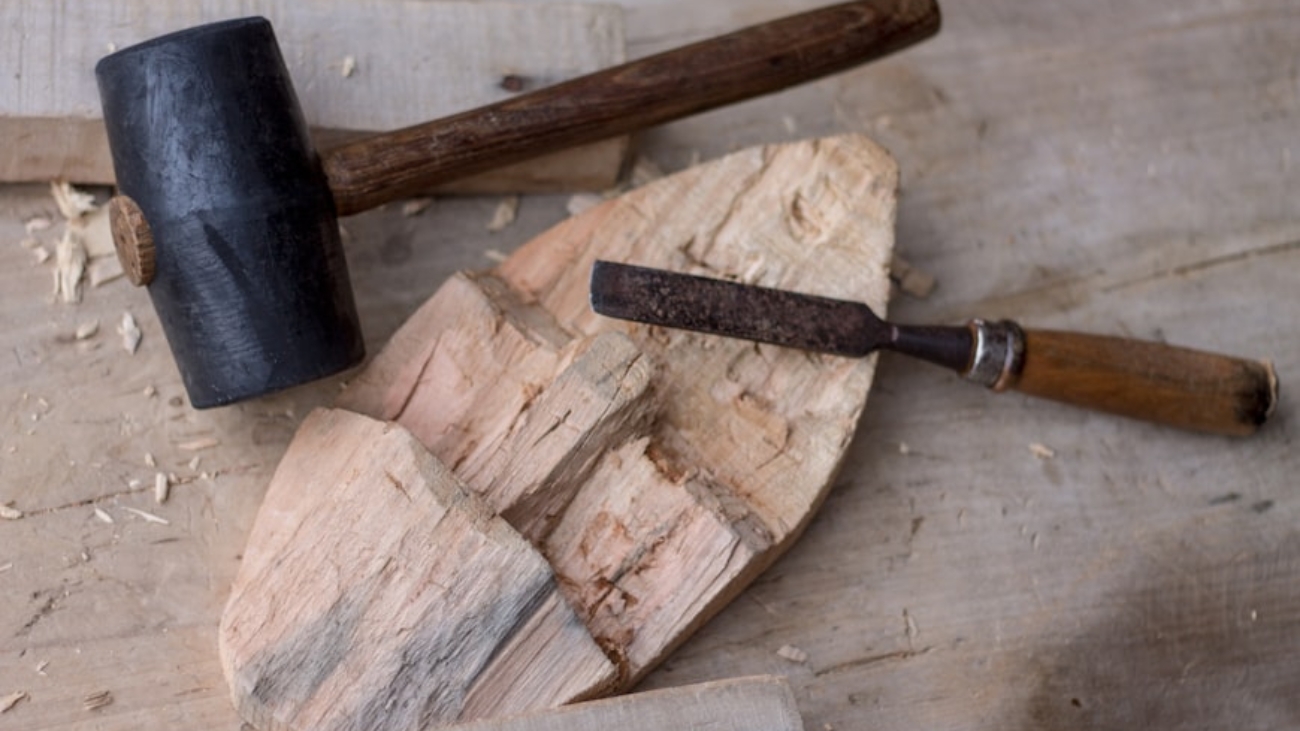
Kerala once possessed one of the world’s most sophisticated wood-based knowledge systems. From temple architecture to ancestral homes, from boat-building to intricate carving, from traditional furniture to ritual artefacts, the state developed an extraordinary mastery over hardwoods sourced from the Western Ghats—teak, rosewood, jackwood, anjili, vengai, and other species that were renowned for durability and beauty. What Egyptians did with stone, what Japanese craftsmen did with cedar, what Scandinavians did with pine—Kerala achieved with its own forest timber. The precision of dovetail joints, the engineering of nalukettu roofing systems, the sculptural detail of koothambalams, and the longevity of wooden temples were not accidents but the result of a sophisticated ecosystem of carpenters, carvers, architects, guilds, and oral engineering traditions.
Yet despite this incomparable natural and cultural wealth, Kerala never commercialised its woodcraft or architectural knowledge on a global scale. While countries like Indonesia, Thailand, Japan, Norway, and India’s own Rajasthan branded their traditional crafts into export industries, Kerala let its heritage decline. The state that had the world’s best timber and craftsmen never built a global wooden craftsmanship economy. This lost opportunity is one of the great unspoken historical mistakes in Kerala’s development trajectory.
Kerala Vision 2047 must correct this—by reviving, modernising, digitising, and commercialising this craft heritage before it disappears completely.
The first part of the problem lies in the collapse of the ecosystem that once sustained woodcraft mastery. Earlier, Kerala’s temples, tharavads, palaces, and boats demanded specialised craftsmanship; today, RCC buildings, modular furniture, imported plywood, and steel roofing have replaced the cultural demand. Younger generations have left the craft due to low wages, inconsistent income, and lack of professional certification. The timber sources themselves have changed, with strict environmental regulations—necessary for conservation—limiting raw wood availability. Instead of adapting, the sector shrank. Knowledge once passed from master craftsmen to apprentices now survives only in fragments.
But scarcity should not be seen as a barrier—it should be seen as an opportunity to elevate Kerala’s woodwork into a premium, luxury, export-oriented craft and architecture sector. Countries with limited heritage timber—Japan with cedar, Finland with birch—have built billion-dollar industries around conscious, sustainable use. Kerala can do the same by transforming its woodcraft heritage into high-value global products, using sustainable plantations and engineered wood technologies.
A modern revival must begin with documentation and digitisation. Kerala’s traditional joinery systems, carpentry mathematics, roofing geometries, carving motifs, canoe engineering, and temple structural principles must be systematically captured, in 3D form, in digital libraries, in animation, in VR walkthroughs, and through interviews with surviving master craftsmen. This knowledge is not merely cultural—it is intellectual property that can power a new architectural and design movement.
The next step is establishing a Kerala School of Wood Architecture and Craftsmanship, a world-class institute that trains students in traditional techniques, modern engineering, sustainable forestry, CAD-based design, wood preservation technologies, prefabrication methods, and global craft markets. This institution must function like an IIT for wood—researching, innovating, preserving, and exporting Kerala’s architectural grammar.
Kerala must also build dedicated craft clusters in districts like Thrissur, Palakkad, Kottayam, and Kannur, where carpenters and artisans can access modern tools, laser cutters, drying kilns, CNC routers, design software, and finishing technologies. These clusters will create a hybrid craft ecosystem—traditional skill combined with digital precision. Export-ready furniture, architectural components, interior elements, sculpture panels, heritage-style pavilions, and wooden artefacts can be produced at global standards.
A crucial part of Vision 2047 is developing a sustainable timber economy. Kerala’s forests must remain protected, but private and cooperative plantations of fast-growing hardwoods—teak, mahogany, anjili—must be expanded. Engineered wood such as cross-laminated timber (CLT), glulam beams, and laminated veneer lumber can reduce pressure on natural forests while allowing Kerala to build world-class wooden structures. The world is moving toward carbon-neutral construction, and wooden architecture is becoming a global solution. Kerala—once the global capital of wooden construction—can re-enter this space through innovation.
Another dimension is export branding. Kerala’s heritage can be positioned as a global luxury label: “Kerala Hand-Carved,” “Malabar Teak Craft,” “Western Ghats Heritage Woodwork,” “Nalukettu Design Collection.” Just as Italian furniture or Japanese joinery commands premium prices, Kerala can build a luxury craft brand rooted in authenticity, sustainability, and design excellence. High-end markets in Europe, the Middle East, the US, and East Asia value craftsmanship deeply; Kerala products can occupy this niche if branded and marketed correctly.
Tourism can become a major vehicle for revival. Imagine curated experiences where visitors watch craftsmen carve temple doors, learn traditional joinery, participate in boat-building sessions, or help build miniature nalukettu models. Artisan villages, architectural museums, and craft residencies can become cultural attractions. International workshops can bring architects from the world to learn Kerala’s style.
Kerala must also integrate woodcraft into modern urban development. New public buildings—libraries, community centres, panchayat offices, tourism hubs—can incorporate wooden facades, interior paneling, traditional arches, and courtyard-style ventilation. Cities like Kochi and Trivandrum can build signature wooden pavilions and waterfront structures that reclaim Kerala’s architectural identity. When the government becomes a customer, the craft ecosystem stabilises.
Meanwhile, digital commerce can take Kerala crafts global. Export platforms showcasing certified artisans, virtual showrooms with 3D models, custom-order interfaces, and NFT-style certificates of authenticity can create trust in global buyers. Kerala must build a global e-commerce platform exclusively for traditional crafts, powered by logistics partnerships and digital marketing.
A major missing piece must be addressed: craftsmen dignity and income. By 2047, Kerala must ensure that woodcarving is a respected, well-paid profession. This requires minimum wages for craftspeople, social security, insurance, pension benefits, and recognition programmes that elevate artisans as cultural leaders. Young people will return to the craft only if the craft offers career stability and economic reward.
Kerala Vision 2047 should also explore international architectural collaborations. Kerala-style wooden structures can be exported as modular components for eco-resorts, homestays, meditation centres, boutique hotels, and cultural institutions abroad. Architectural firms in Japan, Germany, Singapore, and the Gulf can integrate Kerala joinery techniques into their projects if provided with certified structural designs and prefabricated wooden units.
In the long term, Kerala must aim to become the global capital of tropical wooden architecture—a place where ancient heritage meets sustainable modern engineering. A state that exports not just furniture or carvings, but knowledge, styles, techniques, and prefabricated structures. A state that revives the wooden temples, nalukettus, boats, and palaces of its past as sources of future prosperity.
By 2047, Kerala can correct its historical mistake by:
Reviving lost knowledge,
Training new generations,
Building modern craft industries,
Creating global brands,
Ensuring sustainability,
And giving craftsmen dignity and opportunity.
The world is moving toward natural materials, cultural authenticity, and sustainable architecture. Kerala once led this world. Kerala can lead again—if it chooses to reclaim the strength it ignored for too long.
