
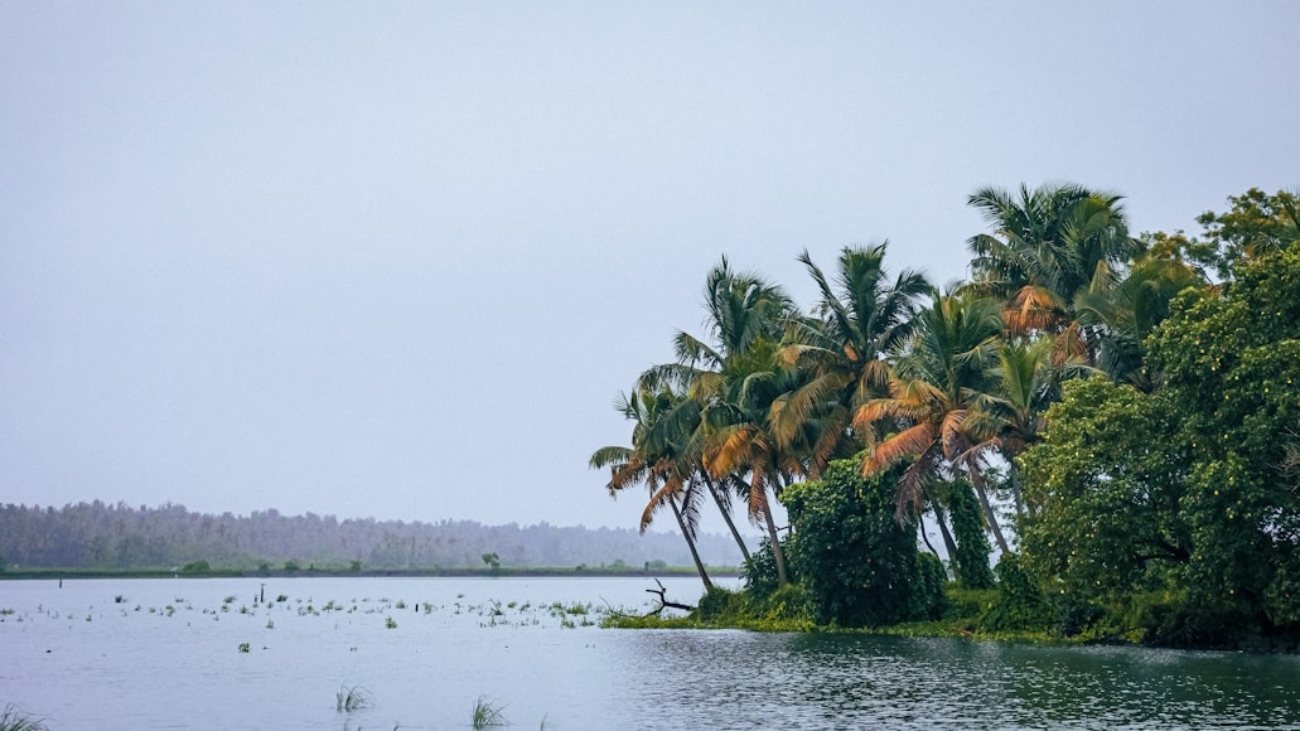
Ashtamudi Lake, the gateway to Kerala’s backwaters and a designated Ramsar site, is far more than a scenic waterbody. It is a living ecological engine, a cultural landscape, and an untapped centre of biological wealth. Its eight arms stretch across Kollam like a natural mandala, connecting rivers, canals, mangroves, estuaries, and coastal waters. It sustains thousands of fisherfolk, supports globally renowned clam fisheries, harbours unique flora and fauna, shapes the identity of Kollam city, and influences the region’s microclimate. Yet, despite its enormous ecological and economic importance, Ashtamudi has never been studied, structured, or commercialised with the seriousness it deserves. Much of its potential remains dormant, limited by fragmented governance, pollution, unchecked tourism, and lack of scientific attention.
Kerala Vision 2047 must reimagine Ashtamudi Lake as a world-class ecological asset—one that combines sustainable economic use, biodiversity conservation, cultural revival, and scientific innovation. The lake must evolve from being a passive natural attraction to becoming an active driver of Kerala’s development, similar to how the Great Lakes shaped North America or how the Baltic waterways shaped Northern Europe.
A starting point is the recognition of Ashtamudi’s biological richness. The lake is home to mangrove forests, brackish-water species, migratory birds, and endemic aquatic organisms. It sustains the second-largest short-neck clam fishery in India, now certified by the Marine Stewardship Council—a rare global recognition for sustainable fishing. Its waters host over a hundred species of fish, making it a crucial breeding and nursery habitat for Kerala’s coastline. The estuarine nature of the lake creates unique nutrient cycles that support life forms found nowhere else in the state. Yet, scientific mapping of its biodiversity is incomplete. By 2047, Kerala must establish a dedicated Ashtamudi Biodiversity Institute that documents species, monitors ecological changes, and collaborates with global research organisations. This institute can lead studies on estuarine ecology, mangrove regeneration, invasive species control, and climate impacts on brackish ecosystems.
The economic potential of Ashtamudi has not been fully harnessed. The clam industry could be expanded through value-added products—clam powder, canned clams, frozen fillets, shell-derived calcium supplements, and nutraceutical extracts. A processing cluster on the lake’s shore can create hundreds of jobs and raise incomes for fishing communities. The lake’s fish diversity supports artisanal fisheries that can be modernised with cold-chain facilities, sustainable gear, digital marketplaces, and branding initiatives. Ashtamudi-sourced seafood can be positioned as a premium, traceable, sustainable product for global markets. By 2047, Kollam can become a seafood export hub built around lake-based value chains.
Another major opportunity lies in sustainable tourism. Ashtamudi is visually stunning, but much of its tourism remains unstructured. Houseboats operate without environmental guidelines, pollution levels fluctuate, and cultural experiences are not curated. Kerala Vision 2047 must transform Ashtamudi into a model for eco-tourism. Silent electric boats, solar-powered ferries, guided biodiversity trails, mangrove walks, birdwatching decks, and lake-based cultural circuits can create immersive experiences. Village clusters along the lake can host homestays where visitors learn clam harvesting, coir making, coconut crafts, and traditional fishing techniques. These experiences generate income while protecting ecological balance.
Culturally, Ashtamudi is a living memory of Kollam’s maritime heritage. It was once one of Kerala’s major port zones, linked to ancient trade with China, Arabia, and Europe. Its shores hosted historic settlements, boat-building yards, and trading houses. This heritage deserves rediscovery. A Lake Heritage Museum can showcase this maritime story through artefacts, oral histories, boat replicas, and interactive exhibits. Cultural festivals along the lake—celebrating music, cuisine, craft, and boat traditions—can elevate Kollam’s identity. The lake can even become the centre of an annual international water festival that blends sport, culture, and ecology.
A core dimension of Ashtamudi’s future is ecological restoration. Pollution from urban runoff, plastic waste, sewage, and industrial discharge continues to threaten the lake. Uncontrolled sand mining disrupts hydrology. Shrinking mangroves reduce fish breeding grounds. By 2047, Kerala must implement a strict Ashtamudi Conservation Plan that includes lake cleanup drives, decentralised wastewater treatment, mangrove restoration, shoreline protection, and strict monitoring of effluent sources. Advanced technologies such as floating wetlands, bio-remediation systems, and sediment analysis tools should be deployed. A healthy lake is the foundation of every economic vision.
Another important opportunity lies in bio-prospecting. Ashtamudi’s mangroves and estuarine plants contain compounds valuable in pharmaceuticals, cosmetics, and nutraceuticals. Its microorganisms may hold potential for biotechnology research. Kerala must ensure ethical, community-owned bio-prospecting that protects intellectual rights while creating revenue streams for local communities.
Climate adaptation must also shape Ashtamudi’s future. Rising sea levels, unpredictable rainfall, and saline intrusion pose long-term risks. The lake must become a climate resilience laboratory where Kerala develops early-warning systems, flood modelling tools, and wetland-based buffers. The mangroves can act as carbon sinks and natural shields against storms. By studying Ashtamudi’s natural processes, Kerala can design water management frameworks for coastal districts across the state.
The people of Ashtamudi—fisherfolk, boat workers, clam harvesters, coir artisans, coconut workers, and small traders—must be at the centre of every development model. Their knowledge of tides, seasons, fish behaviour, and lake ecology is unmatched. Vision 2047 must empower them through cooperatives, training programmes, market linkages, and community-led conservation. Ashtamudi can become a global example of how economic development and traditional livelihoods coexist.
Digital transformation is essential for the lake’s future. Satellite mapping can monitor pollution and encroachment. Sensor networks can track water quality in real time. Mobile apps can help fishermen navigate weather risks. QR-coded traceability can authenticate seafood origins. Virtual tours can attract global students and researchers. Digital branding can project Ashtamudi’s story worldwide.
By 2047, Kerala must position Ashtamudi as a unique global ecosystem—a living school of biodiversity, a centre for sustainable fishing, a cultural heritage zone, a climate research hub, and a premium tourism destination. The lake should not merely be preserved; it should be activated, studied, celebrated, and integrated into Kerala’s long-term economic and cultural strategy.
Ashtamudi carries within it the memory of ancient waters, the wisdom of generations, and the promise of a sustainable future. If Kerala learns to harness this extraordinary ecosystem with respect, science, and imagination, Ashtamudi can become one of the state’s greatest assets—an emblem of ecological beauty, cultural depth, and economic innovation.
