
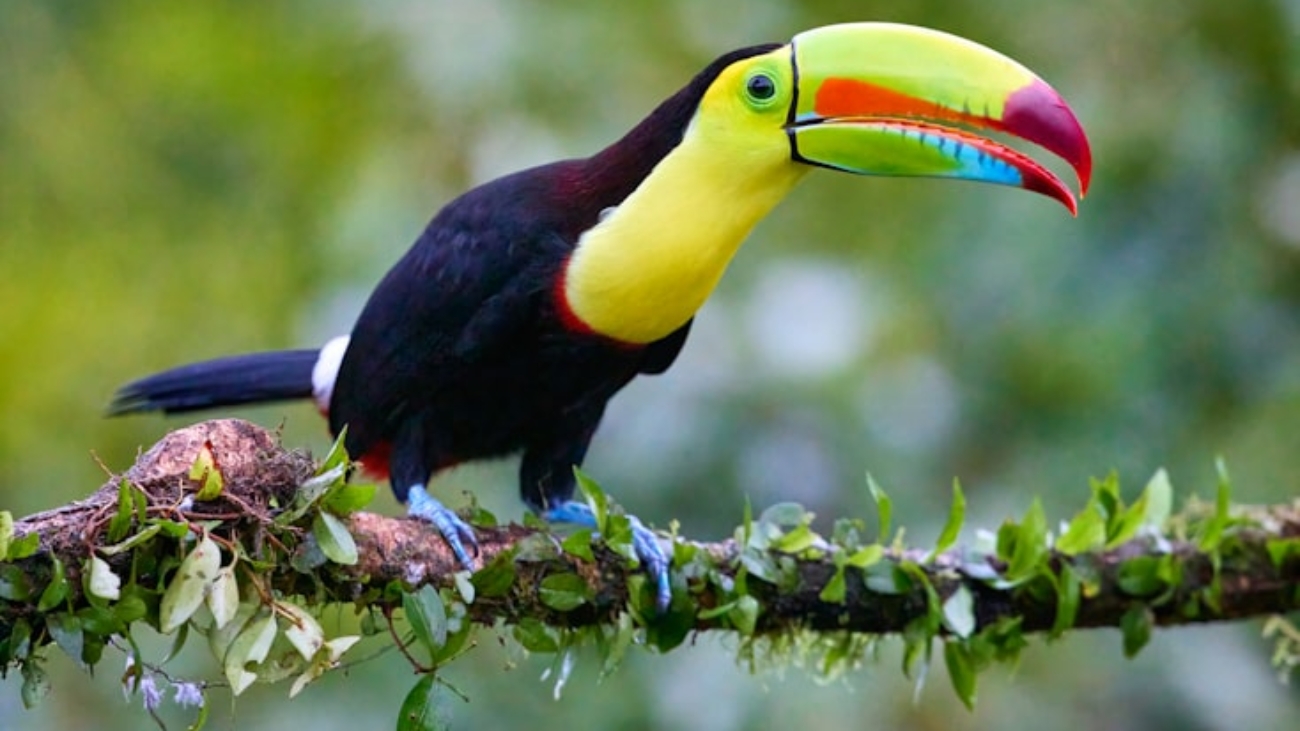
Kerala’s geography makes it one of the most remarkable bird habitats in India. From the Western Ghats to wetlands, from estuaries to mangroves, from paddy fields to backwaters, Kerala offers an extraordinary mosaic of ecosystems that attract hundreds of native and migratory bird species every year. The state sits on a major migratory route that connects Siberia, Central Asia, Europe, and Africa with the tropical world. Birds travel thousands of kilometres to reach Kerala’s warm wetlands, silent forests, and nutrient-rich coasts. This is not merely a biological phenomenon; it is a cultural inheritance, an ecological opportunity, and a global identity waiting to be shaped. Yet for decades, this treasure has remained under-recognised and under-utilised. Kerala Vision 2047 must therefore imagine a future where birds become an integral part of Kerala’s ecological planning, tourism identity, scientific research, and cultural revival.
The first step is recognising birds not only as species of nature but as storytellers of ecosystems. The arrival of the Siberian winter visitors signals the changing seasons; the movement of herons and egrets reveals the health of paddy fields; the calls of hornbills mark the vitality of evergreen forests; the patterns of kingfishers reflect the condition of backwaters; the return of shorebirds mirrors coastal productivity. Birds are ecological indicators, and their behaviour provides a window into Kerala’s environmental health. By 2047, Kerala must integrate bird populations into climate monitoring and ecological assessments, treating them as living sensors of biodiversity change.
Kerala’s bird diversity also offers cultural depth. Across generations, birds have shaped folklore, poetry, ritual symbolism, and seasonal rhythms. The koel announces summer, the crane appears in temple art, the cormorant shapes fishing practices, and the hornbill stands as a symbol of forest continuity. Vision 2047 must revive this cultural bond by placing birds at the centre of educational programs, festivals, art initiatives, and literary movements. Schools can adopt bird-based learning modules. Panchayats can create annual bird days. Local artists and writers can reinterpret Kerala’s bird lore for global audiences. Cultural tourism circuits can include birding poetry walks, painting workshops, and folklore evenings.
A major opportunity lies in transforming Kerala into a global birdwatching destination. Today, places like Thattekad, Kole wetlands, Kumarakom, Mangalavanam, Kadalundi, Silent Valley, and Periyar Tiger Reserve attract bird lovers, but the tourism ecosystem remains informal and underdeveloped. By 2047, Kerala can position itself alongside Costa Rica, Kenya, and Thailand as one of the world’s leading birding regions. Well-designed bird tourism circuits can connect hill ranges, rivers, wetlands, and coasts, offering immersive experiences that combine science, culture, and biodiversity. Birdwatching towers, silent boating zones, forest hides, photography trails, audio-guided bird calls, and eco-friendly homestays can create high-value tourism that respects ecology while generating local income.
To elevate bird tourism, Kerala must train a new generation of guides who understand ornithology, ecology, storytelling, and hospitality. These guides can be drawn from local youth, tribal communities, and amateur birdwatchers. With proper training, they can become cultural ambassadors who help visitors understand the deeper ecological and cultural context of each species. This approach empowers communities while preserving knowledge systems.
Kerala’s wetlands are especially important for migratory birds. The Kole wetlands in Thrissur and Malappuram, the Kuttanad marshes, Ashtamudi Lake, and Vellayani and Sasthamkotta lakes serve as seasonal homes for flocks that journey from distant continents. These wetlands must be protected not just as water bodies but as dynamic bird landscapes. Vision 2047 should establish an integrated wetland monitoring system using drones, satellite data, sensor networks, and community observers. This ensures habitat protection, prevents encroachment, and maintains food availability for migratory species.
The Western Ghats, one of the world’s biodiversity hotspots, play a crucial role in sustaining native species like the Great Indian Hornbill, Nilgiri Wood Pigeon, Malabar Trogon, and numerous endemic flycatchers and warblers. Protecting these habitats is essential for preserving Kerala’s cultural and ecological identity. Vision 2047 must include strict conservation of forest corridors, sustainable tourism practices, and community-led forest stewardship. Tribal communities, who possess intimate knowledge of forest birds, must be central partners in conservation efforts.
Another powerful opportunity lies in scientific research. Kerala can establish a global bird research centre that studies migration patterns, climate impacts, habitat changes, and species behaviour. Collaborations with international ornithology institutes can generate knowledge that benefits global conservation. Tracking migratory birds using satellite tags or microchips can place Kerala on the global research map. The state can become a data hub for studying how climate change affects bird movement across continents.
Kerala also has the opportunity to promote bird-friendly agriculture. Many native birds depend on traditional paddy fields, coconut groves, and agroforestry landscapes. As monoculture expands and pesticides increase, bird habitats shrink. By 2047, Kerala must incentivise farmers to adopt bird-friendly farming practices such as maintaining tree patches, using organic pest control, ensuring water availability, and protecting nesting zones. These practices improve soil health, reduce input costs, and contribute to ecological balance.
Urban areas too must be reimagined with birds in mind. Cities like Kochi, Thiruvananthapuram, and Kozhikode can create bird corridors through urban wetlands, green roofs, canal restoration, and mangrove planting. Noise reduction zones near key habitats and pollution control measures around lakes and backwaters will improve breeding success. Public parks with bird interpretation centres can inspire urban residents to become guardians of local biodiversity.
A major challenge is habitat degradation caused by construction, pollution, and climate change. Vision 2047 must enforce strict ecological zoning around critical bird habitats. Wetlands should be legally protected. Forest edges must be buffered. Coastal mudflats must be preserved. Without habitat protection, Kerala’s bird diversity will decline rapidly. The state must adopt long-term restoration projects that revive grasslands, mangroves, and riverine ecosystems.
Birds also offer powerful branding potential. Just as New Zealand promotes the kiwi and Costa Rica promotes the quetzal, Kerala can promote the hornbill, the darter, or migratory ducks as symbols of ecological identity. Bird-based branding can enrich tourism campaigns, educational content, and public awareness initiatives.
Economically, bird-linked activities such as guided tours, photography circuits, scientific tourism, conservation volunteering, and eco-resorts can generate significant revenue without damaging ecosystems. Bird-themed festivals can attract global participants. Film-makers and researchers can bring international visibility. A thriving bird economy is both sustainable and culturally enriching.
By 2047, Kerala must build a bird culture—where children grow up knowing bird calls, where communities participate in annual bird counts, where wetlands are seen as sacred ecological assets, and where tourism is shaped by respect for nature. Birds become a mirror of Kerala’s environmental health, a symbol of its cultural sensitivity, and a force for economic growth.
If Kerala can protect and celebrate its avian wealth, the state will not only preserve a living heritage but also illuminate a new path for ecological and cultural prosperity. A land where migratory birds arrive every year is a land that has kept its ecological promises. A land that nurtures bird diversity becomes a land admired globally. Kerala Vision 2047 must ensure that birds remain part of Kerala’s sky, culture, and imagination for generations to come.
