
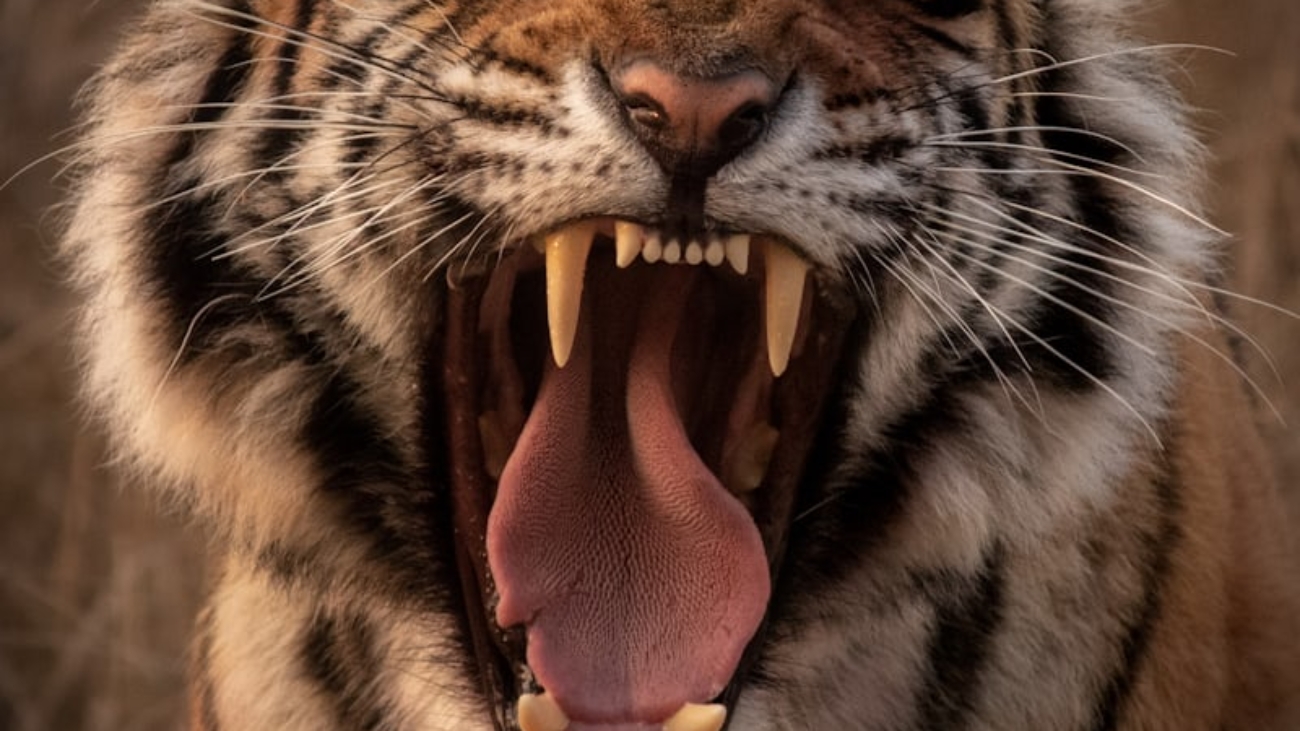
Kerala Vision 2047 must place its tiger population at the heart of a deeper ecological, cultural, and scientific commitment to the Western Ghats. Tigers are not just apex predators; they are living symbols of the health of an entire ecosystem. When tigers thrive, forests thrive. When forests thrive, rivers flow, rainfall stabilises, carbon is stored, biodiversity flourishes, and rural communities prosper. Kerala’s tiger reserves—Periyar, Parambikulam, Wayanad, and Silent Valley landscapes—represent some of the richest remaining habitats for tigers in India. Yet, despite significant conservation progress, the state has not fully leveraged the tiger’s ecological power, cultural resonance, or global visibility to build long-term prosperity. Kerala Vision 2047 must therefore imagine a future in which tiger conservation is not merely an environmental programme but a developmental strategy that integrates science, community partnership, climate resilience, and global leadership.
The first part of this vision is strengthening the ecological foundations of tiger habitats. The Western Ghats are one of the world’s eight hottest biodiversity hotspots. They harbour not only tigers but elephants, leopards, dholes, gaur, hornbills, endemic birds, amphibians, orchids, and thousands of unique species. Tiger protection cannot be isolated from the ecosystem. It must include restoring degraded forest patches, connecting fragmented habitats through wildlife corridors, preventing encroachment, and maintaining prey density. By 2047, Kerala must ensure seamless forest connectivity between Periyar and Srivilliputtur, Wayanad and Bandipur–Nagarhole, Parambikulam and Anamalai, and Silent Valley and Nilgiri slopes. These ecological corridors will allow tigers to migrate, breed, and maintain genetic diversity without human-induced barriers.
Equally important is science-driven conservation. Kerala must invest in advanced monitoring—camera traps, drone-based surveillance, radio-collar tracking, genetic profiling of tiger populations, AI-driven movement prediction, and satellite mapping of habitat changes. These tools allow conservationists to detect threats early, understand tiger behaviour, track breeding patterns, and develop precise management strategies. Tiger population health must be monitored like a national asset. Kerala can also collaborate with global institutions studying big cat ecology, climate impacts on forests, and human–wildlife coexistence. A Kerala Centre for Tiger and Forest Science can become a global hub for research, training, and policy innovation.
Human–tiger conflict remains a delicate issue. As human settlements expand and forest edges shrink, encounters between tigers and people occasionally create fear and tension. Vision 2047 must commit to building a coexistence model that protects both lives and livelihoods. This requires early-warning systems in forest-edge villages, rapid-response teams to manage tiger movement, compensation mechanisms that are timely and fair, and community education that reduces fear through awareness. By integrating solar fencing, cattle insurance, night-time surveillance, and community-based reporting networks, Kerala can build trust with local communities while ensuring tiger safety.
Local communities must be seen not as obstacles but as partners. Many tribal groups and forest-edge populations possess deep knowledge of tiger behaviour, forest routes, and ecological patterns. They can become frontline conservation allies. Vision 2047 must train local youth as forest guides, ecological monitors, wildlife trackers, rescue volunteers, and community educators. Eco-development committees should be strengthened with financial incentives, sustainable livelihood options, and micro-enterprises built around conservation. Honey collection, bamboo craft, medicinal plant cultivation, eco-tourism, and organic farming can provide income while reducing pressure on forests. When communities benefit, tiger conservation becomes a shared mission rather than an external mandate.
Eco-tourism, if designed responsibly, can play a transformative role. Kerala’s tiger landscapes are among the most scenic in India—dense rainforests, mist-covered valleys, wild rivers, and rich flora. But tourism must never disturb tiger habitats. Vision 2047 must create low-impact, high-value tourism models. Guided interpretation walks, canopy trails, conservation-themed stays, forest museums, wildlife education centres, and curated experiences can attract global travellers. These visitors must come not to “spot a tiger” but to understand the ecosystem. Revenue from such eco-tourism can be reinvested in habitat restoration, scientific research, and community development.
Cultural imagination must also be part of the vision. Tigers have always occupied a powerful place in Kerala’s folklore, rituals, murals, and oral traditions. They symbolise strength, beauty, authority, and natural balance. Vision 2047 can revive cultural expressions related to the tiger—art exhibitions, film festivals, children’s books, storytelling programmes, and village cultural centres that teach ecological values through traditional narratives. When culture embraces conservation, the idea becomes emotionally rooted in society.
Climate resilience is a major backdrop to tiger protection. The Western Ghats regulate rainfall patterns for Kerala. Forest loss or degradation weakens this monsoon engine. Protecting tiger habitats therefore directly protects Kerala’s climate stability, water security, and disaster resilience. By 2047, Kerala must integrate tiger conservation with watershed protection, river rejuvenation, soil preservation, and carbon sequestration strategies. Tigers are not just wildlife; they are climate guardians. Highlighting this linkage can reshape public perception and attract climate finance from international bodies.
Economic opportunities can emerge from tiger conservation without commercialising the animal. Kerala can develop a green economy around tiger landscapes—research tourism, forest-based wellness centres, sustainable forest products, bio-learning camps, photography residencies, and biodiversity-inspired design industries. The tiger brand can represent Kerala’s commitment to ecological excellence, attracting global investors interested in sustainability, nature-based solutions, and ethical tourism.
Kerala must also safeguard tiger populations genetically. With climate change altering habitats, tigers will need resilient gene pools. Scientific breeding assessments, connectivity projects, and cross-reserve cooperation with neighbouring states can maintain genetic diversity. Periyar’s successful population can support genetic strengthening of smaller populations when required, following scientific guidance.
Education must anchor the long-term vision. By 2047, every schoolchild in Kerala should grow up learning about tiger ecology, forest systems, conservation ethics, and the Western Ghats’ global importance. Field trips, citizen science platforms, mobile apps for wildlife reporting, and youth ambassador programmes can cultivate ecological literacy from a young age. A society that understands forests will protect them.
Finally, governance must evolve. Conservation cannot succeed in silos. Kerala needs integrated river–forest–wildlife management, cross-department coordination, transparent data systems, and strong law enforcement against poaching, land encroachment, and illegal mining. The tiger must become a central indicator of environmental governance.
By 2047, Kerala can aim for a future where tiger numbers are stable and growing, habitats are protected and connected, communities are empowered and prosperous, and the Western Ghats shine as a global symbol of ecological leadership. A state that protects its tigers protects its soul. Kerala’s vision must honour this responsibility—not only for biodiversity but for the future of its climate, culture, and civilisation.
