
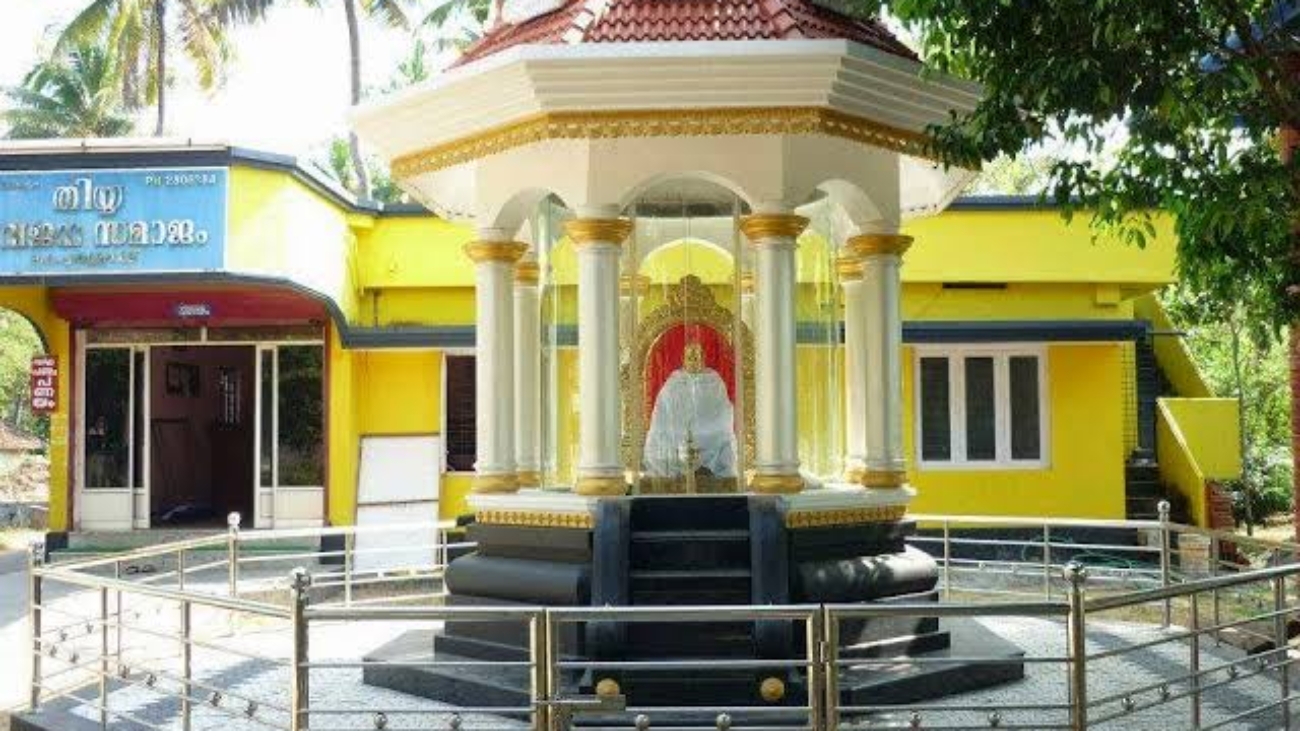
The Ezhava community has been one of the great engines of Kerala’s social, cultural, and economic transformation. Historically rooted in agriculture, traditional medicine, coconut-based industries, martial arts, and intellectual reform, the Ezhavas have played a central role in building modern Kerala. They shaped cooperative movements, nurtured entrepreneurship, carried the spirit of Sree Narayana Guru’s reformist wisdom, and contributed significantly to the state’s migration-driven global footprint. Yet despite remarkable progress, deep structural challenges remain: unequal access to new-age skills, declining traditional industries, land insecurity in some pockets, limited representation in high-value sectors, slow entry into elite institutions, and underutilisation of the community’s entrepreneurial strengths.
Kerala Vision 2047 must therefore craft a forward-looking roadmap that sees the Ezhava community not through the lens of old hierarchies or grievances, but as a modern collective with untapped potential in business, innovation, education, governance, and global networks. The goal is not token upliftment but structural advancement: a community fully equipped to shape Kerala’s future economy, culture, and knowledge systems.
The first element of this vision is educational transformation. While the Ezhava community has made enormous strides in literacy and schooling, representation in elite institutions remains lower than it should be relative to population share. By 2047, the community must build a strong pipeline into engineering, medicine, law, research, digital technologies, and global universities. This requires community-led scholarship funds, mentorship networks, residential coaching hubs, partnerships with diaspora professionals, and digital learning centres in semi-urban and rural areas. The aim is to normalise excellence—not as an exception but as a community expectation. Sree Narayana institutions, SNDP networks, and private philanthropists can play a transformative role by expanding access to high-quality education, particularly in emerging fields like AI, biotechnology, energy systems, design, and international relations.
The second pillar is entrepreneurship. Historically, the Ezhavas excelled in coconut industries, Ayurveda-based practices, toddy tapping, coir production, and martial arts schools. As these sectors decline or transform, a new entrepreneurial wave is needed—rooted in the same spirit of innovation and community enterprise. Kerala Vision 2047 must support Ezhava entrepreneurship in modern sectors: food processing, wellness products, eco-tourism, digital services, green technology, aquaculture, logistics, and export-driven manufacturing. Entrepreneur development centres can be established through SNDP unions and cooperative societies, offering incubation, credit support, export training, branding assistance, and mentorship from diaspora entrepreneurs. The community has historically succeeded when cooperative effort is combined with disciplined organisation; this strength can be harnessed for modern industries.
The third dimension involves expanding representation in government, administration, and policy leadership. Although the Ezhavas have had political visibility, administrative representation—particularly in IAS, IPS, IFS, and central government roles—remains limited. Vision 2047 must promote civil service preparation through community-led academies, leadership fellowships, and mentorship groups. A strong civil service presence ensures long-term structural influence, enabling the community to participate fully in governance and policy creation.
The fourth pillar is reviving cultural capital. The Ezhava community has deep cultural roots—Kalari, Ayurveda, palm-based crafts, Theyyam traditions in some regions, folk medicine, coastal livelihoods, and temple-related art forms. These cultural strengths are not just heritage but potential economic sectors. Kalari can be positioned globally as wellness martial arts for fitness and healing. Ayurveda knowledge, once practised widely in Ezhava households, can be modernised into certified health products, clinics, and global export brands. Coconut-based knowledge systems can be turned into premium value-added products: virgin oils, nutraceuticals, medicinal tonics, coir composites, eco-friendly packaging, and botanical cosmetics. Kerala Vision 2047 must convert cultural strengths into global economic advantages.
The fifth element focuses on land, livelihoods, and rural prosperity. Many Ezhava families remain tied to agriculture, fisheries, toddy-based livelihoods, and coastal occupations. These sectors are vulnerable to climate change, soil degradation, mechanisation, and market volatility. Vision 2047 must ensure long-term prosperity through modernisation: precision farming, high-value crops, cooperative farming clusters, cold-chain networks, fish hatcheries, inland aquaculture, and farmer–producer organisations. Toddy tapping knowledge can evolve into premium neera-based products, natural beverages, craft spirits, and health tonics. Coastal Ezhava communities must be empowered with modern fishing technologies, GPS systems, safety tools, and market linkages to reduce vulnerability and increase income stability.
Another major opportunity lies in global migration. The Ezhava community has a strong diaspora footprint across the Gulf, the UK, Australia, and other regions. Vision 2047 must leverage this global network for investment into Kerala-based startups, real estate, tourism, education, and cultural projects. Diaspora forums can serve as business councils, mentorship pools, and trade bridge platforms. Young members of the community must be encouraged to pursue global careers in emerging industries: cybersecurity, aviation, hospitality, digital finance, and healthcare management. Migration should not remain limited to low- and mid-skilled work but evolve into strategic global leadership.
Health and social well-being must also be central to the vision. Lifestyle diseases, mental health concerns, substance dependency in certain pockets, and ageing populations are emerging challenges. Community-level wellness programmes, counselling networks, preventive health centres, and digital medical tracking systems can strengthen long-term quality of life. The spiritual and moral guidance of Sree Narayana Guru must be revitalised—not as ritual symbolism but as a living philosophy promoting social harmony, self-respect, education, and economic independence.
A crucial dimension of 2047 planning is generational leadership. The Ezhava community must cultivate a new wave of thinkers, scholars, innovators, policymakers, artists, and social reformers who can reinterpret Guru’s messages for the digital era. Youth leadership councils, debate clubs, global exchange programmes, and community media platforms can give young voices visibility and influence.
The community must also address internal class differences. Not all Ezhava families have benefited equally from Kerala’s reforms. Vision 2047 must include targeted support for the most marginalised subgroups—fisherfolk, rural labourers, toddy tappers in decline, small-scale farmers, and informal workers. True empowerment means uplifting the entire community, not only those already integrated into middle-class structures.
Kerala Vision 2047 must therefore see the Ezhava community as a cornerstone of Kerala’s future. A community that once fought for dignity and equality must now fight for excellence, innovation, global presence, and cultural leadership. By focusing on high-quality education, entrepreneurship, administrative representation, cultural revival, scientific modernisation, and diaspora engagement, the Ezhava community can become one of the most dynamic social groups in India by 2047.
A prosperous Ezhava community strengthens Kerala as a whole. A community rooted in Guru’s message—“gain freedom through education and upliftment through industry”—can become a global example of how cultural identity, social reform, and economic ambition can merge to create enduring progress.
