
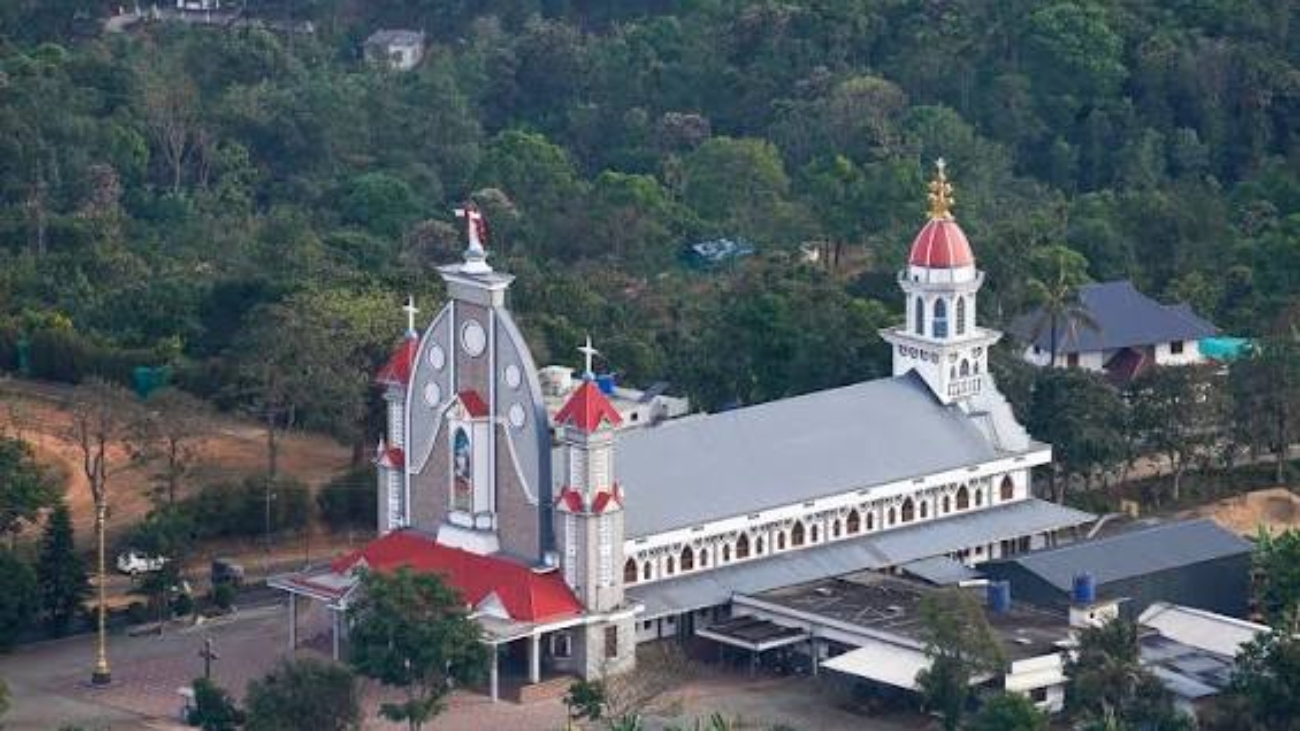
The Orthodox Christian community of Kerala stands as one of the oldest Christian traditions in the world, rooted in apostolic heritage, Syriac liturgy, and a deep cultural memory stretching back nearly two millennia. The community has shaped Kerala’s identity through its churches, educational institutions, healthcare systems, monastic traditions, philanthropic initiatives, and intellectual contributions. Yet, as Kerala moves toward 2047, the Orthodox community faces a unique set of challenges: migration-driven demographic shifts, declining birth rates, economic pressure on middle-class families, fragmentation of traditional livelihoods, and generational disconnect with heritage. At the same time, the community possesses enormous strengths—global networks, disciplined institutions, property assets, educational excellence, and a rich spiritual tradition. Kerala Vision 2047 must build upon these strengths to create a future where the Orthodox community thrives as a cultural, economic, and intellectual force.
The first dimension of this vision is educational leadership. Historically, Orthodox institutions have maintained high standards in schooling and collegiate education. Yet the community must now prepare youth for global competitiveness. By 2047, Orthodox educational networks must specialise in next-generation fields such as AI, biomedical research, climate science, cybersecurity, aerospace engineering, and advanced manufacturing. Schools should integrate digital learning platforms, coding labs, and research clubs. Colleges must build research partnerships with global universities, while parishes can run weekend mentorship networks where professionals guide students in career planning, civil service preparation, and international admissions. A renewed emphasis on academic excellence, rooted in community-wide effort, can create an educated generation prepared for global leadership.
The second dimension is economic empowerment. The Orthodox community includes a large professional middle class but needs greater representation in entrepreneurship, industry, and global business. Orthodox youth often excel in engineering, medicine, and IT, but do not always become founders or innovators. Vision 2047 should promote business incubation centres within diocesan structures and community colleges, fostering startups in sectors like renewable energy, healthcare innovation, logistics, agri-tech, and digital services. Orthodox entrepreneurs can form cooperative investment networks that support early-stage ventures, while diaspora members can serve as advisors, investors, and business connectors in regions like the Gulf, North America, Europe, and Australia. By 2047, the community must aim not only to excel academically but to shape Kerala’s economic landscape through enterprise.
Migration plays a major role in the community’s life. Orthodox families have a strong presence in the Gulf, the United States, Canada, Germany, and Australia. Remittances have supported Kerala’s economy for decades, but migration patterns are changing as automation and AI reshape global labour markets. The Orthodox diaspora must therefore shift from wage-based migration to skill- and innovation-led global mobility. This means training the next generation for emerging job categories—healthcare management, robotics maintenance, renewable energy engineering, digital architecture, biotech consultancy, maritime logistics, and AI-driven analytics. The diaspora must also become a strategic resource for Kerala, investing in community infrastructure, educational scholarships, research centres, and long-term wealth creation rather than short-term consumption.
A central element of Vision 2047 is the revival of cultural and spiritual identity. Orthodox spirituality, with its Syriac chants, ancient liturgy, iconography, fasting traditions, and monastic wisdom, represents an extraordinary heritage not fully appreciated even within the community. As younger generations become global citizens, there is a risk of cultural dilution. By 2047, the community must create structured cultural education pathways—language classes in Syriac and Malayalam, heritage workshops, liturgical music academies, digital archives of manuscripts, and youth pilgrimages to historically significant churches. Digital platforms can make the community’s spiritual wealth accessible globally, allowing Orthodoxy in Kerala to remain rooted yet forward-looking. Cultural literacy strengthens psychological confidence and continuity across generations.
The community must also focus on social welfare. Orthodox parishes historically cared for the poor, sick, elderly, and vulnerable. Today, many elderly community members live alone due to migration, facing loneliness and financial insecurity. Vision 2047 should establish parish-based eldercare systems, telemedicine services, psychological counselling centres, and community kitchens. Welfare must be modernised with data-driven tracking, technology-enabled outreach, and trained volunteers. Supporting vulnerable groups strengthens community cohesion and reflects the spiritual values Orthodoxy upholds.
A major challenge facing the Orthodox community is declining birth rates and shrinking family sizes. By 2047, the community must confront this demographic reality with supportive family policies—childcare cooperatives, parenting workshops, fertility support networks, and financial assistance for young families. The community must cultivate environments where families feel secure and encouraged to grow. A stable demographic base ensures long-term cultural and institutional continuity.
Leadership formation is another pillar. The Orthodox community must prepare a new generation of thinkers, administrators, theologians, diplomats, scholars, entrepreneurs, and public servants. Community institutions can launch leadership academies offering training in ethics, public speaking, policy analysis, entrepreneurship, and social service. Young leaders must be encouraged to enter civil services, academia, global diplomacy, climate governance, and faith-based international platforms. Strong leadership ensures the community’s voice remains influential and respected.
Land and property assets must also be utilised more strategically. Many parishes possess prime land that could host schools, advanced healthcare facilities, research centres, renewable energy farms, community housing, and cultural museums. By 2047, unused land should be converted into productive assets that generate revenue while serving community needs.
The community’s healthcare expertise is another major strength. Orthodox hospitals and medical institutions can evolve into super-specialty hubs, research centres, telemedicine networks, and medical training academies for global students. The community can lead Kerala’s healthcare innovation by investing in mental health, geriatric care, chronic disease management, and medical technology startups.
Finally, the Orthodox community must adopt a mindset of collaboration. Prosperity in 2047 will require partnerships between parishes, dioceses, educational institutions, diaspora groups, business leaders, youth organisations, and government bodies. A unified development council can coordinate long-term planning, research, data-driven decision-making, and community investment.
If Kerala Vision 2047 is executed with ambition, the Orthodox community can emerge as one of the most dynamic intellectual and economic communities in South India—deeply rooted in heritage yet fully integrated into the global future.
A prosperous Orthodox community strengthens Kerala’s diversity, deepens its cultural richness, and elevates its global standing. By blending tradition with innovation, faith with progress, and community strength with global networks, the Orthodox community can move confidently towards 2047 as a pillar of Kerala’s growth and stability.
