
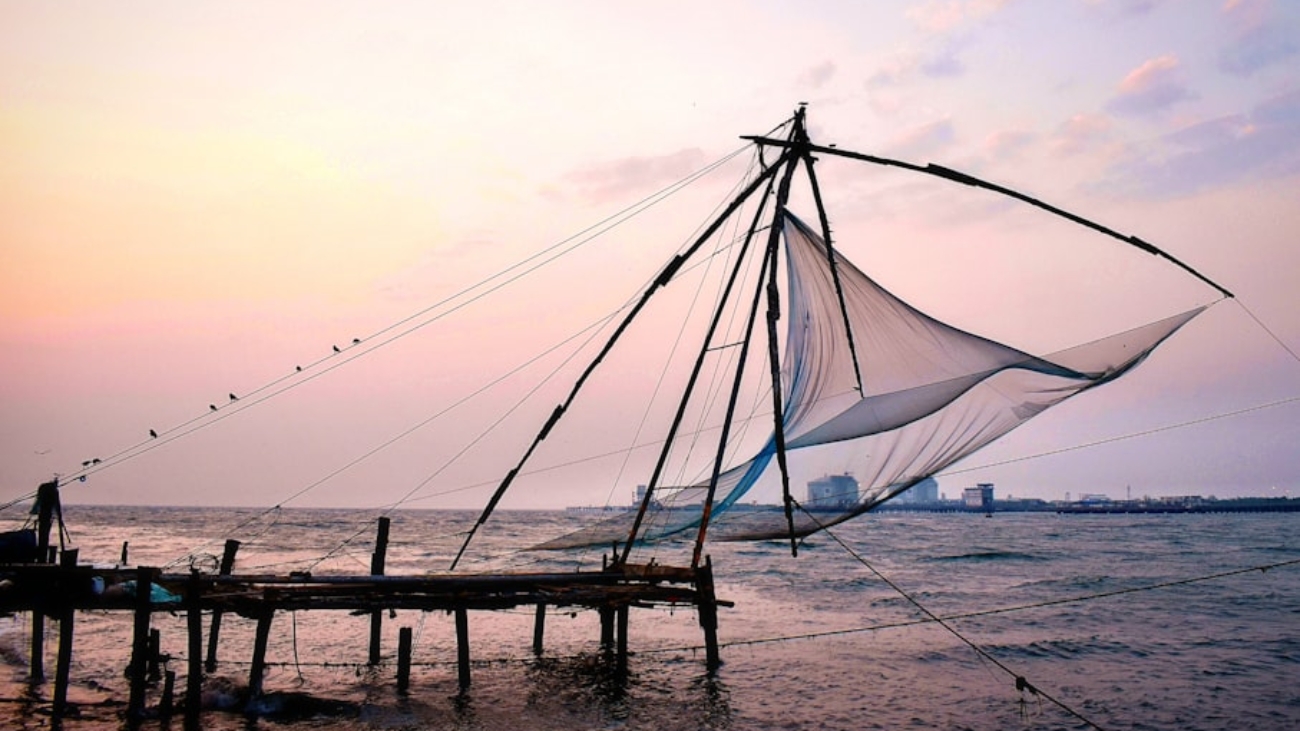
Kochi is often described as Kerala’s window to the world—a port city shaped by global trade, colonial encounters, maritime networks, and modern infrastructure. Yet, just a few kilometres from the shining IT parks, luxury hotels, and container terminals lie Kochi’s islands: Vypin, Cherai, Vallarpadam, Bolgatty, Mattancherry, Fort Kochi, Mulavukad, and several smaller clusters. These islands, rich in culture, history, and biodiversity, remain partially disconnected from the mainstream economic engine of Kochi. They carry a dual legacy: immense potential and long-standing neglect. Kerala Vision 2047 must place these islands at the centre of a transformative agenda, turning them from peripheral settlements into fully integrated nodes of economic growth, tourism, logistics, culture, and urban development.
The first step is understanding why the islands remain economically marginal. Their geographical separation, limited road connectivity, vulnerability to tidal flooding, irregular ferry services, and lack of large-scale infrastructure have long constrained economic mobility. Most island residents depend on fishing, small-scale trade, coir work, and tourism, sectors vulnerable to climate stress and market fluctuations. The result is islands rich in natural and cultural capital but unable to access the scale and opportunity that mainland Kochi enjoys. A city cannot achieve its full economic potential if its islands remain structurally disconnected.
Vision 2047 begins by re-engineering physical connectivity. While bridges have improved access to Vallarpadam and Bolgatty, other islands still depend heavily on ferries. A comprehensive water-mobility network must be developed—high-frequency electric ferries, modern jetty terminals, night-navigation safety systems, and direct connections between Vypin–Marine Drive, Cherai–Fort Kochi, Mattancherry–InfoPark, and Mulavukad–Airport Road. Water transport should become Kochi’s parallel metro, reducing travel time and creating seamless economic movement. Roads within the islands must be raised, climate-proofed, and integrated into a broader mobility corridor that connects fishing villages, heritage zones, markets, and tourism areas.
Economic integration requires the islands to specialise in sectors that align with their cultural, geographic, and ecological strengths. Vypin and Cherai, with their long coastlines and beaches, can evolve into high-value tourism zones. Today they attract domestic visitors, but with structured development—beachfront promenades, boutique resorts, heritage homestays, seafood corridors, safe swimming zones, and curated water-sport facilities—they can compete with global coastal destinations. Responsible tourism models must ensure that local communities benefit through employment, small businesses, and cultural programming.
Mattancherry and Fort Kochi have a different identity—antique markets, spice warehouses, Jewish heritage, colonial buildings, and a global artistic reputation. Yet many of these areas face infrastructural deterioration, congestion, and underinvestment. Vision 2047 must reimagine these islands as world-class cultural districts: restored heritage streets, pedestrian-only cultural lanes, museums, craft clusters, art galleries, literary festivals, spice heritage trails, and docking points for cruise tourism. Special zoning rules can protect historic architecture while enabling economic growth. The Biennale energy must translate into year-round cultural activity.
Mulavukad and the islands near Vallarpadam have strategic potential due to proximity to the International Container Transshipment Terminal. These islands can become logistics hubs, maritime training centres, and small-scale industrial clusters supporting ship repair, marine engineering, and port operations. This creates skilled jobs and aligns the islands with Kochi’s maritime future. Training centres for coastal youth in navigation, ship maintenance, logistics management, and port services can connect island residents directly to global shipping careers.
Fisheries remain the backbone of many island communities. But traditional fishing is increasingly threatened by climate change, coastal erosion, fuel costs, and declining fish stocks. Vision 2047 must modernise the sector: GPS-enabled boats, solar-powered cold storage, modern fish landing centres, hygienic processing units, digital fish markets, and direct-to-consumer online sales platforms. Island cooperatives can lead the shift to high-value aquaculture—mussel farming, oyster cultivation, crab fattening, and seaweed farming—all perfectly suited to Kochi’s waters. These sectors can generate steady income while reducing dependency on volatile marine catches.
Climate resilience is fundamental. Kochi’s islands face rising sea levels, saline intrusion, and periodic flooding. Vision 2047 must create a coastal climate buffer: mangrove regeneration, tidal embankments, eco-friendly flood barriers, raised housing models, and early-warning systems. Urban planning must ensure that new construction follows climate-resilient guidelines. Without climate preparedness, economic development will remain fragile.
Digital integration is equally essential. Many island communities still lack access to high-quality digital infrastructure. By 2047, every island must be fibre-connected, enabling online education, e-commerce, telemedicine, and remote work. This reduces travel constraints and opens new income pathways. Digital literacy hubs can train youth in IT, online services, language skills, and gig-economy opportunities. Kochi’s tech parks can create satellite co-working spaces within the islands, enabling collaboration and creating jobs closer to home.
Housing and quality of life improvements must accompany economic growth. Clean drinking water, efficient waste management, modern sanitation systems, community clinics, and safe public spaces must be systematically developed. Islands should not be treated as tourist spectacles while residents struggle with basic infrastructure. Development must be deeply human-centred.
Cultural identity must also be preserved and strengthened. Each island carries its own micro-culture—fishing traditions, boat-making craftsmanship, Catholic and Latin Christian heritage, synagogue history, migrant stories, and unique cuisine. Vision 2047 must support cultural archiving, craft training, festival promotion, and culinary branding. A “Kochi Islands Cultural Circuit” connecting diverse communities can become a major global attraction.
Crucially, governance must evolve. Island development authorities with local representation can coordinate infrastructure, tourism, fisheries, and climate policies. Policies that protect local livelihoods, prevent displacement, and ensure equitable development are essential. Communities must remain partners—not spectators—of development.
By 2047, Kochi’s islands must be reborn as interconnected, climate-resilient, culturally vibrant, economically productive zones fully woven into the city’s growth. They should no longer be appendages, but power centres—driving tourism, maritime industries, cultural commerce, and sustainable urban living.
If Kerala embraces this vision, Vypin will stand as a world-class beach district, Cherai as a premium coastal tourism hub, Mattancherry as a global heritage quarter, Mulavukad as a maritime economy zone, and Fort Kochi as a cultural capital of South Asia. Together, these islands can transform Kochi into a multi-centred metropolitan ecosystem, balanced between history and innovation, land and water, humanity and progress.
A thriving Kochi must include its islands—not as distant spaces, but as its beating heart.
