
Kerala Vision 2047 must address a quiet but deeply consequential issue: the way Kerala’s youth often become absorbed into intense political ideologies during their formative years, sometimes at the cost of academic excellence, professional development, and long-term personal growth. Kerala’s political culture has historically encouraged debate, activism, and social consciousness. This is a strength. But for a significant section of young people, political engagement becomes disproportionate, consuming precious time, shaping identity too early, and diverting energy away from skill-building and intellectual depth. By 2047, Kerala must strive for a balance where political awareness strengthens citizenship without derailing careers or academic achievement.
The roots of youth political over-absorption lie in multiple layers. Kerala’s campus environment has been politically charged for decades, producing some of India’s most articulate leaders. But over time, organisational rivalries, ideological competition, and campus-level mobilisation created a culture where political identity often overshadowed academic curiosity. Many students feel compelled to join political groups not because of deep ideological conviction, but because of peer influence, social belonging, or fear of missing out on campus power dynamics. For others, political participation provides emotional purpose, recognition, or escape from academic pressures. The challenge is not political interest—this is healthy—but the absence of boundaries.
Kerala Vision 2047 requires a fundamental shift in how politics and youth development coexist. The first step is modernising the role of student organisations. Instead of emphasising confrontation, power-play, and symbolic protests, student groups must be encouraged to function as training grounds for policy analysis, leadership skills, public reasoning, and community service. Their activities should revolve around problem-solving rather than identity aggression. Political parties too must evolve in how they engage with youth. Rather than recruiting them into ideological battles, they must create youth wings focused on training in public administration, ethical governance, climate planning, digital literacy, and economic policy. If parties want long-term leadership, they must invest in developing young minds, not exhausting them.
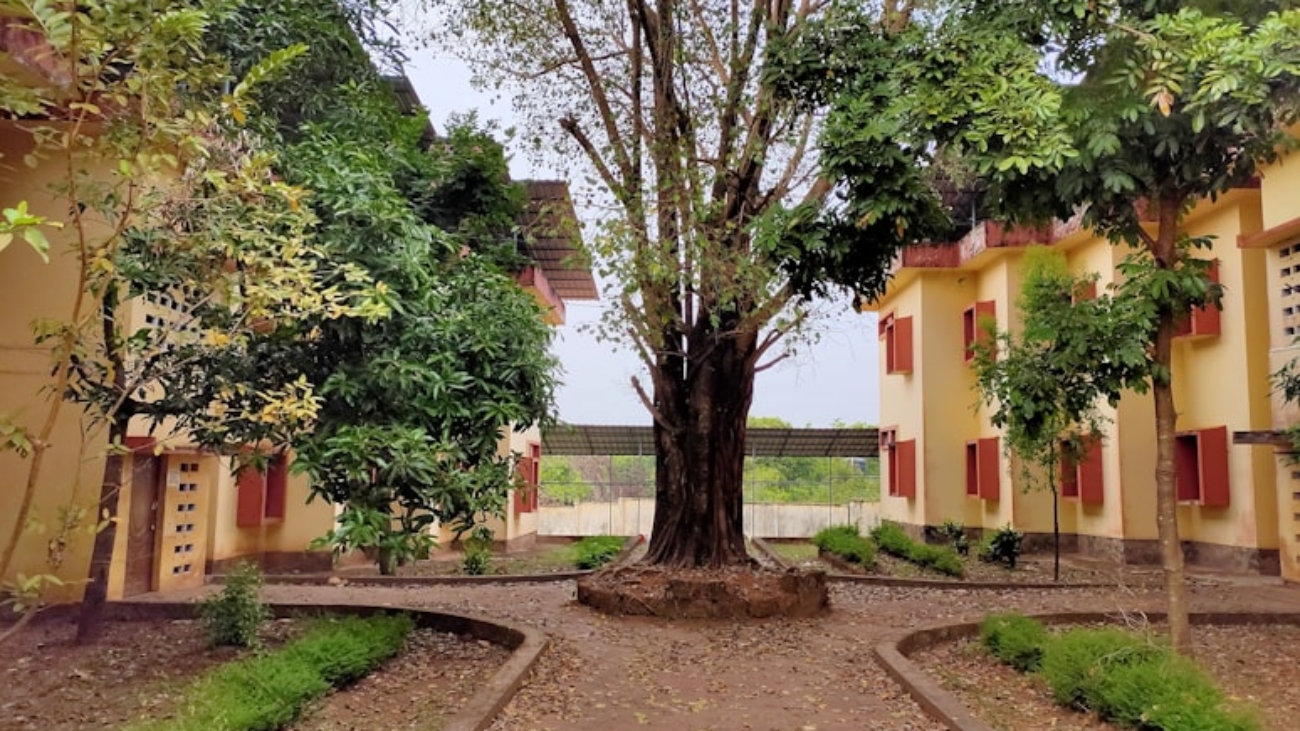
Academic institutions must also undergo cultural reformation. Colleges and universities should become environments where intellectual exploration is valued more than partisan loyalty. Faculty must play an active mentoring role, guiding students to participate in political discourse but ensuring that academics remain the central priority. Transparent academic policies, consistent attendance systems, and strict enforcement against disruption of classes must be strengthened. However, discipline alone is not enough. Students must be provided alternative avenues for belonging and purpose: clubs on science, literature, theatre, entrepreneurship, robotics, environment, journalism, and social innovation. When campuses offer multiple identities to choose from, political identity no longer becomes the only strong magnet.
Career awareness plays a critical role in rebalancing priorities. Many students become overly political simply because they lack clarity on career pathways or feel disconnected from the job market. Kerala Vision 2047 should ensure that every higher education institution has a well-functioning career centre offering counselling, workshops, industry visits, mentoring sessions, and internship opportunities. Exposure to successful professionals and alumni can significantly shift student aspirations. When a young person clearly sees a future in medicine, law, technology, research, design, or public policy, they automatically become less vulnerable to political over-absorption.
Digital awareness is another dimension. Political ideologies today spread rapidly through social media, influencer narratives, and algorithm-driven echo chambers. Many youths fall prey to oversimplified binaries, outrage cycles, and tribal thinking because they lack digital literacy—the ability to analyse, verify, and interpret information. Vision 2047 must embed digital critical-thinking education into school and college curricula. Students should be taught how misinformation works, how ideological manipulation happens, and how online radicalisation traps individuals. When young people understand the mechanics of influence, they are less likely to be captured by extreme or shallow narratives.
Parental and community involvement must evolve as well. Many parents remain unaware of the extent to which political culture shapes campus life. Kerala needs public dialogue about youth development, helping families understand that academic support, emotional connection, and open communication reduce ideological vulnerability. Community organisations and local bodies can create youth development programmes focusing on entrepreneurship, environmental action, amateur research groups, arts collectives, and sports leagues. The more meaningful engagements youth have outside politics, the more balanced their worldview becomes.
A mental health dimension underlies this issue. Youth who feel isolated, uncertain, or under-confident often find comfort in ideological groups that offer clarity, belonging, or emotional support. Kerala must strengthen counselling infrastructure across campuses, offering psychological support, stress management workshops, and peer support groups. When students feel grounded and emotionally secure, they are less dependent on political organisations for identity and validation.
Media culture plays a major role. Kerala’s television debates, social media channels, and news coverage often polarise public opinion, simplifying complex issues into ideological conflict. Young people absorb these narratives. Vision 2047 should encourage more constructive political content: youth policy dialogues, public problem-solving competitions, fact-based discussions, and platforms for students to showcase innovations. If the public sphere becomes more intelligent, youth engagement becomes healthier.
Government policy also has a part to play. Kerala can establish a Youth Future Commission—an advisory body that studies youth behavioural patterns, political engagement trends, and skill gaps, recommending interventions to maintain a balance between activism and academics. Structured volunteer programmes such as community service credits, environmental projects, and digital literacy missions can channel youthful energy into nation-building rather than factional mobilisation.
None of this implies that young people should be politically apathetic. Kerala’s tradition of political alertness is a gift. It produces young citizens who are aware, articulate, and socially sensitive. The goal is not to eliminate political participation but to ground it in maturity, informed thought, and personal growth. Kerala needs young people who can think critically about political ideas while excelling academically, professionally, and ethically.
By 2047, Kerala must aspire for a generation of youth who are politically conscious but not consumed, intellectually free but not directionless, socially active but not exploited. They should participate in politics as thinkers, innovators, and future leaders—not as foot soldiers in ideological battles they barely understand. A Kerala where politics does not derail careers but enhances civic intelligence is possible. A Kerala where academic excellence and political engagement coexist harmoniously is achievable. A Kerala where youth shape the future rather than being shaped by factions is within reach.
If Kerala succeeds, it will produce a generation that honours its political heritage while building modern careers, strong families, global networks, and innovative enterprises—youth who carry both conscience and competence into 2047.
