
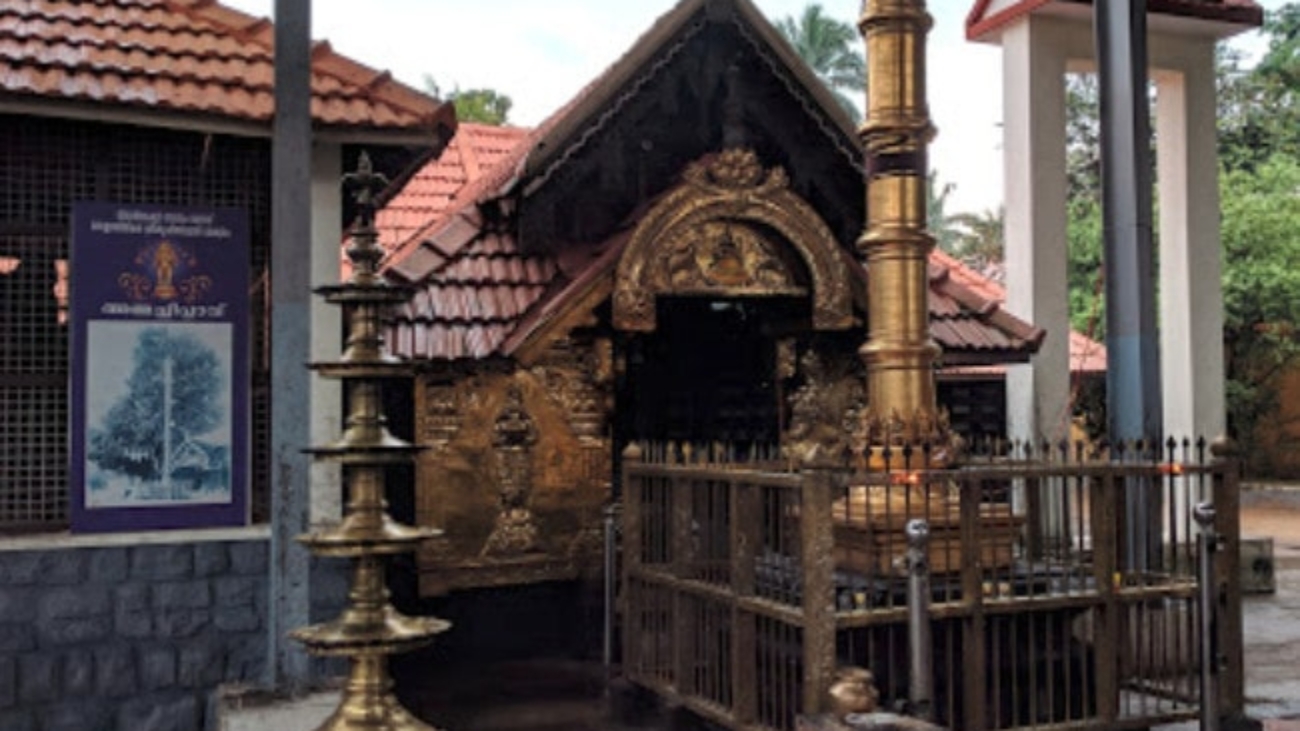
The Pillai community, spread across Travancore, Central Kerala, and parts of Malabar, has historically played a major role in Kerala’s administrative, cultural, and socio-economic evolution. Traditionally associated with leadership, temple administration, land management, military service in earlier centuries, and later with education and government employment, the community has been one of Kerala’s most influential social groups. As Kerala approaches 2047, the Pillai community faces both opportunities and challenges: the need to maintain cultural continuity, expand participation in modern sectors, strengthen economic resilience, nurture younger generations, and redefine its identity for a globalised world. A long-term vision must therefore combine heritage with innovation, ensuring the community remains a dynamic contributor to Kerala’s progress.
A first pillar of this vision is educational excellence. The Pillai community historically valued learning, producing teachers, civil servants, lawyers, engineers, and scholars. But the rapid evolution of the global economy requires new forms of skill-building. By 2047, the community must encourage its students not only to excel in traditional professional fields but also to compete in emerging domains such as artificial intelligence, biotechnology, aerospace engineering, defence technology, international relations, climate science, behavioural economics, and creative industries. Coaching centres, scholarship funds, and mentorship networks can be established by community organisations to help children access global universities, civil service pathways, and cutting-edge research fields. A structured Pillai alumni network across India and abroad can guide students toward opportunities in government, business, and global mobility.
Economic transformation forms the second major pillar. While many Pillai families found stability in public sector employment, government jobs alone cannot sustain future generations. By 2047, the community must shift toward entrepreneurship, wealth creation, and innovation-driven business. This includes developing startups in IT, health tech, renewable energy, logistics, real estate services, digital media, marine technology, and export-oriented sectors. Family businesses can diversify using modern management tools and digital platforms. Community-led business forums can provide investment support, legal guidance, and networking opportunities to young entrepreneurs. Economic confidence ensures long-term community stability.
Cultural continuity is equally important. The Pillai community holds rich traditions related to temple service, matrilineal histories in some regions, cultural arts, martial heritage, festivals, and unique social practices. Many of these traditions risk fading as families move abroad or grow disconnected from their roots. Vision 2047 should promote the documentation of oral histories, family genealogies, temple rituals, traditional performing arts, and regional customs. Cultural academies run by the community can offer training in Kathakali, Carnatic music, Kathakali chenda, ancient Kerala martial traditions, and Sanskrit chanting. Such institutions help younger generations feel connected to their identity in a positive, confident, and inclusive manner.
Women’s empowerment must be central to this vision. Historically, women in the Pillai community enjoyed certain social privileges but often faced restrictions in public life and leadership. Today, Pillai women excel in education, healthcare, IT, media, and civil services, yet structural barriers and societal expectations still limit full participation. By 2047, the community must encourage women to take up leadership roles—in corporate sectors, academia, entrepreneurship, and public administration. Support systems for work-life integration, training programmes, and professional mentorship networks can create a nurturing ecosystem for women’s ambitions. Empowered women strengthen the community economically and culturally.
The community must also engage actively in Kerala’s civic and political life. Historically, Pillais were administrators, officers, and advisors in Travancore’s governance structure. Today, representation in public administration and politics has reduced. Vision 2047 can revive this legacy through civil service academies, leadership workshops, and political training initiatives. Youth must be encouraged to pursue careers in policymaking, diplomacy, law enforcement, judiciary, and public sector innovation. A community that participates actively in governance helps shape Kerala’s future direction.
Migration and globalisation introduce a new dimension to the community’s evolution. Many Pillai families now live in the Gulf, Europe, the US, Australia, and Southeast Asia. This diaspora holds significant cultural, intellectual, and financial capital. A Global Pillai Council can connect these individuals to Kerala through knowledge-sharing programmes, investments in community-led institutions, mentorship for youth, and philanthropic initiatives for education and healthcare. Diaspora engagement strengthens both identity and future prosperity.
Social cohesion is another pillar of long-term prosperity. As families break into smaller units and traditional networks erode, community bonding can weaken. Vision 2047 can encourage regular community gatherings, youth retreats, cultural seminars, and family-oriented festivals that reinforce interpersonal connection. Elder care networks and counselling services can also support families facing emotional or financial difficulties. A socially cohesive community adapts better to economic and technological disruptions.
Environmental responsibility has always been part of Kerala’s ethos, and the Pillai community can play a leadership role. Many resource challenges—water scarcity, soil depletion, extreme rainfall, coastal erosion—require informed citizens and community involvement. By 2047, the community can support environmental education, participate in reforestation drives, adopt sustainable agriculture models in family lands, promote rainwater harvesting, and encourage children to explore environmental sciences as careers. Progressive communities will integrate sustainability into their identity.
Health and well-being must also be prioritised. With increasing stress, sedentary lifestyles, and chronic diseases affecting Kerala’s population, the community must invest in preventive healthcare awareness. Cultural associations can organise fitness programmes, wellness workshops, mental health seminars, and nutrition drives. Encouraging sports, yoga, martial arts like Kalaripayattu, and community athletics can build physical and psychological resilience.
Finally, Kerala Vision 2047 requires the Pillai community to embrace a mindset of openness, adaptability, and cultural groundedness. The challenge for every traditional community is balancing identity with modernity—remaining connected to heritage while embracing new knowledge. The community must cultivate humility, social inclusiveness, and collaboration with other social groups, reflecting Kerala’s tradition of pluralism. Community pride must be rooted not in hierarchy but in excellence, ethical conduct, and contribution to society.
By 2047, the Pillai community can emerge as one of Kerala’s most future-ready groups—strong in education, bold in entrepreneurship, rooted in culture, engaged in governance, connected globally, and committed to Kerala’s development. This future requires collective effort, vision, and a willingness to evolve. A community that understands its past while shaping its future becomes a stabilising force for Kerala’s progress.
The Pillai community’s story is not only historical—it is a living legacy shaping Kerala’s 21st-century identity. Vision 2047 can ensure that this legacy continues with renewed strength, wisdom, and purpose.
