
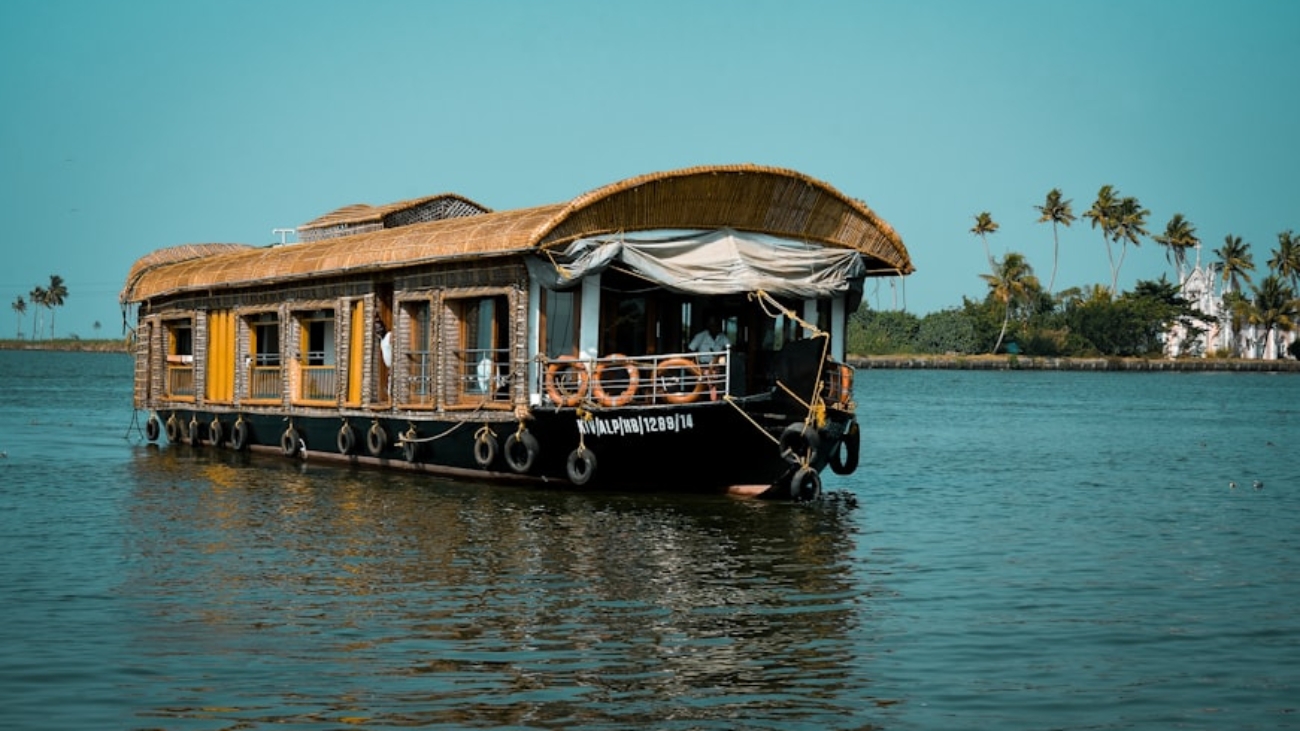
Houseboat tourism—born from repurposed kettuvallams that once transported rice and spices across the Vembanad lake system—is one of Kerala’s most iconic contributions to global tourism. What began as a humble adaptation of traditional watercraft has become a powerful cultural, economic, and experiential asset for the state. Alappuzha and Kumarakom transformed into international destinations largely because of houseboats, which offered travellers a unique combination of natural beauty, slow travel, and traditional hospitality. Yet by 2024, the industry faces challenges: environmental degradation, waste management issues, competition from other tourism formats, rising operational costs, and changing traveller expectations. Kerala Vision 2047 must therefore reimagine houseboat tourism not as a stagnant attraction, but as a future-forward cultural, ecological, and technological experience that strengthens Kerala’s tourism brand.
The first strategic relevance of houseboat tourism lies in its global identity value. When people worldwide think of Kerala, two images dominate: the lush backwaters and the houseboat gliding across the waters. This brand recognition is unmatched by any other tourism product in the state. By 2047, Kerala must leverage this identity more strategically through international marketing campaigns, cinematic experiences, travel partnerships, and digital storytelling. The backwater–houseboat image must be repositioned as a premium, eco-friendly, culturally grounded luxury travel offering—distinct from mass tourism experiences elsewhere in Asia.
Economically, houseboats generate employment and income for thousands of families—operators, boat-builders, carpenters, fishermen, cooks, tour guides, local farmers, souvenir sellers, fuel suppliers, maintenance workers, and taxi drivers. Villages around Kuttanad, Kainakary, Pallathuruthy, Kumarakom, and Thanneermukkom rely heavily on this economy. Reinforcing houseboat tourism means reinforcing rural livelihoods and preventing economic decline in these regions. By 2047, this sector can become a model of inclusive growth by ensuring better wages, skill development, and stable work for local communities.
Ecologically, houseboats sit within one of the most fragile environments in India—the Vembanad lake. The lake is shrinking, polluted, and threatened by eutrophication, sand mining, encroachment, and unsustainable fishing. Kerala Vision 2047 must treat environmental rehabilitation as central to sustaining tourism. This includes scientific lake restoration, backwater mapping, removal of invasive species, sustainable dredging plans, and strict waste treatment regulations. Houseboats must shift to solar-electric hybrid systems, onboard bio-toilets, and zero-discharge policies. The industry must evolve from being part of the environmental problem to becoming a champion of backwater conservation.
Innovation is essential for the future of houseboat tourism. By 2047, houseboats should integrate smart technologies: app-based bookings, real-time safety systems, GPS navigation, solar roofing, AI-powered energy optimisation, and VR storytelling about backwater ecology and local culture. Luxury houseboats can incorporate wellness experiences—Ayurvedic treatments, yoga decks, spa therapies, organic cuisine, and guided meditation. Adventure houseboats can offer kayaking, paddle-boarding, fishing lessons, and birdwatching. Cultural houseboats can host Kathakali performances, classical music evenings, cooking demonstrations, or storytelling sessions about Kerala’s maritime history. Diversifying experiences will attract new audiences—millennials, digital nomads, wellness travellers, and eco-conscious tourists.
Houseboat tourism also plays a role in promoting Kerala’s agricultural economy. Many operators source vegetables, fish, eggs, toddy, rice, coconut products, and spices from local producers. By formalising these linkages, Kerala can create a “Backwater Supply Chain” that benefits farmers and fishermen. Special branding—like “Houseboat Certified Organic Produce” or “Vembanad Fresh”—can create market visibility for rural producers. This strengthens food security and preserves traditional farming in Kuttanad.
Another dimension is cultural diplomacy. Houseboats are an ideal platform for showcasing Kerala’s soft power to global travellers. Stays can be integrated with curated cultural modules: boat races, local legends, Aranmula craftsmanship, coconut-climber demonstrations, and traditional boat-making workshops. Houseboats can act as floating museums of Kerala’s backwater life. Such immersive storytelling deepens tourists’ appreciation and enhances Kerala’s global identity.
Houseboat tourism can also play a major role in Kerala’s climate resilience strategy. As sea levels rise and flooding intensifies, floating architecture, amphibious housing, and water-based mobility will gain importance. The expertise in building, maintaining, and navigating houseboats can evolve into a knowledge economy: training programs on floating construction, renewable-powered watercraft, and sustainable water-transport systems. Kerala’s unique experience can inspire other delta regions across the world.
Infrastructure development must support the evolution of houseboat tourism. By 2047, backwater districts must have smart jetties, digital safety systems, solar charging docks, sewage treatment plants, waste collection boats, and community-managed sanitation networks. Special tourism corridors with eco-friendly pathways and view decks can enhance visitor experience. Flood-resilient embankments and lake-flow management will ensure long-term sustainability.
Skill development is another critical component. The next generation of boat operators, chefs, guides, and maintenance workers must be trained in hospitality standards, foreign languages, safety protocols, digital tourism tools, and environmental stewardship. A Backwater Tourism Academy can be created in Alappuzha or Kumarakom to professionalise the industry. Empowering youth ensures continuity and quality.
International partnerships can further strengthen the sector. Kerala can collaborate with Netherlands (famous for water management), Indonesia (floating tourism), Maldives (luxury water villas), and Scandinavia (eco-friendly boats) to develop cutting-edge models. These partnerships can help Kerala modernise designs, sustainability systems, and tourist experiences.
A stronger focus on wellness tourism can elevate houseboats into premium offerings. Wellness travellers increasingly seek silence, nature, detox experiences, and personalised care—all of which the backwaters provide naturally. By 2047, Kerala can promote a “Backwater Wellness Circuit,” combining Ayurvedic centres, yoga retreats, and eco-lodges with houseboat stays. This will attract high-value travellers who stay longer and spend more.
Houseboat tourism can also stimulate digital and creative industries. Filmmakers, photographers, designers, and content creators are drawn to the backwaters. Kerala Vision 2047 can promote houseboats as creative residencies—inviting artists, researchers, and innovators to work from the water. This creates global visibility and inspires cultural output.
To sustain the sector, Kerala must adopt strict governance. A unified Backwater Tourism Authority must coordinate licensing, environmental compliance, safety, pricing, insurance, and marketing. This ensures accountability and prevents overcrowding of boats. Transparent regulations benefit both operators and visitors.
Ultimately, Kerala Vision 2047 sees houseboat tourism not as a nostalgic product of the past but as a modern, scalable, eco-sensitive, culturally rich industry that reflects the state’s identity and ingenuity.
By 2047, houseboat tourism can evolve into:
A global luxury eco-tourism experience
A symbol of Kerala’s cultural depth and hospitality
A driver of rural employment and agricultural linkages
A partner in environmental conservation
A showcase of sustainable floating architecture
A wellness and creative tourism hub
The houseboat will continue to glide across Kerala’s backwaters—not merely as a vessel of leisure, but as a vessel of Kerala’s future aspirations.
