
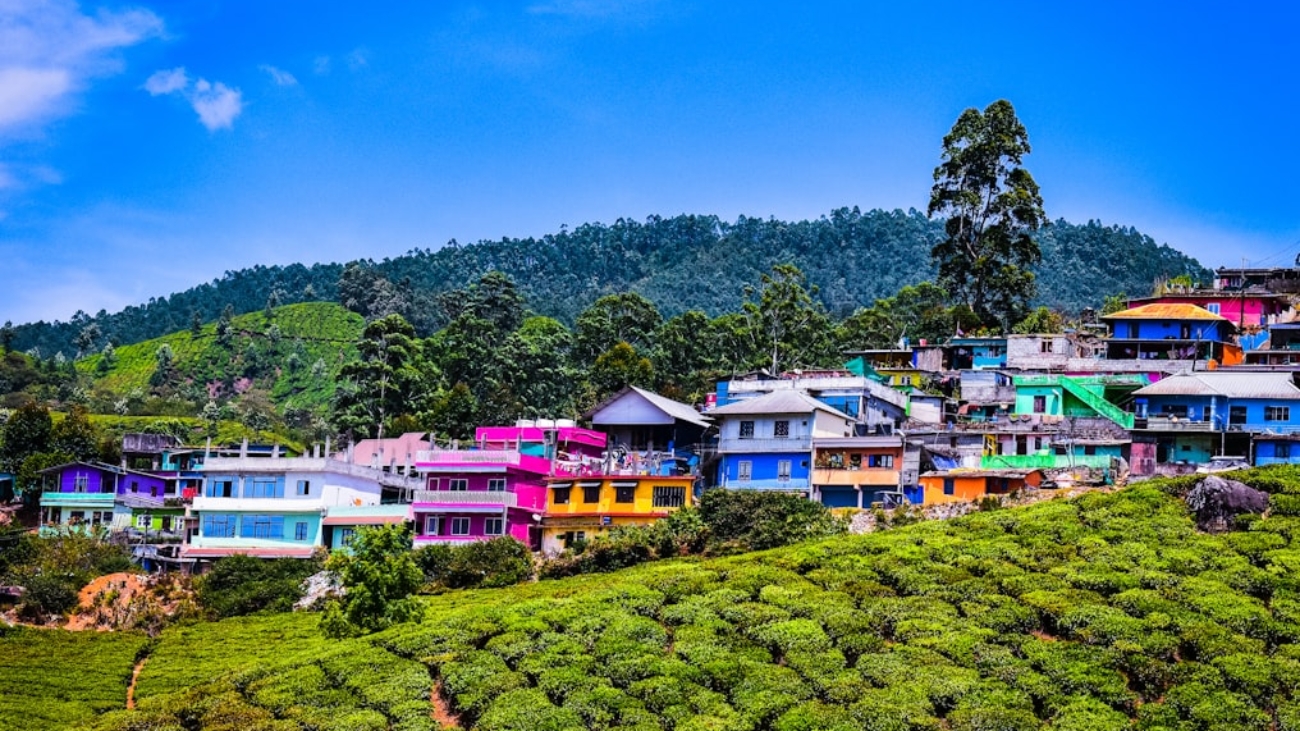
Idukki is one of Kerala’s most distinct districts—geographically elevated, culturally diverse, and economically dependent on agriculture, plantations, and migrant labour patterns. The Hindu community of Idukki is not a homogenous group but a mosaic of traditional agrarian families, tribal communities, settlers from midland Kerala, and service-based groups who adapted to the rugged landscape of the Western Ghats. As Kerala moves toward 2047, the Idukki Hindu community faces a set of unique challenges and equally unique opportunities. The region suffers from scattered settlements, limited connectivity, fragile ecosystems, reliance on monoculture crops, youth migration, land-related vulnerabilities, and inadequate access to higher education and specialised healthcare. A focused development agenda can empower the Idukki Hindu population to thrive while preserving their cultural identity, ecological responsibility, and social cohesion.
The first priority is strengthening economic security through diversified livelihoods. Traditional dependence on cardamom, pepper, and other plantation crops exposes families to global price fluctuations, climate stress, and pest-related risks. The Idukki Hindu community must embrace crop diversification—integrated farming, medicinal herb cultivation, specialty vegetables suited for high ranges, artisanal honey production, and climate-resilient varieties of spices. Farmer-producer organisations must be formed at panchayat levels to ensure fair pricing, collective bargaining, modern packaging, and access to global markets. Youth should be trained in agri-tech tools such as soil sensors, weather-based crop advisory apps, and precision irrigation techniques. A diversified rural economy ensures financial resilience and reduces dependency on unpredictable commodity cycles.
Second, the community must improve access to higher education and professional skills. Idukki’s unique geography has historically limited its access to professional colleges, coaching centres, and skill development hubs. Many capable students migrate to Ernakulam or Kottayam for opportunities, often not returning. By 2047, Idukki must host permanent skill academies focused on engineering, agriculture technology, renewable energy, hospitality, and digital careers. Local colleges should be upgraded with better faculty, research collaborations, and digital classrooms. Residential coaching centres for civil services, defence recruitment, and technical exams can empower rural youth to enter high-quality professions. Knowledge institutions must become the backbone of Idukki’s future.
Third, infrastructure development is essential. Roads, bridges, digital connectivity, and transport networks remain uneven. The Hindu community—spread across villages, estates, and hilly terrains—often struggles to access hospitals, markets, and educational institutions. Roads must be upgraded with climate-resilient engineering suited for landslide-prone areas. Public transport must be strengthened through mini-bus routes, electric jeep services, and community mobility programs. Internet connectivity must become universal so that youth can participate in online education, remote employment, and digital business models. Infrastructure in Idukki must be designed not as an afterthought but with long-term ecological sensitivity.
Fourth, the cultural confidence of the Idukki Hindu community must be strengthened. The region has rich temple traditions, tribal-linked rituals, sacred groves, classical arts, and folk customs that are less documented compared to lowland Kerala. By 2047, cultural preservation centres can be developed to archive oral histories, temple art forms, traditional medicine, and local ecological knowledge. Temple festivals must be revived with proper documentation and youth involvement. Community halls, libraries, and arts academies can serve as hubs for intergenerational knowledge transfer. A strong cultural identity prevents social fragmentation and preserves ancestral wisdom.
Fifth, healthcare access must be dramatically improved. Many Idukki villages are far from hospitals or specialist care. Maternal health, geriatric care, mental health, and lifestyle diseases require structured attention. Mobile medical units, telemedicine linkages with major hospitals, and local community health workers can ensure regular check-ups. Ayurvedic and tribal medicine heritage can be revived to complement modern healthcare. By 2047, Idukki should have a decentralised health network capable of responding to emergencies quickly despite terrain challenges.
Sixth, the community must prepare for climate vulnerabilities. Idukki is highly prone to landslides, flash floods, soil erosion, and unpredictable weather shifts. The Hindu community must engage actively in climate resilience through soil conservation, controlled slope farming, reforestation drives, rainwater harvesting, and community awareness programs. Houses and public buildings must be constructed with disaster-resistant designs. Panchayats must identify safe zones and evacuation routes. Climate literacy must become part of school and temple-based community education. A safe and stable Idukki is possible only through proactive ecological stewardship.
Seventh, entrepreneurship must be encouraged. Tourism offers a promising avenue—homestays, eco-tourism ventures, plantation tours, trekking services, ethnic food experiences, spice-processing workshops, and cultural tourism circuits. Young entrepreneurs should receive training in hospitality, digital marketing, and sustainable tourism management. The Hindu community can also build cooperatives for spice branding, handicrafts, and traditional food products. Entrepreneurship reduces rural unemployment and creates dignity-based local careers.
Eighth, women’s empowerment must be central to the agenda. Women in Idukki play crucial roles in agriculture, household management, and community life, yet their participation in economic leadership and education can be strengthened. Self-help groups must be supported with better training, microfinance options, and linkages to wider markets. Women-led enterprises—organic farming cooperatives, tourism ventures, craft industries, and digital service centres—can reshape the economic landscape. Girls’ education must be protected through scholarships, hostels, and career guidance.
Ninth, the community must strengthen social unity and organisational capacity. The Hindu population in Idukki is spread across caste groups, settlement clusters, and occupational identities. A shared development vision requires coordination through cultural organisations, temple committees, youth clubs, and farmers’ societies. Dialogue, unity platforms, and focused community structures can ensure collective progress rather than fragmented efforts.
Tenth, migration and demographic decline must be addressed. Many young people leave Idukki due to limited opportunities, leaving behind an ageing population. By 2047, creating jobs in the district through agriculture modernisation, tourism, digital work, and local industries can reverse this trend. Returning migrants can be integrated into local entrepreneurship schemes, bringing new skills and capital.
Eleventh, digital literacy must become universal. Teaching every household to use smartphones for banking, health consultations, skill learning, and market access creates empowerment. Youth can run community digital centres to help the elderly navigate the digital world. A digitally empowered community is more connected, confident, and future-ready.
Finally, the Hindu community of Idukki must shape a long-term vision that harmonises tradition, ecology, and modern development. Idukki cannot follow the same development model as coastal or urban regions. Its strengths lie in highland agriculture, ecological heritage, cultural richness, and community resilience. The future must be built on these foundations.
By 2047, the Idukki Hindu community can achieve:
Economic stability through diversified agriculture
Access to high-quality education and modern skills
Robust infrastructure suited to hilly terrain
Cultural revival and intergenerational continuity
Climate resilience and ecological protection
Strong entrepreneurship and tourism-driven growth
Enhanced women’s participation and leadership
Social unity across communities
Digital empowerment for all
An empowered Idukki Hindu community strengthens not only the district but the entire state. A prosperous future is possible when development aligns with identity, environment, and opportunity.
