
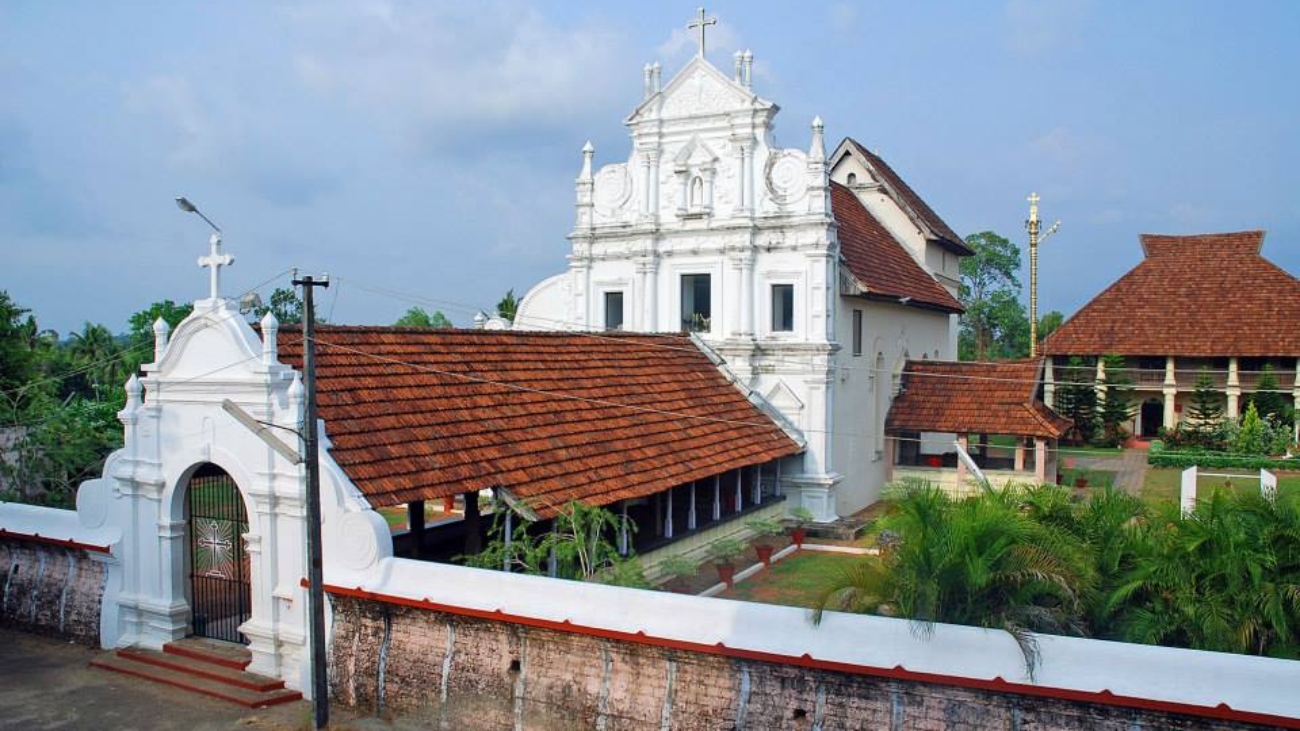
Pentecostal Christians form one of Kerala’s most vibrant, spiritually dynamic, and socially influential communities. Spread across rural villages, plantation belts, small towns, and urban peripheries, the Pentecostal movement in Kerala has grown through its emphasis on personal transformation, discipline, prayer fellowship, community support, and missionary zeal. Its congregations have produced countless pastors, musicians, entrepreneurs, educators, nurses, technicians, and migrants who contribute significantly to Kerala’s identity at home and abroad. Yet the community also faces challenges: youth migration, financial vulnerability, denominational fragmentation, social prejudice, limited political representation, and the pressures of rapid cultural change. Kerala Vision 2047 must therefore provide a thoughtful development agenda that preserves the spiritual vitality of Pentecostalism while empowering the community to grow socially, economically, and culturally.
The first objective is strengthening education and academic advancement. Many Pentecostal families encourage moral discipline and religious study, but a large number still lack access to high-quality secular education and professional opportunities. By 2047, the community must invest in modern schools, skill centres, and scholarship programmes that enable youth to enter engineering, medicine, law, research, entrepreneurship, digital technology, and civil services. Community-run learning hubs can provide PSC, UPSC, NEET, and JEE coaching. Partnerships with colleges and universities can bring mentorship and career counselling to congregations. A highly educated youth population will ensure long-term empowerment.
Second, the community must diversify its economic base. Many Pentecostal families rely on migration income, pastoral work, small retail, trades, or service-sector jobs such as nursing and care work. These are honourable but economically fragile occupations. By 2047, Pentecostal youth must be encouraged to enter fast-growing fields such as information technology, fintech, defence technology, biotechnology, renewable energy, design, logistics, and creative industries. Entrepreneurship must be promoted through microfinance groups, cooperative ventures, business mentorship networks, and investment gatherings within congregations. Churches can even host periodic entrepreneurship summits where successful global Pentecostal entrepreneurs share experiences. A shift toward higher-value professions can elevate the entire community.
Third, political and civic representation must be strengthened. Pentecostal Christians often feel underrepresented in local governance and policymaking spaces. Because the community is decentralised and divided into many denominations, collective political action has been difficult. Kerala Vision 2047 requires the community to build platforms for civic participation—youth citizenship training, public speaking workshops, leadership fellowships, and legal awareness programmes. Without compromising religious principles, the community must cultivate leaders who can articulate concerns related to social welfare, minority rights, education, and local development. Representation creates influence; influence protects dignity.
Fourth, social integration must be a priority. In some regions, Pentecostal Christians face prejudice or stereotyping due to their distinct prayer styles, conversion narratives, and worship practices. By 2047, the community must build stronger bridges with society through interfaith events, cultural programmes, charity initiatives, and disaster-relief activities that include people of all backgrounds. When neighbours see Pentecostal families as contributors to society, misunderstandings fade. Social harmony is strengthened when engagement replaces isolation.
Fifth, women’s empowerment must be expanded. Pentecostal women are known for their leadership in prayer groups, charity work, and community organisation, yet many still face barriers to educational and professional advancement. Churches must create women-focused scholarships, career mentorship programmes, and entrepreneurship cooperatives. Training in digital skills, financial literacy, healthcare, and leadership can elevate women economically and socially. Empowered Pentecostal women will inspire generational transformation.
Sixth, youth engagement must be dynamic and future-oriented. Pentecostal youth are often deeply committed spiritually but may struggle with balancing faith, modernity, career pressures, and global exposure. By 2047, youth ministries must incorporate leadership development, counselling programmes, sports events, arts workshops, and social service drives. Churches must become safe spaces for young people to discuss mental health, digital addiction, academic stress, and identity issues. A confident, emotionally stable youth population is essential for long-term progress.
Seventh, digital modernisation of church administration and community life is essential. Many congregations still rely on traditional structures for communication, record-keeping, and financial management. Digitising church networks—online sermons, learning portals, mobile apps for charity contributions, digital attendance systems, and livestreamed worship—can strengthen community participation. Digital missionary work can expand reach without exhausting physical resources. Technology can also preserve sermons, music, testimonies, and historical documents for future generations.
Eighth, welfare and social support must be reorganised. Unlike some established denominations, Pentecostal churches often lack large-scale institutional structures for healthcare, education, or elderly care. By 2047, the community must develop welfare cooperatives, medical aid funds, insurance awareness programmes, career-support cells, and structured charity management. Congregations can pool resources to create small community clinics, counselling centres, or senior-care facilities. A well-supported community is a resilient community.
Ninth, mental health awareness must be integrated into community life. Pentecostal Christians frequently turn to prayer for emotional healing, which is powerful but not always sufficient. By 2047, churches must work with trained counsellors, psychologists, and social workers to address depression, anxiety, addiction, trauma, and youth stress. Spiritual and psychological care must complement each other. This integrated model enhances both healing and stability.
Tenth, diaspora engagement must be expanded. A significant portion of the Pentecostal community lives abroad—in the US, UK, Europe, Australia, and the Gulf. These diaspora members are economically successful and socially influential. Instead of limiting interactions to periodic visits, Kerala must create structured diaspora engagement networks: investment groups, mentorship forums, returnee integration teams, and virtual learning exchanges. Diaspora pastors, professionals, and entrepreneurs can guide Kerala congregations in global best practices and economic opportunities.
Eleventh, cultural identity must be documented and strengthened. Kerala Pentecostalism has a century-old history marked by music traditions, revival movements, pioneering pastors, missionary journeys, and community transformation stories. These must be chronically preserved through books, digital archives, documentaries, and heritage museums. Young people must feel proud of their spiritual heritage and understand its evolution.
Twelfth, unity among denominations must increase. Fragmentation reduces collective strength. While doctrinal differences will remain, coordination on social welfare, leadership development, disaster relief, women’s programmes, and community representation can enhance overall impact. By 2047, a federation for shared community development—without altering individual beliefs—can improve solidarity.
Finally, the Pentecostal community must maintain its spiritual vitality. Faith, prayer, music, compassion, and service define the movement. As Kerala modernises, it is essential that the community retains its moral and ethical core while engaging constructively with society. Spiritual strength must fuel social and economic strength, not replace it.
By 2047, the Pentecostal Christian community in Kerala can achieve:
A highly educated, professionally successful youth population
Economically secure families through diversified livelihoods
Strong representation in civic and public spaces
Deep social integration and interfaith harmony
Empowered women leading in community and professional fields
Digitally modernised church networks
Robust welfare, healthcare, and elderly support systems
A confident, united community rooted in its spiritual heritage
Pentecostal Christians have contributed significantly to Kerala’s social fabric. With strategic planning and unity, they can become one of the most empowered communities in Kerala by 2047—spiritually grounded, economically strong, and socially influential.
