
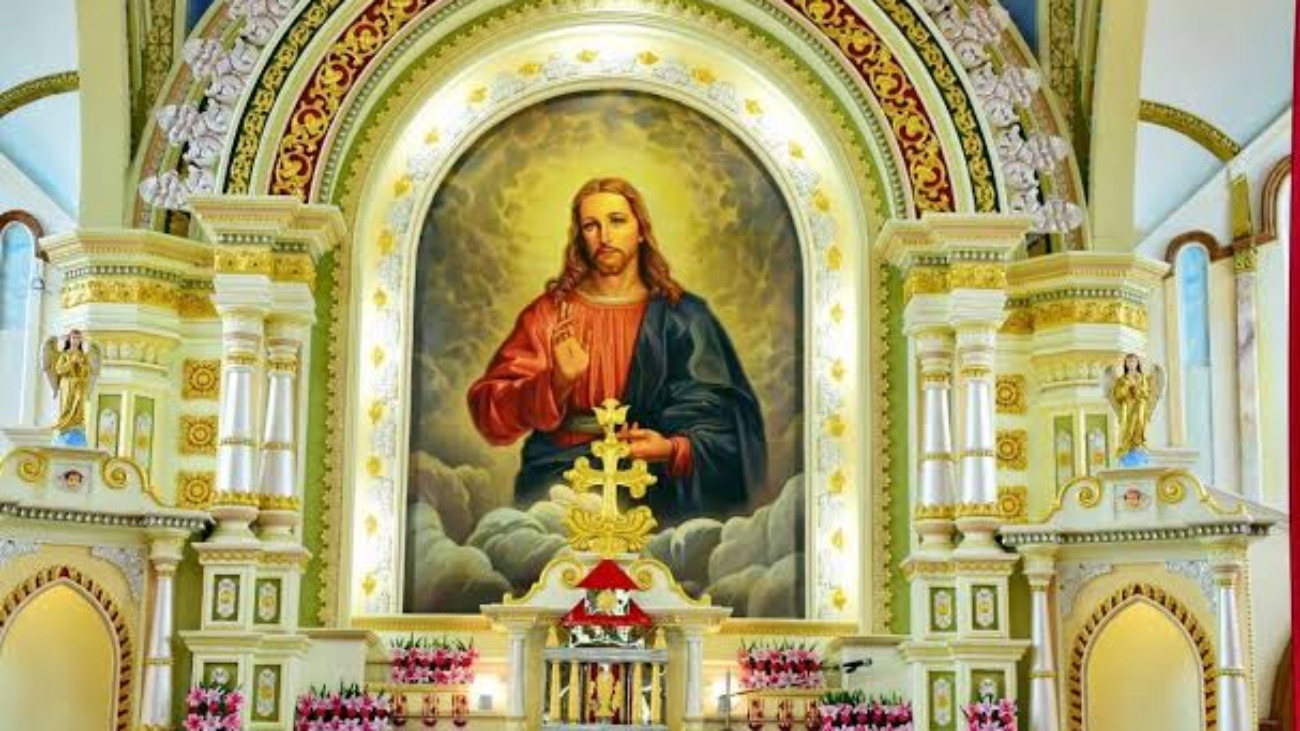
The Mar Thoma Christian community holds a unique place in Kerala’s cultural and religious landscape. Rooted in ancient Syrian Christian traditions while embracing reformist theology, education, social service, and global engagement, the community has contributed significantly to Kerala’s intellectual, professional, and moral life. Mar Thoma congregations have shaped schools, colleges, hospitals, mission centres, and social justice movements. As Kerala moves toward 2047, the Mar Thoma community is positioned to play an even greater role—but only if it responds to emerging challenges: youth migration, ageing populations, institutional sustainability, digital transformation, theological relevance, and economic diversification. A thoughtful, forward-looking agenda is essential to preserve heritage while preparing for a complex future.
The first priority is revitalising educational excellence. The Mar Thoma community historically invested heavily in education, building schools and colleges that shaped generations of professionals. By 2047, these institutions must undergo a modern transformation. Schools must expand digital classrooms, bilingual learning, robotics labs, climate education, and global curriculum exposure. Colleges must build stronger research programmes in social sciences, climate studies, public policy, biotechnology, economics, and theology. Partnerships with international universities can bring exchange programmes, joint degrees, and collaborative research. Scholarships must be expanded to ensure that talented youth from within and beyond the community can access top-tier education. Education must remain the community’s strongest pillar.
Second, the community must nurture professional leadership in emerging fields. While Mar Thoma Christians are well represented in healthcare, administration, teaching, and migration-driven sectors, the next three decades will demand new skillsets. The community must guide its youth into AI, renewable energy, fintech, defence technology, biotechnology, design, international law, public administration, and start-up ecosystems. Mentorship networks—connecting youth with accomplished professionals within the community—can provide career guidance, internships, and opportunities. Churches can host career workshops, civil service coaching groups, and entrepreneurship forums. A generation prepared for new industries strengthens the community’s long-term influence.
Third, the community must protect and modernise its institutions. Many Mar Thoma hospitals, schools, mission centres, and diocesan structures face financial stress, demographic shifts, and administrative strain. By 2047, these institutions must adopt professional management practices, digital administration, transparent accounting, and leadership pipelines. Mission hospitals can specialise in geriatrics, palliative care, mental health, and rehabilitation—fields where Kerala’s demand is rising. Educational institutions must innovate to stay competitive. Community-run hostels, skill academies, youth centres, and counselling units can be strengthened with modern governance models. Institutions have always been the strength of the Mar Thoma Church; they must now evolve to remain impactful.
Fourth, theological and cultural relevance must be renewed. The Mar Thoma tradition emphasises scripture, worship discipline, simplicity, service, and social justice. Younger generations, however, often drift from structured religious life due to global exposure, busy careers, and cultural changes. Churches must develop youth-friendly worship formats, modern liturgical music, and digital platforms for sermons, Bible study, and community engagement. Theological education must equip pastors to address contemporary issues: mental health, environmental ethics, technology, gender questions, and global migration. When spiritual life stays relevant, emotional stability and identity strengthen.
Fifth, mental health and family life must be prioritised. The pressures faced by Mar Thoma youth—academic expectations, migration stress, cultural duality, relationship complexity, and career uncertainty—often go unaddressed. Churches can establish counselling centres, family support cells, addiction rehabilitation programmes, and premarital counselling units. Pastors and lay leaders must be trained to recognise psychological struggles early. Strong family life is central to community continuity; mental health support ensures resilience.
Sixth, women’s leadership must be elevated. Mar Thoma women have historically been leaders in education, nursing, social service, and family life. Yet professional leadership, theological leadership, and entrepreneurship need more encouragement. By 2047, the community must expand women-led self-help groups, microbusiness incubators, leadership training programmes, and digital literacy initiatives. Women’s fellowships must become platforms for public service, civic engagement, and social advocacy. Empowered women transform families and communities alike.
Seventh, social service and justice must remain central to identity. The Mar Thoma Church has always stood for social reform—uplifting the oppressed, supporting the poor, and promoting equality. Kerala Vision 2047 requires scaling these activities for new contexts. Programmes for migrant workers, tribal communities, coastal populations, and disaster-prone regions must be expanded. Mission hospitals and parishes can organise free clinics, environmental drives, skill training camps, and legal literacy workshops. Social justice work strengthens the church’s moral legitimacy and public influence.
Eighth, diaspora integration must become structured. A large section of the Mar Thoma community now lives abroad—in the US, Canada, Europe, Australia, and the Gulf. These diaspora families are economically successful, culturally adaptive, and spiritually active. By 2047, diaspora congregations must be systematically connected to Kerala through leadership exchanges, student scholarships, mission funding, joint conferences, cultural festivals, and digital worship platforms. Diaspora professionals can mentor Kerala youth in global careers. Diaspora investments can support hospitals, schools, and mission centres. The global Mar Thoma identity can become a strategic strength.
Ninth, elderly care must be strengthened. The Mar Thoma community has a significant ageing population due to migration and demographic decline. Churches must establish assisted living facilities, senior day-care centres, home-visit programmes, and digital health monitoring systems. Spiritual counselling, social gatherings, health camps, and community meals can reduce loneliness. Elderly citizens carry the heritage of the church; caring for them is both a moral and cultural responsibility.
Tenth, unity and interdenominational cooperation must be enhanced. The Mar Thoma Church has historically engaged respectfully with other Christian denominations and with people of all faiths. This spirit must continue and deepen. Inter-church partnerships can support mission work, disaster relief, theological dialogue, and educational development. Interfaith collaboration can strengthen communal harmony in a polarising world. Unity enriches identity rather than weakening it.
Eleventh, environmental stewardship must become a mission priority. Kerala faces floods, landslides, coastal erosion, and climate instability. Mar Thoma congregations can lead environmental protection through reforestation drives, water conservation projects, sustainable farming programmes, plastic reduction campaigns, and climate education. A theology that links creation care with spiritual duty can inspire widespread change.
Finally, the community must cultivate leadership that is spiritually grounded, socially conscious, intellectually sharp, and globally connected. A new generation of pastors, scholars, entrepreneurs, educators, healthcare professionals, and community organisers must emerge by 2047. Leadership training programmes, mentorship circles, and mission schools can prepare youth for service-oriented leadership.
By 2047, the Mar Thoma community can achieve:
A highly educated, globally respected youth generation
Strong, modernised institutions in healthcare, education, and social service
A spiritually vibrant and culturally relevant church life
Economic diversification and entrepreneurship within the community
Expanded welfare and elderly-care systems
Stronger women’s leadership and participation
Deep global connections with the diaspora
A public identity rooted in justice, compassion, and community upliftment
The Mar Thoma community has always stood at the intersection of faith and progress. Kerala Vision 2047 calls the community to carry that heritage forward—preserving tradition, embracing modernity, and serving society with humility, intelligence, and courage.
