
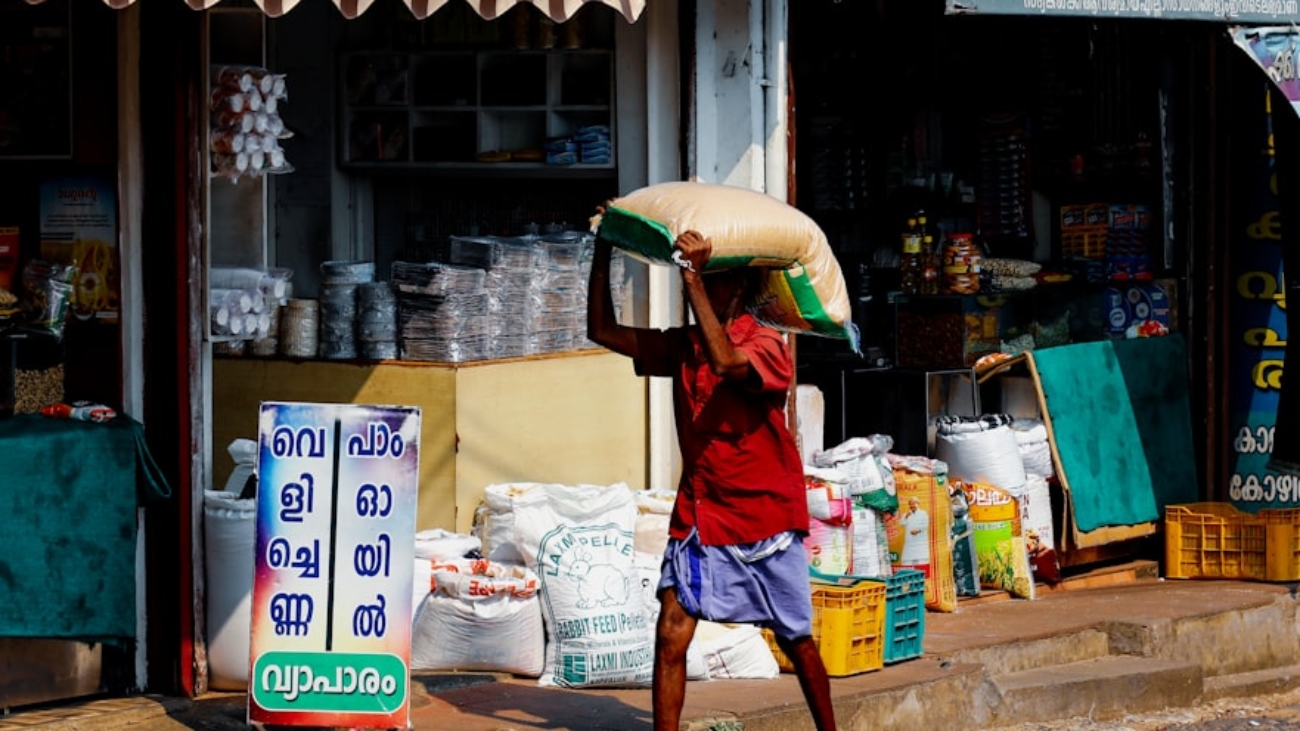
Chalai Market in Thiruvananthapuram is more than a commercial centre—it is one of Kerala’s oldest and most culturally layered trade ecosystems. For centuries, Chalai has functioned as a gateway where goods, communities, and ideas meet. From the Travancore royal period to modern Kerala, the market has supplied generations with vegetables, spices, textiles, electronics, household goods, metalware, and artisanal products. Its narrow lanes, bargaining culture, wholesale–retail mix, and sensory vibrancy make Chalai a living heritage space. But as Kerala approaches 2047, the market confronts new realities: urban congestion, competition from malls and e-commerce, infrastructure strain, lack of parking, safety hazards, and declining interest among youth to continue traditional businesses. To ensure Chalai remains both functional and culturally relevant, Kerala needs a holistic redevelopment strategy that preserves history while embracing modernity.
The first priority is infrastructure renewal. Chalai’s narrow roads, aging buildings, and limited loading–unloading zones lead to persistent congestion. By 2047, the market must undergo a phased redevelopment that does not displace its existing traders. Multi-level commercial blocks designed with traditional architectural elements can replace dilapidated structures, creating organised retail spaces while preserving the market’s charm. Wider pedestrian corridors, dedicated delivery lanes, and scientifically designed drainage must be integrated. The market must become more walkable and safe without losing its character.
Second, Chalai needs a modern logistics backbone. At present, goods movement is chaotic due to mixed traffic patterns. By 2047, the market should have:
a centralised logistics hub outside the core area,
night-time goods movement schedules,
electric cargo vehicles for eco-friendly delivery,
and GPS-linked unloading bays.
This reduces daytime congestion and supports traders with efficient supply chains. Cold-storage units must be added for perishables, ensuring freshness and reducing wastage. Better logistics increases profitability for small traders and improves consumer experience.
Third, Chalai must embrace digital transformation. While bargaining and personal relationships define the market, modern consumers expect hybrid retail models. Traders need support to adopt digital billing, online order management, QR-based payments, inventory applications, and e-commerce tie-ups. A “Chalai Online Marketplace” could allow customers anywhere in Kerala to order produce, spices, tools, or garments directly from traders. This strengthens the market’s reach and protects it against online retail competition. Digital literacy programmes for traders can be organised through cooperative societies and merchant associations.
Fourth, a heritage conservation plan must be implemented. Chalai is not just a market; it is a cultural memory of Travancore’s trading networks. By 2047, the market can evolve into a heritage district where murals, signage, and architectural motifs narrate its history. Special streets such as Spice Lane, Metalware Lane, Flower Street, and Textile Corridor can be curated as themed zones. Street furniture, lighting inspired by Travancore designs, and historical plaques can enhance its cultural appeal. This can also position Chalai as a tourism destination, attracting domestic and international visitors seeking authentic local experiences.
Fifth, safety and sanitation must be modernised. Fire hazards, waste accumulation, and poor drainage remain major concerns. By 2047, Chalai must have a comprehensive safety plan:
fire-resistant building materials,
regular fire audits,
automated extinguishers,
waste segregation units,
modern toilets,
scientific disposal of vegetable waste,
and round-the-clock maintenance staff.
Organic waste can be channelled into decentralised composting units, benefiting urban farming networks. A cleaner Chalai improves the dignity of both traders and consumers.
Sixth, Chalai must support micro-entrepreneurs and preserve traditional trades. The market is home to generations of family-run businesses—ironmongers, spice merchants, flower vendors, tailors, cobblers, utensil traders, and small kirana shops. Urban modernisation often threatens such traditional occupations. Kerala Vision 2047 must ensure that redevelopment protects these traders through affordable rents, business transition support, skill training, credit schemes, and cooperative procurement models. A special Chalai Artisan Fund can support craftsmen and niche traders so that rare trades survive the pressures of real estate and commercial competition.
Seventh, Chalai must integrate sustainability into its core functions. Rooftop solar panels on commercial blocks can reduce electricity costs. Rainwater harvesting in each building can ease water shortages. Waste oils and metal scrap can be collected through organised recycling channels. Plastic reduction campaigns and biodegradable packaging initiatives can be introduced. By 2047, Chalai can emerge as a model for green markets in India.
Eighth, the market must strengthen its connectivity. Access from East Fort, Pazhavangadi, Chalai Bazaar Road, and Killipalam often becomes bottlenecked. Solutions include:
multi-level parking complexes at the approach roads,
pedestrian-only zones during peak hours,
feeder buses and electric autorickshaws,
and redesigning junctions for smoother flow.
Good mobility transforms how people experience the market.
Ninth, Chalai needs a future workforce. Many trader families express concern that their children are not interested in continuing the business due to educational aspirations or migration. By 2047, the market must become attractive for youth by integrating modern retail management practices, branding opportunities, digital operations, and innovative business models. Entrepreneurial cells, internships, and a Chalai Business School (in partnership with local colleges) can train youth in inventory management, supply chain, negotiation, and customer engagement. This ensures intergenerational continuity.
Tenth, Chalai can become a hub for cultural and social events. Night bazaars, food festivals, flower markets, spice fairs, and traditional music evenings can activate public spaces and attract new customers. Such events also create an emotional connection between the city and the market. Cultural tourism can revitalise local economies.
Eleventh, the governance of Chalai must become transparent and participatory. A Chalai Development Council—including traders, residents, local officials, urban planners, heritage experts, and police—can oversee redevelopment, dispute resolution, and maintenance. When traders become co-creators, not passive subjects, transformation becomes smoother and sustainable.
Twelfth, Chalai must integrate social equity. Many labourers—headload workers, helpers, cleaners, delivery workers, and contract staff—depend on the market for livelihood. Welfare programmes must ensure insurance, medical support, night shelters, safe working conditions, and skill development opportunities. A market thrives when its workers thrive.
By 2047, Chalai Market can evolve into:
A smart, clean, pedestrian-friendly heritage market
A digital–physical hybrid commerce hub
A sustainable urban marketplace with green energy and waste systems
A vibrant tourist attraction representing Kerala’s trade history
A thriving centre for micro-entrepreneurs and traditional traders
A logistics-efficient wholesale–retail powerhouse
A socially inclusive ecosystem supporting traders and workers
A symbol of Thiruvananthapuram’s historic and economic identity
Chalai Market is not merely a place to buy and sell; it is a living cultural organism. Kerala Vision 2047 imagines a Chalai that remains authentic yet modern, bustling yet organised, rooted in heritage yet powered by technology. A Chalai that belongs proudly to the future without losing its soul.
