
The Feroke–Kadalundi–Kallayi belt is one of Kerala’s most historically significant yet under-realized economic zones. Situated at the confluence of rivers, coastal ecosystems, and industrial heritage, this tri-region belt has shaped the identity of Kozhikode and North Kerala for centuries. Feroke is known for its tile and pottery industries, Kadalundi for its biodiverse estuary and bird sanctuary, and Kallayi for its legendary timber trade. Each town holds a unique cultural and economic strength, but their developmental trajectories have remained fragmented. Kerala Vision 2047 envisions this belt as an integrated, sustainable, innovation-driven corridor where industry, ecology, heritage, and modern urban systems coexist in harmony.
The first pillar of transformation is reimagining this belt as a river-linked economic ecosystem. The Chaliyar and Kallayi rivers, once central to trade and livelihoods, now suffer from pollution, encroachment, and declining navigability. By 2047, the rivers can be restored as living corridors supporting transport, tourism, and ecological renewal. A River Restoration Authority can undertake dredging, waste removal, mangrove regeneration, bank stabilization, and flood-management systems. Reviving river-based logistics—using solar-powered barges for transporting tiles, timber substitutes, and manufactured goods—can reduce the burden on roads and decrease carbon emissions. This positions the belt as a model for Kerala’s water-centric urban planning.
Feroke’s industrial heritage needs a major leap forward. Known as the “Tile Capital of Kerala,” Feroke’s clay-based industries can be modernized into a green industrial cluster. By 2047, the region can shift from traditional firing methods to electric or hydrogen-based kilns, reducing pollution. Modern building materials—eco-bricks, terracotta composites, energy-efficient roofing tiles, and sustainable ceramics—can be developed through innovation labs and partnerships with engineering colleges. An Industrial Innovation Park in Feroke can host research on materials science, circular economy practices, and climate-adaptive construction technologies. Workers from traditional industries can be reskilled to operate digital machinery, automated kilns, and quality-control systems.
Kadalundi’s ecological identity must be protected and leveraged. The Kadalundi Bird Sanctuary is one of Kerala’s most important wetland ecosystems, hosting migratory birds and rare species. By 2047, Kadalundi can evolve into a national model for eco-tourism and conservation-led development. Elevated boardwalks, bird observation towers, interpretive centres, and guided eco-trails can attract tourists without disturbing habitats. Local communities can run homestays, seafood huts, handicraft stalls, and boat tours. A Coastal Wetland Research Centre can monitor climate change impacts, marine biodiversity, and estuary health. Strict zoning laws, mangrove expansion, and sustainable fishing protocols can ensure the long-term resilience of this coastal environment.
Kallayi’s legendary timber market, once a symbol of Malabar’s maritime trade, requires reinvention. With declining timber imports and environmental restrictions, the old business model is no longer sustainable. By 2047, Kallayi can reposition itself as a “Sustainable Materials Hub” focusing on engineered wood, bamboo composites, recycled materials, and climate-conscious construction products. Workshops and training centres can help carpenters and timber traders transition into new materials and modern design techniques. The Kallayi waterfront can be redeveloped into a heritage–commerce district with pedestrian promenades, craft markets, design studios, and river-view cafés celebrating the region’s timber legacy.
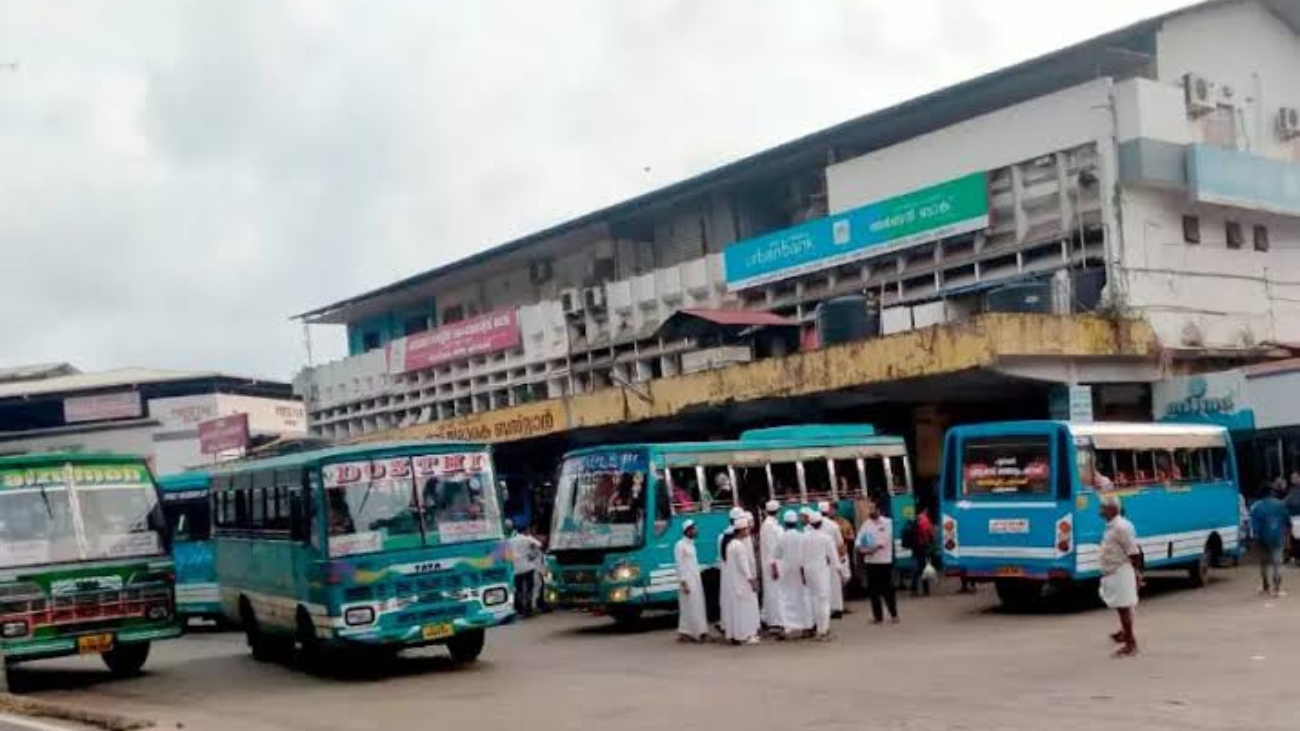
Connectivity upgrades will play a vital role in the transformation of this belt. A Feroke–Kallayi–Kadalundi Mobility Loop with electric buses, cycle lanes, walkable streets, and smart traffic systems can ease congestion and promote greener commuting. The Kozhikode–Feroke railway stretch can be enhanced with improved platforms, feeder services, and integrated ticketing. Smart logistics hubs on the outskirts can reduce freight traffic within town centres. By 2047, residents should be able to move fluidly across the belt using sustainable, efficient transport options.
Tourism integration presents one of the biggest opportunities for the region. A unified “Malabar Heritage and Nature Circuit” linking Feroke’s industrial history, Kadalundi’s bird sanctuary, and Kallayi’s timber heritage can attract visitors year-round. River cruises, cycling trails, heritage walks, cultural performances, and local cuisine festivals can enhance the tourism experience. Digital apps can guide tourists through bird-watching zones, pottery workshops, timber yards, and riverfront attractions with AR-based storytelling about trade, migration, ecology, and craft traditions.
Urban design improvements will be essential for accommodating growth while preserving character. By 2047, the belt can adopt river-sensitive planning—setback rules, flood-resilient building designs, elevated public spaces, and permeable pavements. Beautified waterfronts with gardens, seating areas, art installations, and well-lit walkways can make the riverbanks vibrant community spaces. Waste management reforms, decentralized composting units, plastic reduction campaigns, and greywater treatment systems can greatly reduce pollution entering the river.
Digital transformation must be embedded across sectors. Feroke’s industries can move to digital supply chains with IoT-based monitoring, automated pricing, and AI-driven quality checks. Kadalundi’s eco-tourism can benefit from online booking systems, digital guides, and biodiversity monitoring apps. Kallayi’s new materials hub can use digital design tools, e-commerce platforms, and blockchain-based timber certification for transparency. A unified digital governance system across the belt can manage water data, environmental indicators, public transport, disaster alerts, and municipal services.
Social inclusion must guide every development effort. Workers in traditional tile industries, fishing communities in Kadalundi, craft labourers in Kallayi, and migrant workers across the belt must all receive access to skill training, credit schemes, healthcare, and digital literacy. Women’s SHGs can lead value-added food production, handicrafts, ecotourism services, and wellness-based micro-enterprises. Youth must be encouraged to participate in innovation programs, creative industries, and environmental activism.
Environmental sustainability will anchor this 2047 vision. The rivers and wetlands of this belt are ecologically fragile, requiring strict protection. Mangrove forests, river buffers, wetland restoration, and pollution control must form the core environmental actions. Renewable energy adoption—solar rooftops, community solar grids, and biomass energy from industrial waste—can reduce carbon footprints. Climate-adaptive planning can create safer living conditions for future generations.
Kerala Vision 2047 ultimately positions the Feroke–Kadalundi–Kallayi belt as a unique synergy of nature, industry, and heritage. It becomes a northern powerhouse that balances sustainable manufacturing, ecological protection, cultural revitalization, and digital innovation. With coordinated planning, strong governance, and community participation, this belt can emerge as one of Kerala’s most dynamic economic and ecological landscapes—future-ready, culturally rich, environmentally resilient, and deeply rooted in its historic identity.
