
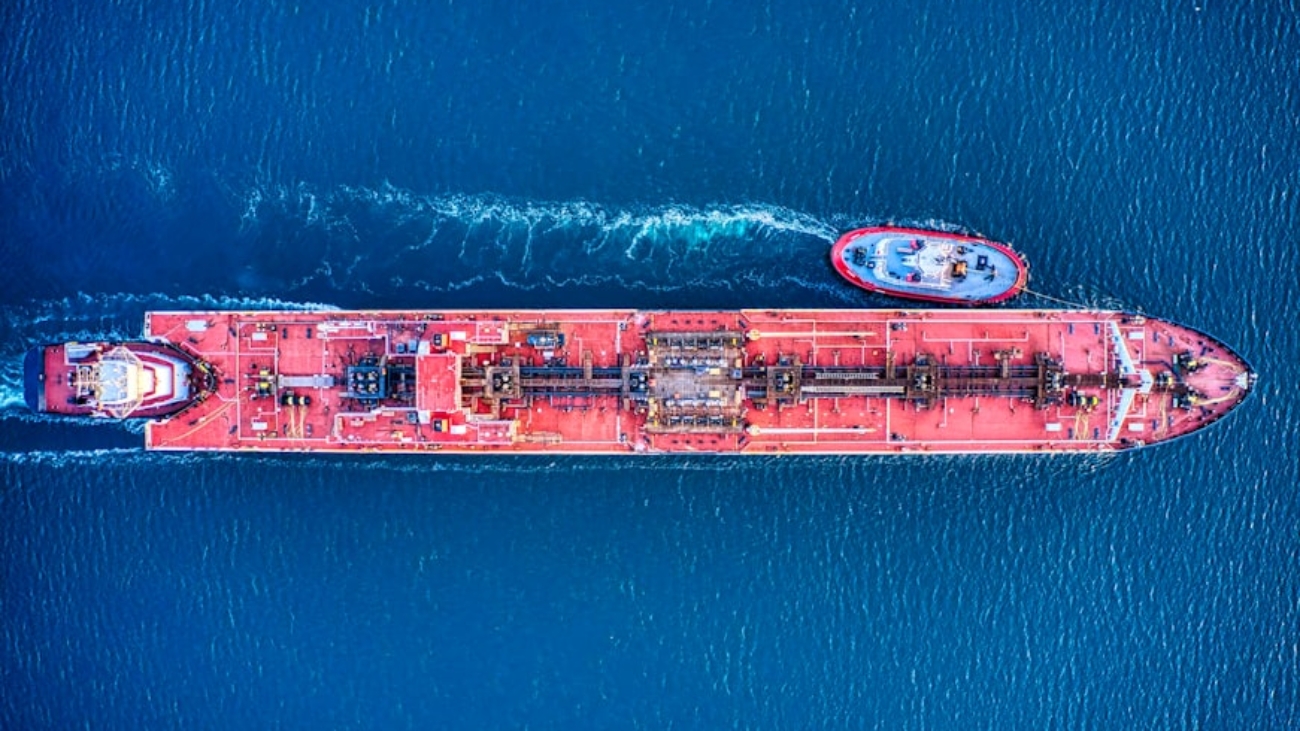
Kochi has always been one of India’s great maritime cities, a gateway linking the Indian Ocean to global trade routes. With the International Container Transshipment Terminal (ICTT) at Vallarpadam, Kerala possesses a strategically located deep-water facility that could place the state at the centre of global logistics. Yet, its potential remains underutilized due to limited scale, competition from Colombo and Dubai, infrastructure gaps, and regulatory bottlenecks. Kerala Vision 2047 imagines Kochi Port Trust and Vallarpadam not simply as ports, but as a fully integrated maritime metropolis—an engine of global commerce, innovation, blue economy development, and sustainable urban growth.
The first transformation lies in positioning Vallarpadam as a major transshipment hub. By 2047, India is expected to handle significantly larger cargo volumes, and Kochi must capture a substantial share of this growth. Deepening the channel, expanding berths, upgrading cranes, and enhancing container-handling automation are essential. Vallarpadam should operate as a 24×7 seamless logistics zone with AI-driven vessel scheduling, predictive maintenance for equipment, and integrated digital customs clearance. Improved connectivity to national freight corridors, especially through double-stacked rail, dedicated freight terminals, and expanded road networks, will enable speedy inland movement of cargo, reducing costs for exporters and importers.
A second pillar is the development of a Kochi Maritime Industrial City—an ecosystem surrounding the port that houses processing units, logistics companies, ship maintenance yards, blue economy startups, and marine technology research labs. Cluster-based planning allows related industries to co-locate, enabling faster turnaround times and job creation. Special Economic Zones, bonded warehouses, cold-chain hubs, packaging zones, and value-added processing units can turn Vallarpadam into a global logistics and manufacturing hub for seafood, spices, rubber products, electronics assembly, and pharmaceuticals.
Digital transformation will define the modern port’s competitiveness. By 2047, Kochi Port Trust can operate a unified Port Management Digital Twin—a real-time virtual replica that monitors vessel movement, weather patterns, cargo flow, and equipment performance. Blockchain-enabled trade documentation can eliminate paperwork delays and improve transparency. Machine-learning models can optimize container stacking, yard planning, and customs processes. Automated gates, RFID-based cargo tracking, and IoT sensors can make the port fully smart and operationally efficient.
Connectivity upgrades will be crucial for scaling the port ecosystem. Vallarpadam must be linked with industrial belts in Kochi, Thrissur, Palakkad, and Coimbatore through seamless multi-modal networks. A logistics corridor connecting ICTT to the Kochi–Bengaluru Industrial Corridor can attract industries looking for fast export routes. An Inland Water Transport (IWT) grid using barges along the National Waterway-3 can decongest roads and reduce carbon emissions. By 2047, cargo can move from port to warehouses, inland terminals, and city outskirts through electric trucks, automated guided vehicles, and green barges.
Blue economy expansion presents a massive opportunity. Kochi’s maritime ecosystem must move beyond traditional shipping to embrace ocean-based industries. Vallarpadam can host innovation labs researching aquaculture technologies, marine biotechnology, ocean energy, maritime robotics, and coastal protection systems. Offshore wind farms, algae cultivation, and deep-sea mineral research partnerships can build a diversified blue-economy cluster. The port can also develop a modern cruise terminal with seamless immigration services, encouraging Kochi to become a major cruise tourism hub.
Urban integration must be planned carefully. Ports across the world—Hamburg, Rotterdam, Busan—have integrated logistics with urban living through waterfront beautification, cultural districts, and mobility solutions. By 2047, Kochi’s waterfront can be redesigned with public promenades, maritime museums, green parks, bicycle lanes, and recreational spaces without disrupting port operations. Smart zoning can protect residential areas from noise and pollution while enabling the port to expand. EV charging stations, last-mile shuttles, and elevated corridors can reduce transport chaos around port surroundings.
Environmental sustainability is essential for a future-facing port. Vallarpadam must adopt a green-port model featuring shore-to-ship power to reduce vessel emissions, solar rooftops, wind micro-turbines, electric cargo-handling equipment, and rainwater harvesting systems. Waste oil, bilge water, and sewage from ships must be treated through advanced marine waste-management facilities. Mangrove rehabilitation along the backwaters can act as natural buffers against erosion and rising sea levels. By 2047, Kochi Port can become one of the greenest ports in the Indian Ocean region.
Coastal resilience must also be strengthened. With climate change increasing storm surge frequency, ports must adapt with elevated infrastructure, strengthened embankments, smart tide monitoring systems, and early-warning mechanisms. Vallarpadam’s container yards, rail links, and access roads must be climate-proofed through engineering and zoning solutions.
Global partnerships will accelerate the port’s journey. By aligning with leading port authorities such as Rotterdam, Singapore, Busan, and Dubai, Kochi can adopt best practices in digitalization, sustainability, and cargo optimization. Joint ventures with international shipping companies and logistics firms can bring expertise and investment, enabling Vallarpadam to compete effectively with Colombo and other regional hubs.
Human capital development is vital. The region must host maritime universities, skill academies, and training centres specializing in port operations, logistics management, naval architecture, marine engineering, and blue economy technologies. A “Kerala Maritime Skill Grid” can ensure that local youth are trained for high-value jobs in automation, robotics maintenance, international logistics, ship operations, and marine data science.
The surrounding communities must be active beneficiaries of port development. Fisherfolk settlements require modern fishing harbours, insurance schemes, alternative livelihood opportunities, and marine conservation support. Women’s groups can run auxiliary services—canteens, packaging units, craft markets, and digital service centres. Local entrepreneurs can leverage port activity to develop courier services, warehousing, cold storage units, and value-added product ventures.
Kerala Vision 2047 ultimately imagines Kochi Port Trust and Vallarpadam as the maritime heart of a future Kerala—globally connected, technologically advanced, environmentally sustainable, and economically transformative. With strategic investments, bold policy shifts, and unified planning, the port can evolve into South Asia’s premier logistics hub, driving prosperity for Kerala and shaping India’s maritime future.
