
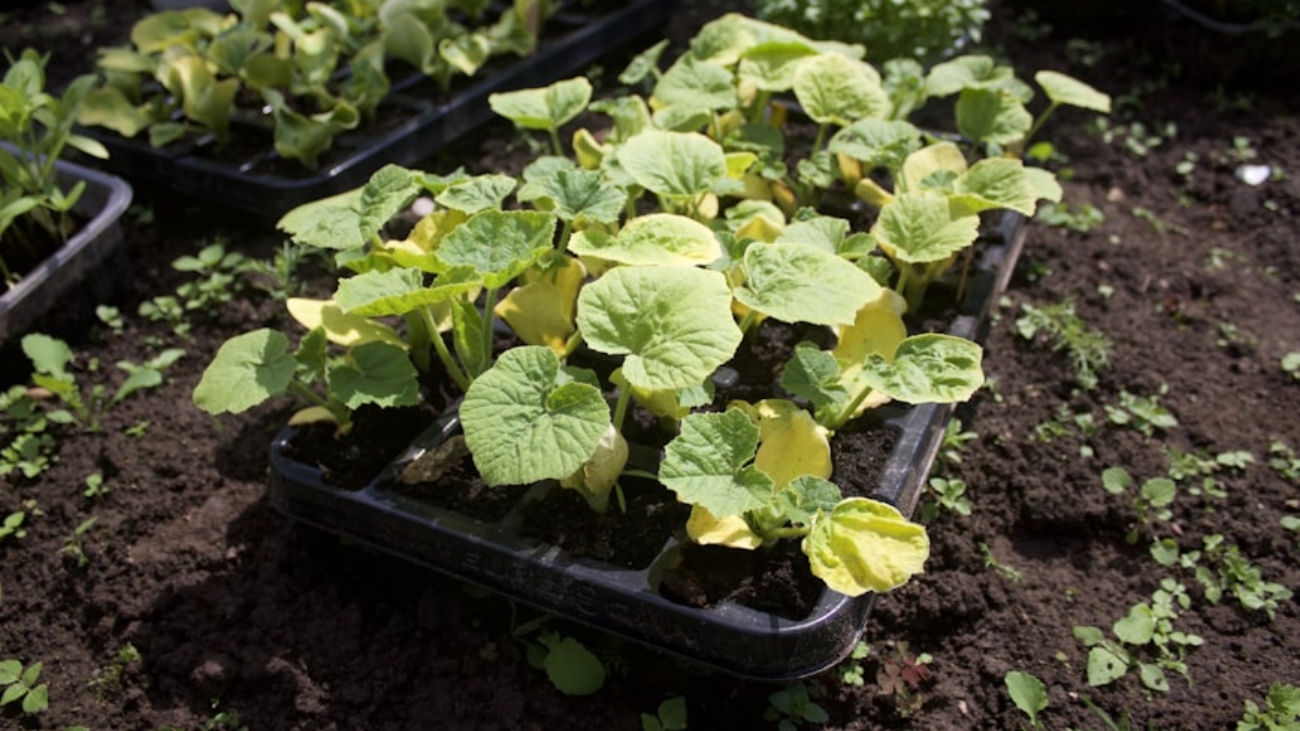
Urban agriculture will be one of Kerala’s most powerful policy tools by 2047—a structural response to food insecurity, climate instability, rising urbanisation, and dependence on external markets. Kerala currently imports more than 70 percent of its vegetables and staples from outside the state. As supply chains become vulnerable to floods, droughts, fuel price shocks, and interstate disruptions, the state must build its own urban food production capacity. Kerala Vision 2047 proposes a comprehensive policy framework that transforms cities into productive, decentralized, and climate-smart food systems.
The foundation of this policy vision is the concept of Urban Food Sovereignty—the right of every city to produce a meaningful share of its own food. By 2047, Kerala aims for at least 30 percent of vegetables consumed in urban areas to come from city-based farms. This is not merely an agricultural goal; it is an urban planning paradigm shift. Cities must be designed as agro-ecological systems where every street, rooftop, balcony, public building, and water body becomes a productive asset.
The policy begins with zoning reforms. Municipal master plans must designate Urban Agriculture Zones (UAZs), covering rooftops, institutional lands, public open spaces, and peri-urban fringes. These zones receive legal protection, preventing conversion to non-agricultural use. Building rules can mandate 10–20 percent rooftop farming areas in new apartments, commercial complexes, and public buildings. Flyovers, medians, and unused government lands can be converted into edible green corridors managed by community groups.
A second key policy pillar is Institutional Food Production Mandates. All government institutions—schools, hospitals, offices, police stations, courts, and local bodies—must allocate space for vegetable gardens, aquaponics units, or medicinal plant cultivation. By 2047, every school can have a curriculum-integrated farm, every hospital can grow Ayurvedic herbs, and every local body can manage at least one large community farm. These institutional farms become living laboratories for ecological education and public health improvement.
The third policy pillar focuses on community-led farming ecosystems. Ward-level community gardens, women’s SHG-operated food parks, migrant-inclusive farming zones, and senior-citizen farming groups can form the backbone of urban food production. Municipalities must provide land, compost, water access, fencing, training, and market linkages. Community gardens become neighbourhood assets strengthening social ties and reducing household food expenses.
A fourth pillar is the Urban Right to Grow Policy, which empowers citizens to farm legally on public land through licences, shared agreements, or cooperatives. Vacant plots, roadside areas, and government-owned unused land can be temporarily allocated for food production. This creates employment, beautifies neighbourhoods, and prevents illegal dumping.
Technology must become the engine of this transformation. By 2047, Kerala can establish Urban Agri-Tech Innovation Hubs in major cities, supporting startups in hydroponics, aeroponics, vertical farming, rooftop greenhouse design, smart irrigation, IoT sensors, and nutrient recycling systems. These hubs can offer incubation, grants, and testbeds, making Kerala a leader in climate-smart agriculture. The government can subsidize hydroponic units, home farming kits, automated composters, and LED grow systems, reducing entry barriers for households and small enterprises.
A circular economy approach is essential. Kerala’s urban organic waste—currently a burden—must be converted into biological wealth. Municipalities can implement Waste-to-Food Policies requiring segregation, composting, and neighbourhood-level organic fertilizer production. Biogas plants in markets, fish vending areas, and residential clusters can generate energy while producing nutrient-rich slurry for farms. This closes the nutrient loop and strengthens ecological balance.
Water security policies must also align with urban agriculture. Rooftop rainwater harvesting can become mandatory for buildings over a certain size, with incentives for greywater recycling systems. Cities like Kochi, Thrissur, and Alappuzha can promote floating agriculture in flood-prone areas. Micro-irrigation—drip, wick systems, misting—reduces water demand while increasing productivity.
To strengthen market linkages, Urban Farmer Networks can be formed to aggregate produce, negotiate prices, and sell directly to consumers through weekly markets, digital platforms, and cooperative stores. Urban agriculture cooperatives can help farmers access seeds, technology, compost, and training while ensuring fair pricing.
Nutrition security policies can connect urban farms to anganwadis, school mid-day meal programmes, and public health campaigns. Fresh greens, herbs, and vegetables grown locally can improve dietary diversity, reduce lifestyle diseases, and support maternal and child health.
By 2047, Kerala can introduce Urban Food Resilience Indices for each city—measuring the percentage of food grown locally, water efficiency, waste recycling, green coverage, and vulnerability to supply disruptions. Cities can be ranked and incentivized to improve their performance annually.
Local governments must take a leadership role. Municipalities need dedicated Urban Agriculture Departments staffed with agronomists, planners, and community coordinators who oversee zoning, training, waste management, and innovation programmes. Urban farmers can receive identity cards, subsidies, crop insurance, and disaster compensation similar to rural farmers.
Public awareness campaigns—media programmes, school competitions, social media challenges, and celebrity endorsements—can transform urban farming into a cultural movement rather than a niche activity. Kerala’s historical parambu krishi tradition becomes modernised, revived, and reinterpreted for a new generation.
Finally, resilience planning must integrate food systems into disaster management. Floods, cyclones, epidemics, and market shocks can disrupt food supply chains. Decentralized urban agriculture ensures every neighbourhood can produce essential greens, reducing vulnerability and enhancing self-reliance.
Kerala Vision 2047 thus positions urban agriculture as both a policy mandate and a social mission. It blends ecological wisdom, technological innovation, economic empowerment, and community participation into a unified food security framework. By turning cities into productive landscapes and empowering citizens as growers, Kerala can become India’s leading model of urban food sovereignty—resilient, equitable, and prepared for an uncertain climate future.
