
Kerala’s electricity sector stands at a crossroads in 2025. On one side lies the legacy system built on monsoon-dependent hydropower and ageing equipment, operating with a mindset shaped decades ago. On the other side lies the vision for 2047, where Kerala must function with a power system that is robust, diversified, data-driven, and technologically advanced enough to support a high-growth, low-carbon economy. The truth, however uncomfortable, must be acknowledged: continuing to rely on unpredictable monsoons and outdated infrastructure is a form of self-sabotage. It restricts Kerala’s economic potential, weakens grid reliability, increases financial stress on KSEB, and leaves the state vulnerable to climate variability. Kerala Vision 2047 demands a decisive break from this outdated model and the creation of an energy ecosystem that can sustain growth, resilience, and innovation for generations to come.
Monsoon dependence was once logical. Kerala’s geography blessed the state with abundant rainfall and powerful rivers, enabling a hydropower-led energy system for decades. But climate change has made monsoons inconsistent, delayed, uneven, and often extreme. Relying on rainfall patterns to determine electricity availability is no longer engineering; it is gambling. Kerala has already faced years where reservoirs failed to fill adequately, forcing KSEB to depend heavily on expensive power purchases from the national grid. At other times, heavy rainfall creates excess spillage, reflecting an inability to store and convert water resources efficiently. Such unpredictability creates both physical and financial instability. Hydropower will remain important, but treating it as the backbone of the state’s energy security exposes Kerala to risks no modern power system should tolerate. By 2047, Kerala must reposition hydropower as a balancing resource rather than the foundation of the grid.
Outdated equipment compounds this vulnerability. Much of Kerala’s transmission and distribution infrastructure has exceeded its design life. Transformers run overloaded, conductors suffer from poor insulation, mechanical relays delay fault isolation, and old switchgear increases the risk of catastrophic failures. These inefficiencies increase technical losses, reduce power quality, and create unpredictable outages that affect industries, hospitals, data centres, and households. Continued dependence on ageing assets drains KSEB’s finances, as maintenance costs rise faster than revenue improvements. Operating a 21st-century economy with 20th-century equipment is a contradiction that Kerala can no longer afford.
Kerala Vision 2047 is the opportunity to redefine the state’s power sector into a model of modern engineering excellence. The path forward begins with diversification. Kerala must aggressively expand solar energy, particularly decentralised rooftop systems, floating solar installations on reservoirs, canal-top solar structures, and community-level microgrids. These systems reduce dependence on monsoons and distribute generation closer to consumption points, lowering transmission losses. By 2047, Kerala should aim for at least half of its electricity to come from solar, supported by intelligent inverters, smart controllers, and battery storage to smooth intermittency. A decentralised solar ecosystem also empowers consumers, lowers household expenses, and strengthens energy independence at the local level.
Beyond solar, Kerala must scale its renewable horizons. Offshore wind potential along the coast can become a year-round generation source, complementing solar production patterns. Energy storage must become a statewide priority. Advanced lithium, sodium, and flow battery systems, along with pumped storage upgrades at existing dams, can create a dynamic grid capable of absorbing surplus renewable energy and releasing it during peak hours. By 2047, storage must be integrated into every major renewable installation, government facility, and critical infrastructure node. With adequate storage capacity, Kerala reduces pressure on hydropower and eliminates the need to overdepend on reservoir levels during monsoon shortfalls.
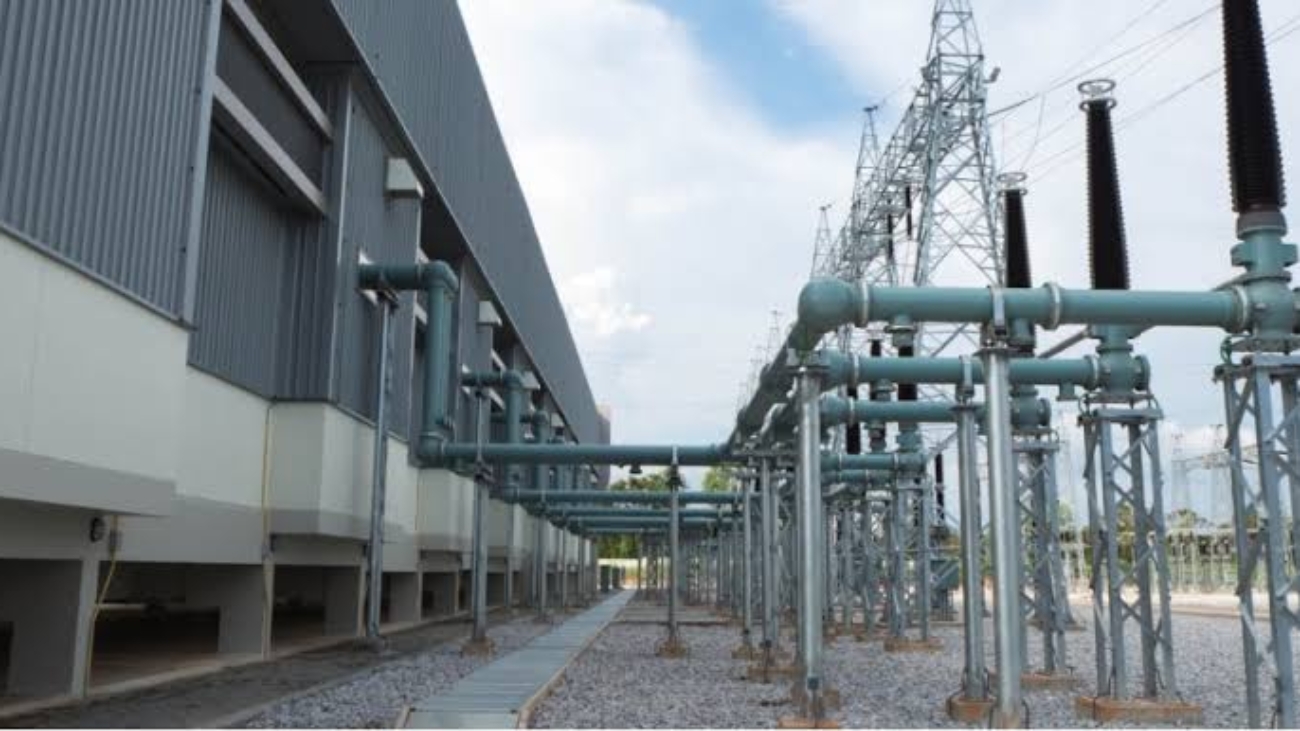
Modern equipment is equally important in ending self-sabotage. Replacing outdated transformers with smart transformers that monitor thermal behaviour, load, and internal conditions will dramatically reduce outages and extend equipment life. High-temperature low-sag conductors can increase line capacity without building new corridors. Automated reclosers, sectionalizers, and digital relays can isolate faults within milliseconds, preventing widespread blackouts. Substations must shift to gas-insulated switchgear, digital protection systems, and remote-controlled operations. Underground cabling must expand in urban centres, reducing storm-related disruptions and improving grid reliability. By 2047, every major city must operate on a fully automated distribution system capable of self-healing responses to faults.
Hydropower itself must be modernised rather than abandoned. Kerala should invest in real-time hydrological modelling, automated reservoir management, fish-friendly turbines, and silt control technologies. Modernising hydropower allows it to function as an agile balancing resource alongside solar and wind rather than a vulnerable primary source. This integration creates a flexible, layered grid rather than a fragile, monsoon-dependent one.
Data-enabled monitoring is the invisible foundation of all these reforms. A future-ready KSEB must operate with complete grid visibility across generation, transmission, and distribution. SCADA systems must be expanded statewide, and every substation must be equipped with IoT sensors that feed data to central control centres. Predictive analytics must replace manual judgement in maintenance scheduling, load forecasting, and fault detection. Artificial intelligence can model peak demand behaviour, optimise power purchase decisions, and identify equipment at risk of failure. With real-time visibility, KSEB can transition from a reactive utility to a predictive, proactive organisation.
Financial restructuring is also essential. Monsoon dependence and outdated equipment have direct fiscal consequences: higher technical losses, greater maintenance costs, unreliable service affecting industrial growth, and steep procurement expenses during shortages. Kerala must strengthen KSEB through long-term capital planning, green bonds, public–private partnerships for grid upgrading, and transparent accounting practices. A financially strong KSEB is better equipped to invest in future technologies and maintain system discipline.
Culturally, KSEB must embrace a new engineering ethos. Kerala cannot reach 2047 with a mindset that tolerates outdated assets, slow upgrades, or complacency in system planning. The organisation must cultivate internal excellence, encourage younger engineers to innovate, reward modernisation efforts, and move decisively away from the inertia of outdated operational culture. Training in grid automation, renewable integration, cybersecurity, and advanced power electronics must become continuous rather than one-time.
Kerala Vision 2047 is ultimately about dignity, reliability, and preparedness. Relying on monsoons for electricity is a relic of another century. Continuing to use outdated equipment when modern alternatives exist is a choice that damages Kerala’s economic aspirations. Ending these forms of self-sabotage is not just necessary but non-negotiable. By 2047, Kerala must operate a power system that is resilient to climate variability, independent of seasonal uncertainties, technologically sophisticated, and aligned with global best practices. A KSEB that embraces modern energy science rather than outdated dependency will be the backbone of a stronger, smarter, and more confident Kerala.
