
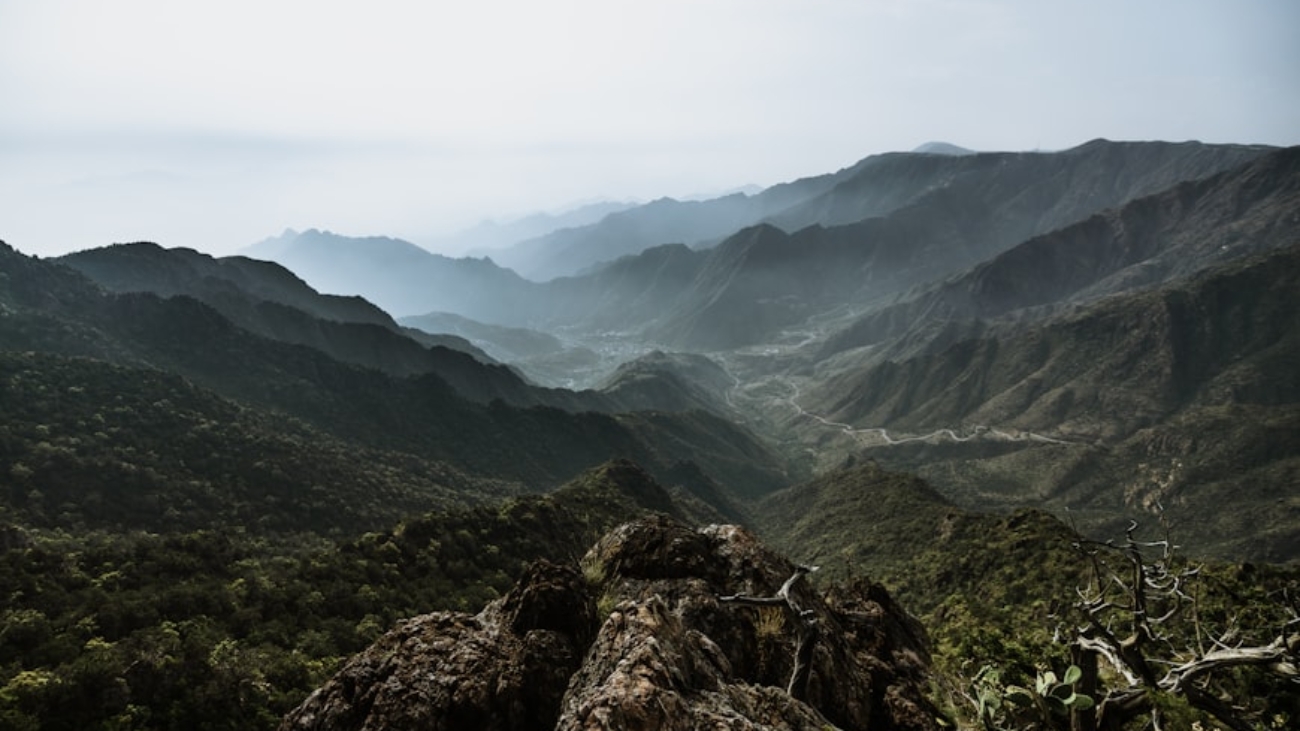
Kerala’s high-range districts—stretching from Idukki to Wayanad, from the Ghats of Pathanamthitta to the fragile slopes of Malappuram—carry a rare dual identity. They are the ecological lungs of the state and also the most disaster-prone. The monsoon tragedies of 2018, 2019, and 2020 were not accidents of nature; they were structural vulnerabilities exposed under extreme stress. As Kerala looks towards 2047, the centenary of India’s independence, one fact stands clear: the future of the state depends on the safety, sustainability, and resilience of its high-range habitats. A new vision must emerge that goes beyond compensation and temporary relief, toward a long-term re-engineering of how people live, farm, commute, and build in the mountains.
Kerala Vision 2047 requires rethinking disaster resilience not merely as a technical matter but as a civilisational shift in attitude. The high ranges are no longer remote hinterlands; they are tightly connected production and tourism ecosystems that feed the state’s economy. Cardamom, coffee, pepper, hydropower, ecotourism, tribal livelihoods, and wildlife all converge here. But so do landslides, flash floods, slope failures, soil erosion, and rapid habitat loss. By 2047, a new habitat model must transform these regions into safe, smart, ecologically aligned spaces that respect the terrain while enabling human prosperity. This calls for a strategy rooted in science, guided by community participation, and executed with uncompromising discipline.
The first pillar of a resilient high-range Kerala is risk-sensitive land planning. A blanket approach to development cannot work in steep terrains where every slope has its own geological story. Kerala must adopt micro-zonation mapping for all high-range panchayats, identifying green, yellow, and red zones at a 5-metre resolution. In such a system, green zones allow regulated construction, yellow zones demand engineering safeguards, and red zones require strict construction bans. This approach must become enforceable through a modern land-use governance law. But mapping alone is not enough; people need to be empowered with this knowledge. Every household should have access to a simple risk certificate for their land, similar to how property buyers check for encumbrances. By 2047, no construction in high-risk areas should occur without explicit environmental and engineering clearance.
The next critical priority is safe relocation and humane resettlement. Kerala has often struggled with moving families out of danger zones, not because of unwillingness but because relocation has been handled as a temporary arrangement rather than a generational solution. For high-range districts, Kerala Vision 2047 must establish a permanent Relocation Guarantee Scheme. Under this, any household in a certified red zone should get a dignified housing package, clear land title, and access to livelihoods, schooling, and healthcare in the new settlement. This must be seen not as compensation but as an investment in preventing human loss. A stable relocation framework will help break the cycle where families return to unsafe areas due to emotional or economic constraints.
A resilient high-range Kerala also depends on engineering discipline and modern infrastructure. Roads, bridges, hill highways, hydropower tunnels, drains, and retaining structures must all follow new-generation engineering standards designed for dynamic rainfall events. By 2047, every high-range road must have intelligent slope monitoring systems—sensors embedded in hillsides that continuously read soil pressure, water infiltration, and potential slip zones. These sensors, connected to district emergency centres, will allow preventive evacuation and pre-emptive road closures, saving lives. The PWD must transition from a repair-and-rebuild culture to a predict-and-prevent model. Ropeway links, geocell-based reinforcements, bio-engineered slopes, and tunnel-first connectivity for key bottlenecks can reduce the frequency of road damage and ensure round-the-year mobility.
Another major goal is flood and drainage resilience. The high ranges act as Kerala’s water towers, releasing water into rivers that flow to the lowlands. When the upper catchments fail to absorb or slow down rainfall, catastrophic flooding occurs downstream. Vision 2047 must therefore revive natural water storage systems—sholas, grasslands, ponds, check dams, bamboo walls, and percolation trenches. Every panchayat must implement 100 micro-watershed restoration projects. These measures reduce runoff, increase groundwater, and stabilise slopes. In tandem, valley regions must have smart drains that can handle peak rainfall without overflowing. The future of Kerala’s flood safety is inseparable from how it treats its high-range hydrology.
Disaster resilience is also deeply connected to community capacity building. The high ranges are home to tribal communities, plantation workers, farmers, tourist guides, and small business owners, all of whom play frontline roles during crises. Kerala Vision 2047 must train at least one member of every household in basic disaster response—first aid, early warning interpretation, evacuation protocols, and slope safety identification. Panchayats should operate local resilience centres equipped with communication tools, emergency equipment, and community shelters. A well-prepared local population is the strongest defence against rapid-onset disasters.
Empowering youth with technology also plays a key role. A High-Range Climate Technology Corps can be established where trained young people monitor weather stations, manage drone surveillance of landslide zones, operate GIS dashboards, and coordinate with district authorities. This creates jobs while enhancing safety. Schools in high-range districts should introduce climate literacy modules so that the next generation grows up understanding their unique terrain and its risks.
A resilient Kerala must also rethink its agriculture and plantation economy. Soil erosion, unscientific terracing, and chemical overuse weaken slopes. Vision 2047 must shift farmers toward climate-resilient crops, contour farming, terraced agroforestry, and organic soil-binding practices. Incentives can be offered for planting deep-rooted species and maintaining vegetation buffers around streams. Plantation companies should be mandated to conduct annual slope stability audits. The more the soil is protected, the fewer the landslides—and the more secure the livelihoods.
Finally, the long-term success of disaster-resilient habitats depends on governance discipline. Kerala needs an empowered Western Ghats Safety Authority with the power to enforce zoning, monitor construction, regulate tourism, and coordinate disaster response across departments. Transparent data dashboards must be available to the public, showing rainfall patterns, slope risks, and environmental compliance. Accountability must move from committees to enforceable systems.
By 2047, Kerala has the opportunity to become a global model of how human settlements can coexist with fragile mountains. This vision is not about restricting development but about enabling smart, safe, and ecologically intelligent growth. The high ranges are one of Kerala’s greatest assets, and protecting them is not just an environmental responsibility—it is a political, economic, and social imperative. A safer high-range Kerala is the foundation of a stronger, more resilient Kerala.
