
Wayanad is Kerala’s most ecologically vibrant district — a high-range plateau shaped by forests, tribal communities, spices, coffee, wildlife corridors and monsoon-rich landscapes. Today, its formal economic output is modest, estimated at ₹8,000–9,500 crore, despite having some of Kerala’s strongest natural and cultural assets. By 2047, with a disciplined, data-driven approach, Wayanad can evolve into a ₹35,000–40,000 crore sustainable highlands economy built on four pillars: premium agro-value chains, eco–adventure tourism, tribal-led enterprises, and climate-resilient farming and wellness industries.
The first and most important economic engine for Wayanad is agriculture and plantation value addition. The district produces large quantities of coffee, pepper, cardamom, banana, ginger, turmeric and vegetables. Yet more than 75 percent of this produce leaves the district in raw form. Wayanad’s current agro-sector, worth approximately ₹4,000 crore, can triple in value through scientific processing and niche branding by 2047. The district must create three high-altitude Agro-Tech Clusters specialising in coffee curing, spice grading, essential oil extraction, medicinal plant processing and organic food manufacturing. Modern roasting units, bulk-drying facilities, humidity-controlled warehouses and blockchain traceability systems can increase farmer incomes by 30–40 percent while reducing post-harvest losses from 10 percent to below 3 percent. A “Wayanad Single Origin Coffee & Pepper” certification, targeted at Japan, Europe and the US, can elevate export earnings to ₹3,000–4,000 crore annually by 2047.
A second powerful pillar is tourism — particularly eco, adventure and wellness tourism. Wayanad’s tourism economy today generates around ₹1,500–2,000 crore, centred on wildlife sanctuaries, hills, waterfalls and homestays. By 2047, with regulated carrying capacity, digital visitor management, improved road access, curated forest trails and wildlife-buffer experiences, tourism can become a ₹8,000–9,000 crore sector. The district can stabilise annual tourist arrivals at 30–35 lakh while increasing per-capita tourist spending from the current ₹3,500–₹4,000 to ₹10,000–12,000. Wellness tourism offers immense potential: yoga retreats, ayurveda healing centres, forest bathing trails, and silence retreats can together create a year-round visitor economy. Climate-controlled eco-lodges, ropeway transport in designated corridors, and night-safari experiences (within scientific limits) can enhance value without stressing the ecology.
The third pillar is tribal enterprise and skill development. Nearly 20 percent of Wayanad’s population belongs to Scheduled Tribes — Kerala’s highest proportion. Tribal communities produce honey, handicrafts, millet, medicinal herbs and natural products. Today, the tribal economy contributes less than ₹300 crore, but with structured procurement, processing collectives, price assurance systems and digital marketplaces, this can rise to ₹2,500–3,000 crore by 2047. Establishing a Wayanad Tribal Products Authority can ensure fair pricing, scientific training, and global branding of items like wild honey, bamboo crafts, millet snacks and herbal products. Tribal-led homestays and cultural circuits — storytelling, music, food trails and forest skill demonstrations — can deepen tourism value while ensuring direct income generation.
A fourth engine for Wayanad’s future lies in climate-resilient agriculture and high-value horticulture. The district is highly vulnerable to climate change, with landslides increasing over the last decade. Precision weather forecasting, AI-based landslide prediction, soil moisture sensors and contour-based water management must shape Wayanad’s farming transformation. By bringing 25,000–30,000 hectares under drip irrigation, polyhouses, mushroom farming, cut flowers and temperate vegetables, Wayanad can add ₹2,000–3,000 crore to annual agricultural output by 2047. A shift toward climate-resilient crops — black pepper hybrids, disease-resistant coffee varieties, and high-altitude fruits — will reduce losses and stabilise farmer incomes.
Infrastructure development is central to realising Wayanad’s goals. The district’s hilly terrain and rainfall demand climate-proofed connectivity, not conventional roads. By 2047, Wayanad must build 200 km of weather-resilient corridors linking Mananthavady, Kalpetta, Sulthan Bathery, Meppadi and Pulpally. Smart landslide sensors, real-time rain alerts and automated closure–diversion systems can reduce travel disruptions by 40 percent. Improved interstate connectivity with Mysuru, Kozhikode and Kannur is vital for both tourism and agricultural export. An integrated hill logistics network — including pack-houses, reefer vans, satellite procurement centres and farmer-producer digital grids — can reduce logistics cost by 20 percent, making Wayanad’s produce competitive globally.
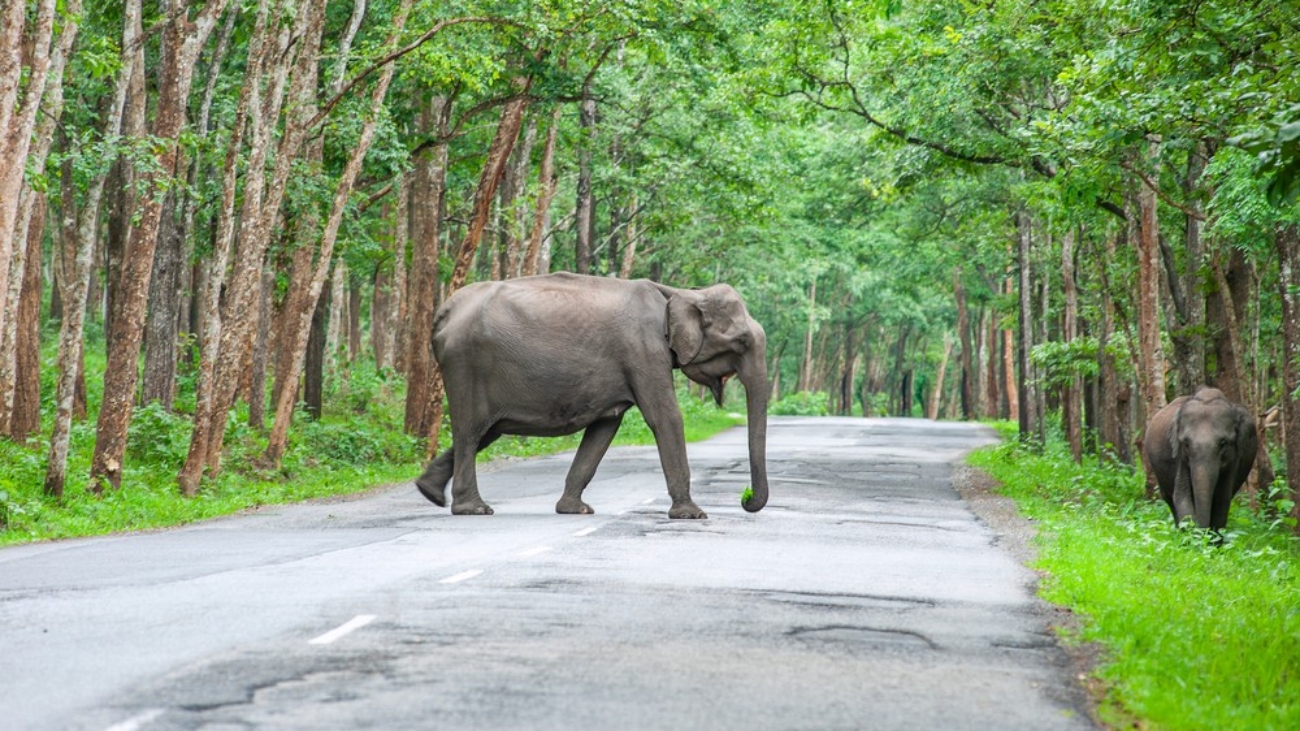
Water and climate management are equally critical. Wayanad forms the upper watershed for major river systems, yet faces both water scarcity in summer and flood risks during monsoon. By 2047, the district needs micro-reservoir revival, lake desilting, and contour bunding across at least 40 percent of agricultural land. Digitised watershed dashboards can track rainfall, lake levels and soil saturation, reducing disaster intensity by 30 percent. Eco-restoration zones along elephant corridors can reduce human–wildlife conflict by 25 percent, improving safety and preserving biodiversity.
Human capital development is the backbone of Wayanad’s 2047 vision. The district must train 1 lakh skilled workers in eco-guiding, agro-processing, roasting technology, ayurveda wellness therapies, hospitality, disaster management and biodiversity sciences. Skill hubs in Bathery, Kalpetta and Mananthavady can offer year-round professional courses with 70–80 percent local placement. Digital literacy and entrepreneurial training for tribal youth can unlock new micro-enterprises that scale organically.
Healthcare modernisation is another crucial requirement. Currently, Wayanad has fragmented healthcare capacity, forcing many residents to travel to Kozhikode or Mysuru. By 2047, the district must develop a Highlands Medical Hub, specialising in trauma care (critical in hilly regions), tropical medicine, ayurveda rehabilitation and palliative care. With telemedicine and mobile clinics, healthcare access can improve across remote tribal belts.
Digital governance and data systems must anchor every sector. A Wayanad Sustainability Dashboard can provide live data on landslide risk, rainfall intensity, tourist load, forest health, commodity prices and footfall at sensitive zones. These indicators will enable rapid government response, reduce ecological pressure, and guide visitor management. A district-level carbon budget can monitor emissions from transport, tourism and industry, keeping Wayanad aligned with Kerala’s climate commitments.
If executed with discipline and measurable KPIs, Wayanad can achieve the following outcomes by 2047:
• Total district output rising from ~₹9,000 crore to ₹40,000 crore.
• Agro-value chains expanding to ₹15,000 crore.
• Eco-tourism and wellness tourism generating ₹8,000–9,000 crore.
• Tribal enterprises contributing ₹3,000 crore.
• Horticulture and climate-resilient crops reaching ₹3,000 crore.
• Logistics, hospitality and allied services adding ₹6,000–7,000 crore.
• Creation of 2–2.5 lakh new jobs.
Wayanad’s future is rooted in its landscape, people and ecology. Kerala Vision 2047 demands a district that grows without losing its soul — one that becomes India’s model highlands economy where agriculture is scientific, tourism is ecological, tribal culture is respected and valued, and development enhances rather than damages the environment. Wayanad can emerge as Kerala’s green crown — prosperous, resilient, inclusive and globally distinctive.
