
Punalur taluk, positioned at the eastern edge of Kollam district and historically known for its iconic paper mill, hilly terrain and forest-linked economy, is uniquely placed to lead Kerala’s inland industrial revival by 2047. Its geography—bridging the highlands of Achencoil, the plantation belts of Aryankavu and the river-fed valleys closer to the plains—gives it the raw materials, land availability and transport connectivity required for a modern manufacturing ecosystem. With a projected population of 6–6.5 lakh and a working-age population nearing 3.8 lakh by 2047, Punalur can evolve into a ₹10,000–₹11,500 crore manufacturing economy, far beyond the fragmented and legacy industries it hosts today. This transformation requires anchoring new industries around agro-resources, green materials, machinery, renewable components and circular manufacturing.
The revival and modernisation of wood-based and fibre-based industries form the first anchor of Punalur’s future. The region’s historical association with wood processing can be updated into a Green Timber, Bamboo and Engineered Materials Cluster that respects ecological norms while enabling high-value production. With advanced kiln-drying systems, CNC machining, laminated veneer lumber (LVL) production, and bamboo composite engineering, Punalur can emerge as Kerala’s leader in sustainable construction materials. By 2047, the cluster can generate ₹2,000–₹2,500 crore in annual turnover while creating 15,000–18,000 direct jobs. Demand for prefab housing components, interior panels, eco-friendly furniture, and engineered bamboo structures will rise significantly as Kerala transitions toward low-carbon construction. With regulated sourcing from forest peripheries and community-based bamboo cultivation, Punalur can support an output of 30,000 tonnes of engineered materials annually.
Alongside green materials, Punalur has a strong agricultural and plantation base that can anchor a Highland Agro-Processing and Functional Foods Park. Bananas, plantains, pepper, ginger, medicinal plants, jackfruit and tubers dominate the region. A 25-acre facility equipped with dehydration tunnels, freeze-drying plants, spice distillation units, fruit pulping lines and ready-to-cook processing centres can handle 1,10,000 tonnes of raw produce annually. By 2047, this cluster alone can contribute ₹1,600–₹1,800 crore to the local economy and create 12,000–15,000 direct jobs. Kerala’s export markets for minimally processed foods, snacks, functional drinks and nutraceutical blends are expanding steadily, giving Punalur a strong foothold in premium food-tech manufacturing. With AI-enabled quality grading, cold-chain consolidation and traceability systems, Punalur can become an important supplier for Kerala’s major retail chains and Gulf markets.
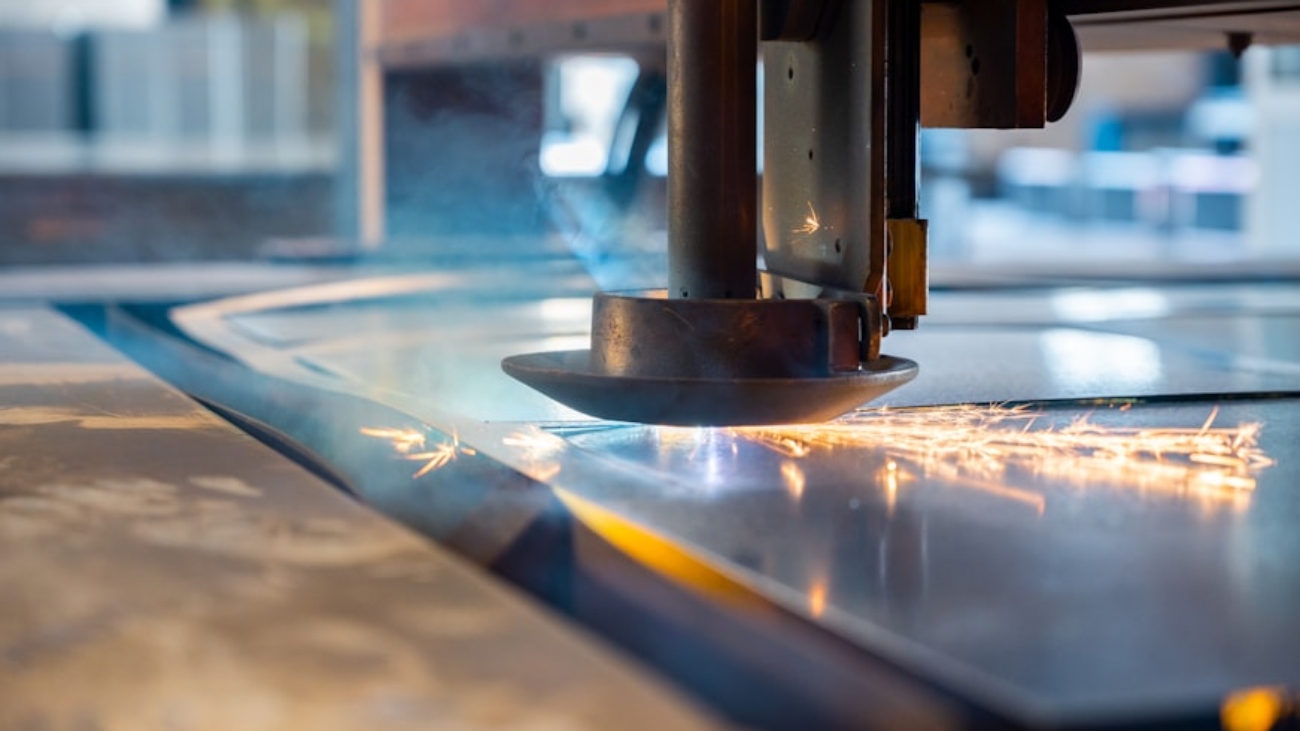
A third key pillar is the creation of a Machinery, Tools and Rural Industrial Equipment Cluster. The hilly terrain and agricultural character of the region require a variety of small-scale machinery—pepper threshers, grinders, coconut processing units, micro-hydro components, dryers, small pumps, and eco-brick units. Punalur can specialise in manufacturing these categories by building a 20-acre machinery hub housing welding units, CNC workshops, metal forming lines, industrial design studios and materials testing labs. By 2047, the taluk can generate ₹1,000–₹1,200 crore in annual output and support 10,000 direct jobs, much of it for returning Gulf workers with technical expertise. This cluster can also manufacture components for Kerala’s renewable-energy push, including brackets, mounts, micro-inverter casings and battery enclosures.
The renewable industry will become another pillar. Punalur’s proximity to the Tamil Nadu border and to the wind corridors of Shencottah gives it a logistical advantage for producing small wind turbine components, solar mounting kits, charge controllers and hybrid renewable system enclosures. Even with modest land requirements, the taluk can achieve ₹1,000 crore annual turnover in renewable components by 2047. This cluster will require skilled technicians and automation-trained workers, which aligns well with the region’s young population and large pool of technically experienced migrant returnees.
Given Punalur’s greenery, medicinal plant presence and eco-tourism potential, a Herbal, Ayurveda & Natural Products Manufacturing Zone can also be developed. With GMP-certified units producing balms, herbal cosmetics, botanical extracts, nutraceutical powders, respiratory blends, oils and soaps, the taluk can build a ₹700–₹900 crore ecosystem. By 2047, this zone can support 8,000 jobs—many suited for women—while linking highland cultivators directly to processing units.
A decisive step in enabling all sectors is the establishment of a Central Inland Logistics & Storage Park near Punalur town, leveraging the improved Kollam–Sengottai road connectivity and broad-gauge railway access. The park must include 40,000 pallet spaces in bonded warehouses, 4,000 tonnes of cold storage, digital freight platforms, packaging yards and a materials-handling zone. With these facilities, the current logistics penalty of 12–15 percent can be brought down to 6–7 percent, saving manufacturers an estimated ₹250–₹350 crore annually by 2047. This logistics backbone will connect Punalur’s industries to Kollam port, Vizhinjam port, and domestic urban markets.
Human capital is the most important determinant of Punalur’s industrial future. By 2047, the taluk must train 8,000 technicians, 5,000 diploma graduates and 15,000 skilled workers every year across machining, polymer technology, food engineering, bamboo engineering, renewable systems maintenance, industrial automation and quality control. Establishing a Highland Skills & Industrial Technology Institute (HSITI) in Punalur can consolidate training, certification, testing and industry partnerships. As thousands of Gulf-return workers continue to resettle in the region, the institute can offer fast-track reskilling to convert migration experience into micro-enterprises and supervisory roles.
Digitalisation will drive competitiveness. A Punalur Manufacturing Digital Grid should interconnect 1,200 enterprises across agro-processing, materials, machinery and herbal products. Shared machine booking, digital procurement pools, AI-based inspection tools, production scheduling platforms and export compliance support can increase productivity by 20–25 percent across the taluk. This network enables even tiny units to meet global standards, participate in supply chains and reduce wastage.
Sustainability must remain at the core of this transformation. By 2047, at least 70 percent of industrial power in Punalur must come from renewable sources—rooftop solar, small solar farms, micro-hydro channels and wind-solar hybrid systems. Water reuse must reach 80 percent, and all clusters must adopt zero-liquid-discharge policies. A circular industrial park capable of processing 20,000 tonnes of bamboo waste, timber waste, rubber scrap and agro-residue can feed recycled materials back into green construction, pelletisation, bioenergy and composite manufacturing. These systems will protect the ecology while ensuring stable raw material flows for industries.
If implemented with discipline, Punalur taluk can become a model for highland industrialisation in Kerala. With ₹10,000–₹11,500 crore in annual manufacturing output, more than 70,000 direct jobs, and deep circularity across wood, food, machinery and renewable sectors, the taluk can emerge as the eastern economic engine of Kollam district. Punalur’s evolution from a single-mill legacy town into a diversified, innovation-friendly, sustainable manufacturing hub would redefine Kerala’s possibilities for inland industrial growth by 2047.
