
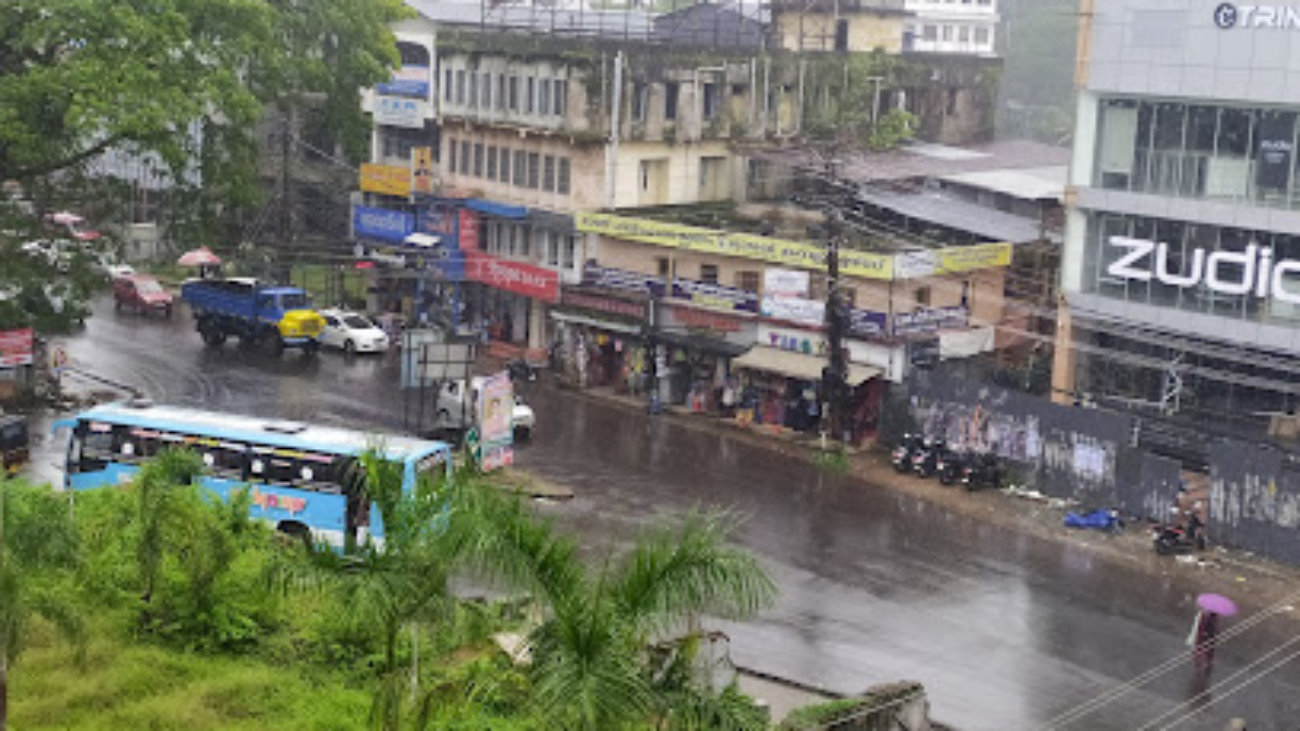
Adoor taluk—strategically located between the highland agricultural belts of Pathanamthitta and the urban–industrial corridors of Kollam and Kottarakkara—holds immense potential to become one of central Kerala’s most productive inland manufacturing hubs by 2047. The taluk benefits from midland agricultural richness, strong educational institutions, a high proportion of Gulf-return technicians, and excellent road connectivity toward MC Road, Kayamkulam, Pandalam, Kottarakkara and Kollam. With a projected population of 6.5–7 lakh, including 4 lakh working-age residents by 2047, Adoor has the talent and resource base to evolve from a service–agriculture economy into a ₹10,000–₹12,000 crore annual manufacturing powerhouse. Its growth will be shaped by food-tech, rubber engineering, machinery, electronics, medical supplies, and green materials.
The most immediate opportunity lies in establishing a Highland–Midland Agro-Processing & Functional Foods Park, leveraging Adoor’s access to crops from both the Pathanamthitta high ranges and the fertile midlands. Pepper, nutmeg, ginger, turmeric, tapioca, banana, jackfruit, vegetables and fruit varieties flow naturally into the Adoor market. A 30-acre integrated food-tech park with dehydration lines, spray dryers, freeze dryers, spice distillation units, fruit pulping machines and ready-to-cook meal processing can handle 1,60,000 tonnes of raw produce annually. By 2047, this cluster alone can generate ₹2,500–₹3,000 crore in turnover and create 20,000 direct jobs, especially for women in quality control, packaging and lab operations. The demand for clean-label foods, plant-based nutrition and export-ready spice mixes will keep this sector expanding steadily.
Rubber and polymer-based industries form the second major pillar. Adoor sits adjacent to Kerala’s strongest rubber-producing belts, including Ranni, Konni and Enathu. A Rubber, Polymers & Engineering Materials Cluster developed over 30 acres can host automated compounding lines, glove-production units, moulding centres, EV-component factories, gasket and sealant manufacturers, and footwear-material units. By 2047, Adoor can produce 25,000–30,000 tonnes of high-performance rubber goods annually, generating ₹2,200–₹2,500 crore in output and creating 18,000 direct jobs. With the global electric-vehicle shift increasing demand for rubber-based vibration and sealing components, Adoor can integrate with national supply chains while capturing regional value addition for rubber farmers.
Adoor’s strong presence of metal workshops, fabrication units and Gulf-return engineers enables the creation of a Machinery, Tools & Light Engineering Hub. This 25-acre cluster can manufacture agro-machines, food-processing equipment, solar mounting structures, modular construction frames, small pumps, workshop tools and industrial hardware. By 2047, the hub can contribute ₹1,500–₹1,800 crore annually and create 12,000 jobs. A common facility centre (CFC) with CNC machines, welding robots, powder-coating lines, 3D design studios and materials-testing labs will upskill small workshops into precision-oriented manufacturing units. These enterprises will supply not only Pathanamthitta but also Kollam, Thiruvananthapuram and Alappuzha districts.
Another high-potential sector is Medical Consumables, Diagnostics & Wellness Products Manufacturing, leveraging Adoor’s proximity to hospitals in Pandalam, Pathanamthitta and Kayamkulam. Small and mid-sized units can manufacture syringes, tubing sets, blood-collection kits, surgical dressings, herbal supplements, wellness devices, physiotherapy tools and home-health equipment. A 20-acre medically compliant industrial zone with sterilisation units, cleanrooms, microbiology labs and packaging facilities can produce ₹1,000–₹1,200 crore annually and create 10,000–12,000 jobs by 2047. Given Kerala’s ageing population and expanding healthcare infrastructure, demand for such consumables will only grow.
Electronics and smart-device assembly represent another emerging frontier. Adoor’s central location between Kollam’s electronics base and Kottayam’s technology corridors allows the taluk to develop a Digital Electronics, LED & IoT Assembly Cluster. A compact 15–20 acre zone hosting 40–60 MSMEs can assemble LED lighting systems, micro-controllers, CCTV units, water-level sensors, power electronics and IoT modules. By 2047, this cluster can produce 20–30 lakh devices annually, generating ₹1,200–₹1,400 crore and creating 8,000 direct jobs. Shared cleanrooms, automated SMT lines and cloud-managed production systems will help small firms achieve global competitiveness.
Adoor’s midland geography also favours a Timber, Bamboo & Green Construction Materials Cluster. With carpentry skills, access to bamboo and timber, and growing demand for green construction components, the taluk can produce engineered wood, modular furniture, composite panels, eco-bricks, and low-carbon building materials. By 2047, this sector can generate ₹900–₹1,100 crore in annual output and support 8,000–10,000 jobs. CNC carving, 3D design labs, kiln-drying centres and adhesives R&D units can elevate craftsmanship into high-value production.
To integrate these clusters, Adoor requires a Central Logistics, Storage & Industrial Services Park, ideally located near the MC Road–Adoor junction. A 25-acre logistics hub with 30,000 pallet spaces, 2,500 tonnes of cold storage, packaging services, e-commerce fulfilment, and digital freight operations can reduce the current logistics penalty of 10–13 percent to 5–6 percent by 2047. Manufacturers could save ₹200–₹250 crore annually, significantly boosting competitiveness for agro-based, rubber and medical products.
Human capital is the engine of Adoor’s transformation. By 2047, the taluk must train 12,000 technicians, 5,000 diploma graduates, and 20,000 skilled workers annually in food engineering, polymer technology, CNC machining, electronics assembly, industrial maintenance, QA/QC, and renewable-energy systems. A Adoor Institute of Industrial Skills & Technology (AIIST) can anchor this capacity building. Gulf-return workers—abundant in the area—can be quickly transitioned into supervisory roles, fabrication entrepreneurship and specialised maintenance services.
Digital transformation must be embedded across all clusters. A Adoor Manufacturing Digital Grid, connecting 1,200 enterprises, can enable shared procurement, digital inventory management, machine-booking platforms, AI-based quality checks, export documentation support, and cloud-based production planning. With productivity improvements of 20–30 percent, MSMEs will become more competitive and resilient. Digital traceability for food products, rubber goods and medical supplies will help Adoor’s industries enter GCC, Europe and ASEAN markets.
Sustainability must be a central feature of Adoor’s 2047 strategy. The taluk should target 70–75 percent renewable energy penetration across industrial zones through rooftop solar, agro-waste biomass and local energy storage systems. Water reuse across food-tech and rubber clusters must reach 80 percent, and zero-liquid-discharge norms should be enforced. A circular materials recovery facility processing 15,000 tonnes annually of agro-waste, rubber scrap, timber waste and plastics can feed recycled raw materials back into manufacturing. Urban green belts and watershed protection must be integrated into industrial planning to mitigate climate risks.
If implemented with discipline and strategic governance, Adoor taluk can become one of Kerala’s strongest inland manufacturing engines by 2047. With ₹10,000–₹12,000 crore in annual output, 70,000–80,000 direct jobs, deep circularity, strong agro-industrial linkages, and a digitally empowered MSME ecosystem, Adoor can transform from a midland commercial town into a next-generation manufacturing node for central Kerala. Its rise will strengthen the broader Pathanamthitta–Kollam economic corridor, contributing significantly to Kerala’s shift toward a resilient, high-value manufacturing economy.
