
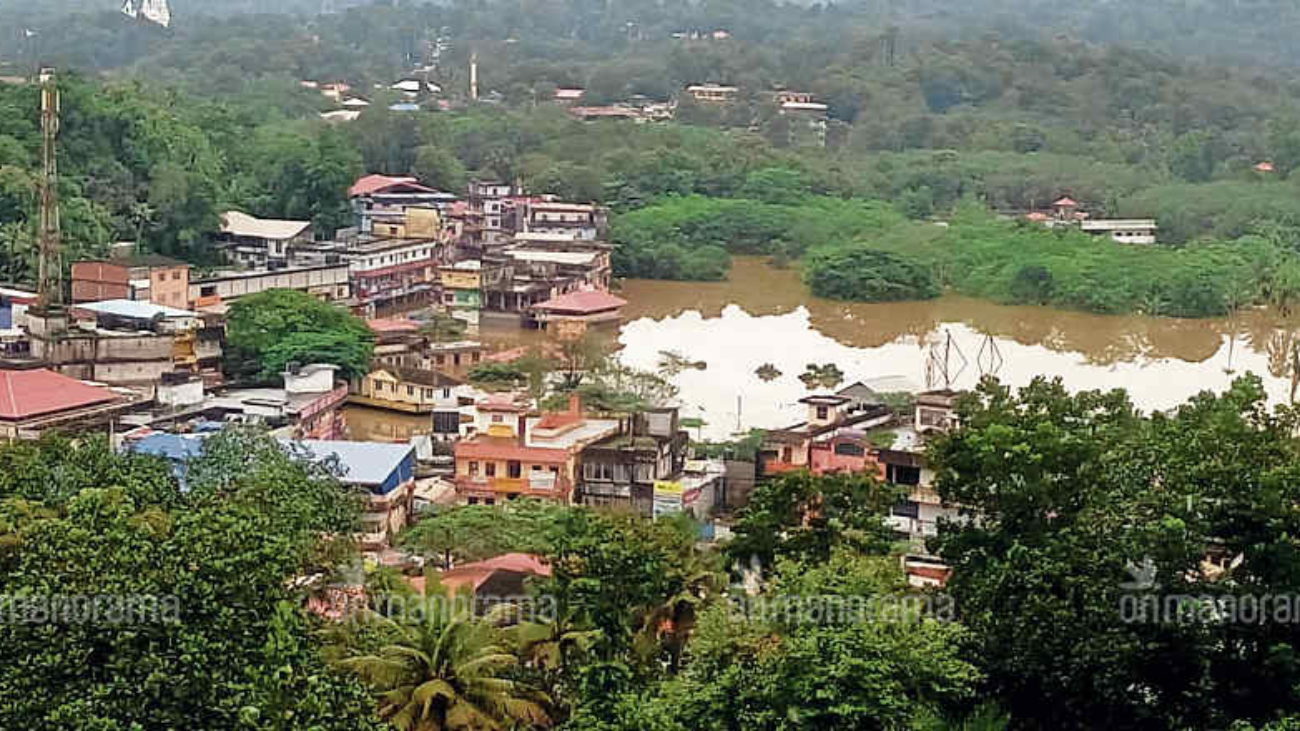
Ranni taluk—one of Kerala’s most vital high-range gateways—possesses a rare combination of plantation wealth, forest-linked resources, skilled labour, and ecological significance. Stretching across the upper reaches of Pathanamthitta district and feeding agricultural, forestry and river-based products into Kerala’s midlands, Ranni is positioned to become a high-value agro-industrial and green manufacturing hub by 2047. With a projected population of 4.5–5 lakh and around 2.7 lakh working-age residents, the taluk has the labour force to sustain a diversified industrial base. By 2047, Ranni can realistically evolve into a ₹8,000–₹10,000 crore annual manufacturing economy, compared to its current raw-material–centred economic structure. The taluk’s future lies in rubber engineering, spice and food value addition, herbal and wellness manufacturing, highland machinery, timber engineering and climate-resilient industries.
The strongest pillar of Ranni’s industrial transformation is a Rubber, Polymers & Engineering Materials Cluster, anchored in its extensive rubber plantations that stretch toward Erumely, Kanjirappally and Konni. Today, most rubber from Ranni is sold as raw sheet or latex, capturing only a fraction of its potential value. By establishing a 35-acre advanced rubber cluster with automated compounding lines, moulding machines, glove-production units, footwear component manufacturing, EV-grade gaskets, precision seals and industrial rubber goods units, Ranni can produce 25,000–30,000 tonnes of value-added rubber products annually by 2047. This cluster can generate ₹2,200–₹2,500 crore in turnover and create 18,000 direct jobs, offering long-term income stability to plantation-linked households. The global shift toward electric mobility, renewable energy systems and medical manufacturing will further raise demand for Ranni’s engineered rubber products.
The second major pillar is a High-Range Agro-Processing, Spices & Functional Foods Park, tapping into Ranni’s rich highland resources. Pepper, cardamom, nutmeg, turmeric, ginger, plantains, jackfruit and forest produce flow naturally into the taluk. A 30-acre integrated food-tech park, equipped with freeze dryers, dehydration tunnels, spice-oil distillation units, fruit pulping lines, minimally processed food plants and nutraceutical blending units, can process 1,20,000–1,40,000 tonnes of agricultural and plantation produce annually. By 2047, this cluster can generate ₹1,800–₹2,200 crore per year and create 16,000–18,000 jobs. Ranni can position itself as a premium supplier of clean-label foods, immunity blends, spice extracts and ready-to-cook products for domestic, Gulf and European markets. Women’s enterprises and SHGs can play a leading role in packaging, QC and niche-value products such as dried fruits, herbal mixes and traditional high-range snacks.
Ranni’s unique ecological positioning—bordering forest systems and medicinal plant zones—makes it ideal for a Herbal, Ayurveda & Botanical Extracts Manufacturing Hub. By 2047, a 20-acre herbal manufacturing zone can produce essential oils, balms, herbal creams, botanical extracts, nutraceuticals, herbal supplements, natural fragrances and plant-based therapeutic products. With Kerala’s ayurvedic sector expanding globally and demand rising for natural wellness goods, Ranni can generate ₹800–₹1,000 crore annually in this segment while creating 8,000–10,000 jobs. Forest-edge communities can be integrated into sourcing networks, ensuring sustainable harvesting, cultivation of medicinal plants and equitable benefit-sharing.
Another major opportunity emerges from the taluk’s highland terrain and workforce experience: a Plantation & Rural Machinery Fabrication Cluster. Many returning migrants in Ranni possess mechanical, welding and maintenance expertise from Gulf industries. By developing a 20-acre engineering hub focused on pepper threshers, nutmeg shellers, spice grinders, mini-oil extractors, micro-hydro components, hill-terrain tools and agro-machinery, the taluk can generate ₹700–₹1,000 crore in annual output. Around 8,000 direct jobs can be created in machinery fabrication, CNC machining, equipment assembly and industrial servicing. With high-range agriculture shifting towards mechanisation, this cluster will become essential for supporting small farmers and plantation cooperatives.
Ranni also has strong traditional woodworking and carpentry skills, making it suitable for a Timber, Bamboo & Eco-Construction Materials Cluster. Engineered wood, bamboo composites, prefab interior components, modular furniture, eco-bricks and low-carbon building materials are in high demand across Kerala. By establishing CNC-enabled carpentry hubs, bamboo engineering units, kiln-drying centres and adhesive R&D facilities, this sector can generate ₹800–₹1,000 crore annually and create 7,000–9,000 jobs by 2047. Eco-friendly construction materials from Ranni can supply the midland and coastal construction markets, while also promoting sustainable forest-linked livelihoods.
To support all these clusters, the taluk must develop a Ranni Highland Logistics, Storage & Processing Services Park, ideally located along the Ranni–Pathanamthitta–Erumely corridor. This 20–25 acre facility can include 15,000–20,000 pallet spaces, 1,500 tonnes of cold storage, packaging centres, testing labs, export-compliant spice-cleaning units, e-commerce fulfilment hubs and a digital freight-management platform. With logistics costs currently taking up 12–14 percent of product value in highland regions, this park can reduce the burden to 6 percent by 2047, saving ₹150–₹200 crore annually for manufacturers and agro-processors.
Human capital development must form the spine of Ranni’s industrial vision. By 2047, the taluk should train 10,000 technicians annually in fields such as rubber technology, food processing, herbal manufacturing, CNC machining, industrial automation, bamboo engineering and quality testing. A Ranni Institute of Highland Manufacturing & Technology (RIMT) can anchor the upskilling ecosystem, offering diploma-level and certificate programmes aligned with industry needs. Thousands of Gulf-return workers can be converted into skilled supervisors, machine operators and fabrication entrepreneurs through specialised transition programmes.
Digital transformation will be the industrial equaliser for Ranni. A Ranni Manufacturing Digital Grid, connecting 800–1,000 MSMEs, can support shared procurement, AI-enabled defect detection, cloud-based production scheduling, export documentation tools, QC automation and cluster-level ERP systems. This digital spine can raise productivity by 20–25 percent across manufacturing units, allowing even small-scale enterprises to operate with global efficiency. Traceability systems for spices, herbal extracts and engineered rubber will help Ranni’s industries comply with global standards and build strong export credentials.
Sustainability must guide all development in this ecologically fragile taluk. By 2047, at least 75 percent of industrial energy should come from renewable sources—rooftop solar, mini-hydro streams, agro-waste biomass and hybrid energy systems. Industrial clusters must achieve 80 percent water reuse, and zero-liquid-discharge norms must be enforced strictly, especially for spice-processing and herbal units. A circular materials recovery centre capable of processing 10,000–12,000 tonnes annually of agro-waste, rubber scrap, bamboo waste and wood offcuts can feed recycled feedstock into multiple clusters.
If executed with ecological sensitivity and strategic discipline, Ranni taluk can emerge as Kerala’s most resilient and high-value highland manufacturing ecosystem by 2047. With ₹8,000–₹10,000 crore in annual output, 60,000–70,000 direct jobs, deep upstream linkages to plantations, sustainable forest-linked industries and digitally integrated MSMEs, Ranni will be a model for high-range industrialisation. Its transformation will strengthen the wider Pathanamthitta–Kottayam highland corridor and contribute significantly to Kerala’s transition into a climate-resilient, innovation-driven manufacturing economy.
