
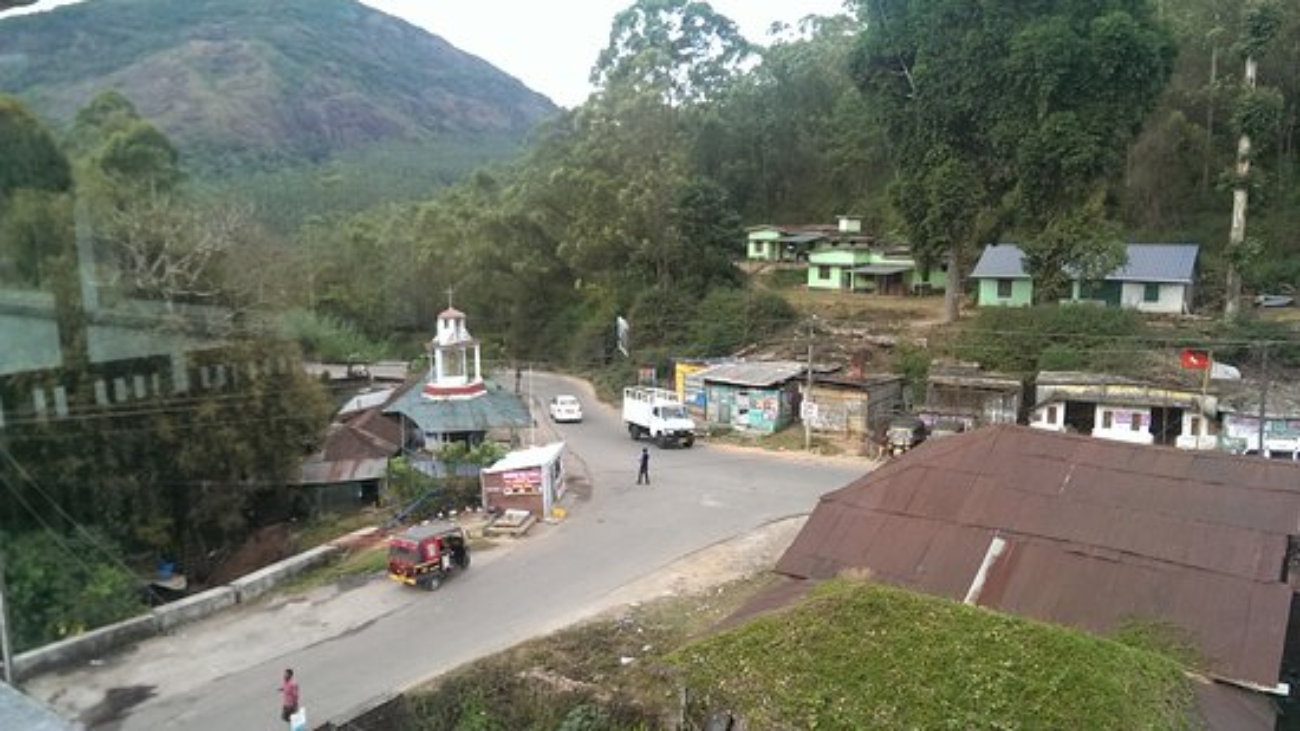
Devikulam taluk—home to Munnar, one of India’s most globally recognised hill stations—is a distinctive high-altitude economic zone defined by tea estates, cold-climate agriculture, biodiversity reserves, hydropower installations, tribal communities, and a year-round tourism economy. Unlike other industrially inclined taluks, Devikulam requires a low-footprint, high-value, climate-sensitive industrial model that protects fragile ecosystems while enabling significant employment and economic growth. By 2047, Devikulam can realistically build a ₹8,000–₹10,000 crore annual manufacturing economy, anchored in tea-tech, tourism materials, botanical extracts, speciality foods, green construction systems and highland engineering. With a projected population of 3–3.5 lakh, including nearly 1.9 lakh working-age residents, Devikulam’s manufacturing future will be specialised, niche-oriented and sustainability-driven.
The most powerful industrial pillar for Devikulam is a Specialty Tea, Tea-Tech & Botanical Extracts Innovation Cluster, building on the legacy of Munnar’s global tea estates. A 40-acre tea innovation park equipped with advanced withering systems, cold fermentation chambers, micro-batch tea labs, CO₂ extraction technology, aroma retention units, freeze dryers and vacuum packaging lines can process 45,000–55,000 tonnes of tea annually by 2047. This cluster alone can generate ₹2,500–₹3,000 crore in annual output and create 20,000–24,000 jobs. Demand for specialty white teas, orthodox whole-leaf teas, green teas, matcha-style powders, wellness infusions, catechin-rich nutraceutical extracts and premium hotel blends is rising rapidly across Asia, Europe and the Gulf. If strategically developed, Devikulam can evolve into India’s leading global hub for specialty teas and botanical tea derivatives.
A second major pillar is a High-Altitude Vegetables, Berries & Functional Foods Processing Park, leveraging the cool climate and unique agricultural mix of Munnar, Vattavada, Kanthalloor, Marayoor and Top Station. A 30-acre cold-chain and agro-tech cluster equipped with controlled-atmosphere storage, quick-freezing tunnels, berry processing lines, dehydration systems, fermentation tanks, salad-cut units, and ready-to-cook meal plants can process 1,00,000–1,20,000 tonnes of produce annually. This sector can generate ₹1,200–₹1,500 crore in turnover and create 12,000–15,000 jobs. Products like freeze-dried strawberries, dehydrated greens, Himalayan-style vegetable mixes, herbal soups, probiotic veg blends and altitude-grown organic powders will see growing domestic and export demand. Devikulam can establish itself as India’s premium “cold-climate food” brand.
Devikulam’s forest proximity and biodiversity richness create a major opportunity for a Botanical Extracts, Ayurvedic Formulations & Aromatic Oils Cluster. A 20-acre GMP-certified cluster equipped with phytochemical labs, solvent-extraction plants, essential oil distillers, resin processors, and natural cosmetics formulation units can produce balms, wellness oils, herbal powders, botanical concentrates, fragrances, ayurvedic ingredients and plant-based nutraceuticals. By 2047, this sector can generate ₹800–₹1,200 crore annually and create 8,000–10,000 jobs. The region’s natural flora—including eucalyptus, wild turmeric, endemic herbs, forest berries and medicinal shrubs—provides a strong raw material base, while maintaining strict ecological governance safeguards.
A unique tourism-driven industrial pillar is the Eco-Tourism Infrastructure, Prefab Resort Materials & Sustainable Interiors Cluster. With Munnar hosting millions of visitors annually, the demand for eco-resort infrastructure, trekking amenities, viewing decks, hill-station interiors, bamboo composites, engineered timber, CNC-crafted furniture, modular cabin systems, signage and eco-friendly outdoor materials is growing sharply. A 25-acre tourism materials hub can generate ₹800–₹1,000 crore annually and create 8,000–10,000 jobs. Devikulam can supply resort chains, homestays, adventure parks, hill stations and eco-tourism circuits across Kerala, Tamil Nadu and Karnataka.
Devikulam’s hydropower installations—including Pallivasal, Sengulam, Panniyar and other small hydro assets—support a Hydropower Components & Renewable Energy Accessories Cluster. A 15–20 acre zone equipped with fabrication units, control panel manufacturing, turbine-component machining, transformer auxiliaries, metering devices and solar–hydro hybrid integration systems can generate ₹600–₹800 crore annually and provide 5,000–7,000 jobs. As India expands hydro and pumped storage projects, Devikulam can become a specialised supplier of high-altitude renewable-energy components.
Given the region’s reputation for woodcraft and design-oriented tourism infrastructure, Devikulam can also develop a Design, Craft & Highlands Interiors Micro-Manufacturing Hub, supporting MSMEs producing boutique furniture, handicrafts, local souvenirs, artisanal decor, wooden miniatures, natural-fibre products and locally branded merchandise. This sector can generate ₹150–₹250 crore in output and support thousands of artisans.
To integrate these clusters, the taluk must build a Munnar–Devikulam Agro-Logistics, Cold Chain & Export Services Park, ideally located along the Munnar–Adimali corridor. A 20–25 acre logistics hub with 15,000–20,000 pallet spaces, 2,000 tonnes of cold storage, tea-auction digital platforms, herbal certification centres, packaging facilities, water-efficient washing systems and digital freight management can reduce logistics inefficiency from 12–15 percent to 6 percent, saving ₹120–₹150 crore annually. Enhanced connectivity to Kochi is critical for export competitiveness.
Human capital development must shape Devikulam’s transformation. By 2047, the taluk must train 10,000–12,000 technicians annually across tea technology, cold-chain management, herbal sciences, CNC machining, eco-construction materials, renewable-energy systems, packaging technology, quality control and digital supply-chain management. A dedicated Devikulam Institute of High-Altitude Manufacturing & Tea Sciences (DIHMTS) should anchor R&D, skilling and industry incubation. Women—who play a major role in plantations—should represent at least 50 percent of the workforce in tea-tech, herbal production, packaging, interior design and tourism-material manufacturing.
Digital transformation is essential for a widely dispersed high-range economy. A Devikulam Manufacturing Digital Grid, linking 800–1,000 MSMEs, can provide AI-based tea grading, botanical-traceability systems, predictive maintenance for hydro assets, cloud-based production scheduling, shared procurement, digital tourism-infrastructure design tools and export documentation automation. This can improve productivity by 20–30 percent.
Sustainability must anchor every industrial decision. By 2047, Devikulam must achieve 85 percent renewable-energy usage, through solar–hydro hybrids, micro-hydro units, biomass, and decentralised battery storage. Water reuse rates must exceed 85 percent in tea, food and herbal clusters. Ecological zoning must strictly protect shola forests, grasslands and wildlife corridors. A circular materials centre processing 6,000–8,000 tonnes of tea waste, herbal residue, packaging scrap and timber offcuts annually can supply composting, bioenergy and eco-material industries.
If implemented with ecological discipline, high-range scientific planning and institutional coordination, Devikulam can emerge as India’s premier high-altitude manufacturing ecosystem by 2047. With ₹8,000–₹10,000 crore in annual output, 70,000–85,000 direct jobs, and leadership in specialty tea, cold-climate foods, botanical extracts, eco-tourism materials and highland renewable-energy components, the taluk can set a national example for climate-resilient, innovation-driven mountain-region industrialisation. Devikulam’s rise will strengthen Idukki’s identity as a global centre for high-altitude agro-industries and sustainable tourism-linked manufacturing.
