
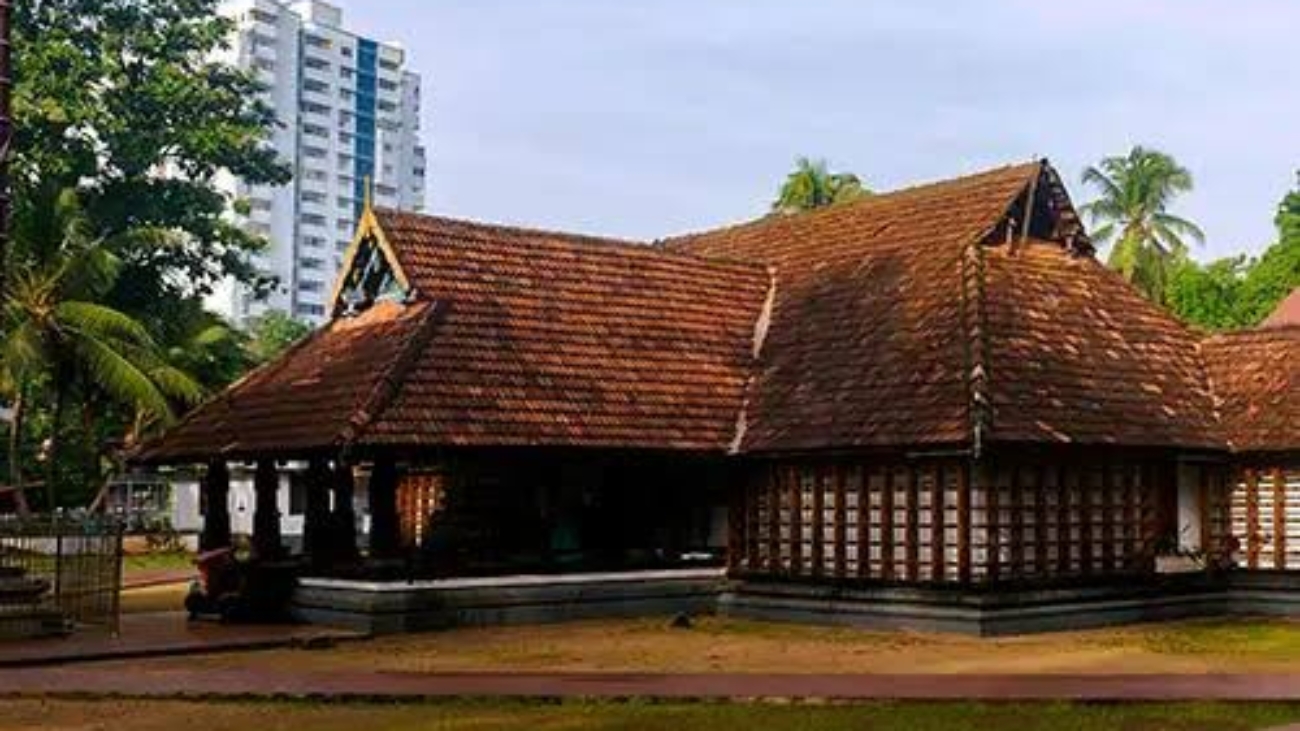
Kunnathunad taluk—home to Kakkanad, Infopark, SmartCity, Kizhakkambalam, Pallikara, Thrikkakara outskirts, Pukkattupady and parts of Edappally extension—is one of Kerala’s most strategically positioned industrial, technological and residential growth zones. It sits at the intersection of IT corridors, commercial expansion, engineering MSMEs, logistics corridors and major educational institutions. With a projected population of 8–9 lakh by 2047—including 5.5 lakh working-age residents—Kunnathunad is poised to become Kerala’s most diversified and innovation-driven urban manufacturing belt. By 2047, the taluk can evolve into a ₹22,000–₹25,000 crore annual manufacturing economy, anchored in electronics, EV components, medical devices, food-tech, smart-factory systems, green construction materials, precision engineering, digital manufacturing, and large-scale logistics.
The strongest pillar of Kunnathunad’s industrial future is the creation of a Digital Electronics, IoT Devices & Semiconductor-Adjacent Assembly Hub, leveraging its proximity to Infopark, SmartCity, startups, engineering colleges and a dense IT workforce. A 50-acre electronics manufacturing zone equipped with SMT lines, PCB assembly stations, cleanrooms, chip packaging units, sensor calibration labs, wearable-device lines, home-automation devices, smart meters and security-electronics manufacturing can generate ₹4,000–₹5,000 crore annually and support 30,000–35,000 jobs. With digital infrastructure expanding across Kerala, Kunnathunad can become the state’s core electronics and IoT manufacturing cluster.
A second major pillar is a Medical Devices, Diagnostics & Health-Tech Manufacturing Park, supported by Kochi’s strong hospital ecosystem and Kunnathunad’s large skilled female workforce. A 40-acre health-tech zone with sterilised cleanrooms, device assembly units, microfluidics labs, diagnostic strip plants, catheter and tubing systems, orthopaedic-support fabrication, rehabilitation equipment and home-health devices can generate ₹2,500–₹3,000 crore annually and employ 24,000–28,000 technicians. This cluster will benefit from clinical validation partnerships with Kochi’s major hospitals.
Kunnathunad is also primed for a Mobility Components, EV Systems & Smart Transport Manufacturing Cluster, benefiting from expanding EV infrastructure across Kochi. A 35-acre mobility-tech hub can produce charging stations, EV wiring harnesses, battery casings, BMS components, motor controllers, dashboard electronics, micro-mobility vehicles, public-transport assistive devices and fleet-management hardware. By 2047, this sector can contribute ₹2,000–₹2,500 crore and create 18,000–22,000 direct jobs.
The taluk’s strong MSME base—especially around Kizhakkambalam, Pukkattupady and Pallikkara—supports a Precision Engineering, Light Machinery & Industrial Automation Components Cluster. A 30-acre engineering zone equipped with CNC machining, mechatronics labs, 3D printing, welding robots, sheet-metal fabrication, pump manufacturing, and small machinery production can generate ₹2,200–₹2,600 crore and employ 18,000–20,000 technicians by 2047.
As Kunnathunad is also a food-tech consumption hub due to urban density, it can grow a High-Value Food Processing, Packaged Foods & Functional Nutrition Cluster. A 25-acre zone with dehydration systems, extruders, fruit pulpers, cold-press units, seasoning plants, ready-to-cook lines, bakery-tech, nutraceutical blending units and cloud-kitchen integration can process 1,20,000–1,40,000 tonnes of raw materials annually. This cluster can generate ₹1,500–₹1,800 crore and create 12,000–15,000 jobs, especially for women.
The taluk’s construction boom supports a Green Construction Materials, Modular Interiors & Urban Housing Technologies Cluster. A 30-acre eco-materials zone can manufacture engineered-wood panels, fibre-cement boards, bamboo composites, modular kitchens, prefab building components, acoustic panels, 3D-printed construction elements and smart-interior solutions. By 2047, this sector can generate ₹1,800–₹2,200 crore and create 14,000–17,000 jobs.
Its proximity to educational and IT institutions makes Kunnathunad an ideal site for a Smart Factory Systems, Robotics & Industrial Software Manufacturing Hub. A 15-acre innovation cluster can develop PLC controllers, industrial IoT sensors, automated testing systems, robotics parts, collaborative robots (cobots) and factory-performance monitoring software. This sector can generate ₹800–₹1,200 crore and create 6,000–8,000 knowledge jobs, forming a deep link between IT and manufacturing.
To integrate these clusters, Kunnathunad needs a Metropolitan Logistics, E-Commerce Fulfilment & Industrial Services Park, aligned with NH66, Seaport–Airport Road, Infopark Road and the metro extension. A 40-acre logistics hub with 40,000 pallet spaces, 3,500 tonnes of cold storage, bonded warehouses, ultrafast courier centres, packaging labs, truck terminals, last-mile delivery hubs and a digital freight-management system can reduce logistics inefficiency from 10–12 percent to 5 percent, saving ₹250–₹300 crore annually.
Human capital development must be the foundation of Kunnathunad’s Vision 2047. The taluk must train 30,000–35,000 technicians annually in electronics assembly, medical-device manufacturing, EV systems, CNC machining, automation, packaging technology, logistics, robotics, mechatronics, software-integrated manufacturing, QA/QC and renewable-energy systems. A major institution—Kunnathunad Institute of Integrated Manufacturing & Digital Technologies (KIIMDT)—should anchor training, R&D and startup incubation. Women, a core workforce in the taluk, should form at least 50 percent of employment across food-tech, medical devices, electronics and packaging.
Digital transformation should unify all industrial sub-sectors. A Kunnathunad Smart Manufacturing Digital Grid, connecting 2,500–3,000 MSMEs, can provide AI-based quality systems, predictive maintenance, digital twin integration, cloud production scheduling, export documentation automation, procurement networks, factory energy optimisation and workforce-learning platforms. This can increase productivity by 25–35 percent.
Sustainability must define the taluk’s industrial identity. By 2047, Kunnathunad should achieve 80–90 percent renewable-energy usage, powered by urban rooftop solar, industrial solar parks, green hydrogen integration for mobility clusters, waste-to-energy units and district-level battery storage. Industrial water reuse should exceed 85 percent. A circular materials recovery facility processing 20,000–25,000 tonnes of e-waste, packaging scrap, plastics, metals and food waste annually can support recycled manufacturing and eco-materials.
If executed with institutional discipline, strong digital adoption, infrastructure reforms and sustainability at its core, Kunnathunad can become Kerala’s leading metropolitan manufacturing–technology hybrid district by 2047. With ₹22,000–₹25,000 crore in annual output, 2.0–2.3 lakh direct jobs, and leadership in electronics, medical devices, EV components, automation systems, urban construction materials, precision engineering and logistics-tech, Kunnathunad will redefine Kochi’s economic geography. Its rise will position Kerala as a high-value, innovation-driven industrial powerhouse within India’s emerging digital manufacturing economy.
