
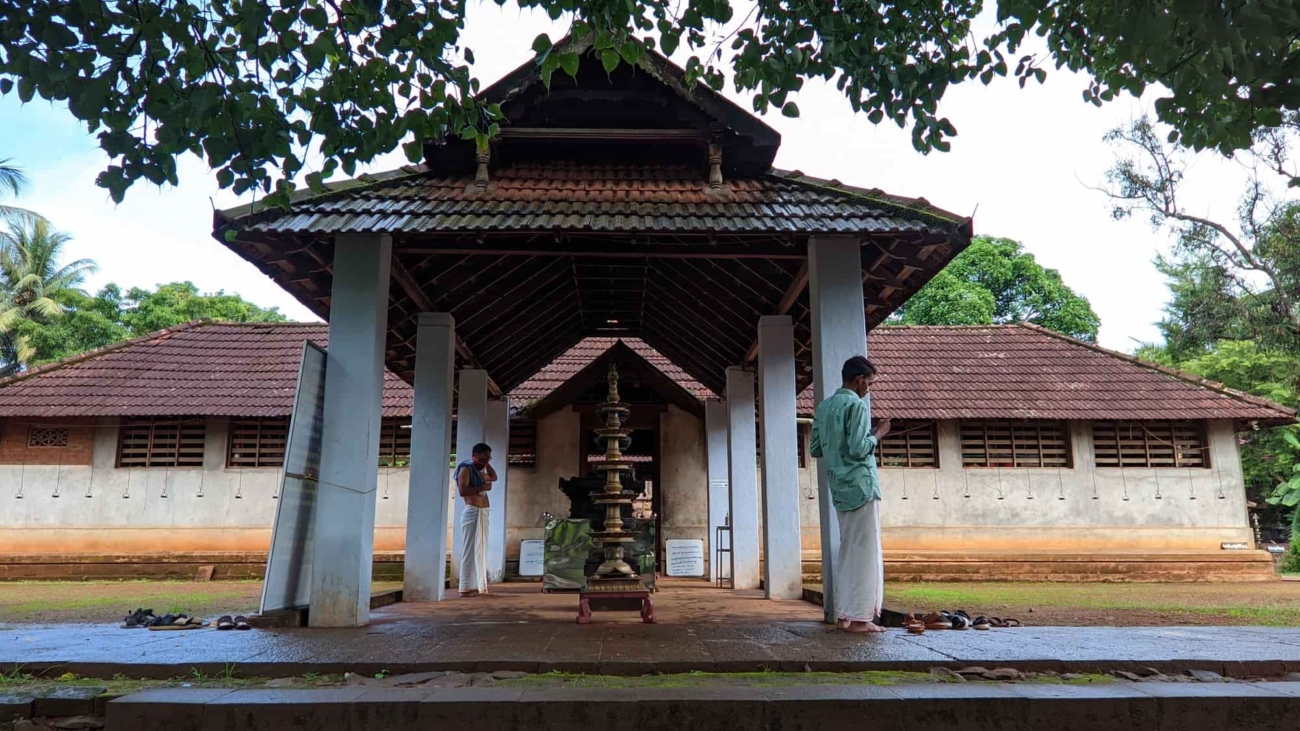
Pattambi taluk—stretching across Pattambi town, Thrithala, Koppam, Parudur, Ongallur, Kulukkallur and Anakkara—is one of Kerala’s most strategically located midland economies. It sits at the tri-district intersection of Palakkad, Malappuram and Thrissur, giving it a natural advantage in trade flows, labour mobility and logistics. The Bharathapuzha river system shapes its agriculture, clay industries, sand-linked material economies, and distributed micro-enterprises. With a projected population of 4.2–4.6 lakh by 2047, including 2.8 lakh working-age residents, Pattambi can transform into a ₹8,000–₹10,000 crore annual manufacturing economy, anchored in agro-processing, clay and ceramics, packaging, coir, food products, light engineering, creative crafts and green construction materials.
The strongest industrial pillar for Pattambi is a Multi-Crop Agro-Processing, Rice–Banana–Coconut Value Chain Mega Cluster, leveraging the taluk’s agricultural backbone. A 40-acre agro-industrial park with parboiled rice units, rice-bran extraction, banana chips automation, jackfruit processing, coconut-based products, spice packing, dehydrated vegetables and ready-to-cook food lines can process 1,20,000–1,40,000 tonnes annually. By 2047, this cluster can generate ₹1,600–₹2,000 crore and provide 15,000–18,000 jobs, especially for women. With growing demand for traditional Kerala foods, Pattambi can build strong brands around rice products, banana snacks and natural coconut derivatives.
The taluk’s clay fields and pottery tradition support a Ceramics, Tiles & Eco-Clay Products Cluster, especially across Thrithala and Parudur. A 30-acre cluster equipped with automated clay-processing units, tile-making presses, ceramic block manufacturing, terracotta décor production, eco-friendly pottery, roofing materials and water-filter ceramics can generate ₹900–₹1,200 crore and employ 8,000–10,000 people. Pattambi can become Kerala’s centre for low-energy clay construction materials.
Coir production, a historic cottage industry along Bharathapuzha, supports a Coir, Natural Fibre & Biodegradable Materials Cluster. A 20-acre coir-tech hub with mechanised spinning, geotextile manufacturing, coir-ply, biodegradable pots, rope products, mattress fibre, and natural-fibre composites can generate ₹700–₹900 crore annually and support 6,000–8,000 jobs. With global interest shifting toward biodegradable materials, Pattambi can position itself as a sustainable fibre innovation zone.
Pattambi’s workshop culture enables a Light Engineering, Agricultural Tools & Rural Machinery Cluster suited for small-scale mechanisation. A 20-acre engineering hub with CNC machining, welding clusters, lathe shops, pump assembly units, coconut-processing equipment, banana slicers, rice-mill components, irrigation machinery and agro-tools can generate ₹600–₹800 crore and provide 5,000–7,000 jobs. This cluster will serve the agrarian needs of three neighbouring districts.
The taluk’s retail density and steady Gulf remittance flow support a Processed Foods, Bakery Products & FMCG Manufacturing Cluster. A 25-acre FMCG hub with bakery lines, confectionery units, spice mixes, pickles, ready-to-eat meals, beverages, curry-paste units and snack factories can generate ₹900–₹1,200 crore and enable 8,000–10,000 direct jobs. This cluster will supply both local markets and NRI-driven demand.
Clay artisans, wood craftsmen and textile micro-units make Pattambi ideal for a Creative Manufacturing & Handicraft Cluster. A 10-acre craft-tech zone with terracotta studios, wooden décor workshops, handloom-fusion centres, apparel micro-units, natural-dye units, pottery art, mural craft and boutique product fabrication can generate ₹200–₹300 crore and support 3,000–4,000 artisans.
With rising urbanisation in Pattambi town and its role as a rail–road junction between three districts, a Central Kerala Inland Logistics, Cold Storage & SME Fulfilment Park is essential. A 25-acre logistics hub with 12,000–15,000 pallet spaces, 1,200 tonnes of cold storage, packaging labs, rice-processing sterilisation, SME aggregation centres, e-commerce fulfilment stations and a digital freight-management grid can reduce logistics inefficiency from 10–12 percent to 6 percent. This can save ₹100–₹130 crore annually for local industries.
Human capital development must anchor Pattambi’s Vision 2047. The taluk must train 10,000–12,000 people annually in agro-processing, food safety, ceramic technologies, coir-fibre engineering, CNC machining, packaging, quality control, digital manufacturing, light machinery maintenance and craft design. A new flagship centre—Pattambi Institute of Agro-Industrial & Rural Manufacturing Technologies (PIARMT)—should serve as the skills and R&D hub. Women should represent 50 percent of the trained workforce, especially in food-tech, coir and creative sectors.
Digital transformation is essential for Pattambi’s SME-heavy economy. A Pattambi MSME Digital Grid, connecting 1,200–1,400 small industries, can enable cloud-based production scheduling, digital invoicing, AI-based food-quality testing, machine diagnostics, e-commerce integration, ceramic-design software, and traceability for rice and coconut value chains. This can improve productivity by 20–25 percent across sectors.
Sustainability should define Pattambi’s industrial future. By 2047, the taluk should achieve 75–80 percent renewable-energy adoption, driven by rooftop solar, biomass from agro waste, coir dust combustion, and community battery storage. Industrial water reuse should exceed 80 percent, especially in food-processing and ceramics. A circular materials recovery centre handling 8,000–10,000 tonnes of agro waste, clay residue, coir waste and packaging scrap annually can produce compost, recycled clay panels, eco-bricks, biomass briquettes and biochar.
If executed with strong district coordination, SME clustering, sustainability-focused planning and human-capital investment, Pattambi can become central Kerala’s leading rural–industrial economy by 2047. With ₹8,000–₹10,000 crore in annual output, 80,000–95,000 direct jobs, and leadership in agro-processing, ceramics, coir-tech, food products, rural machinery and creative crafts, Pattambi will anchor the manufacturing growth of western Palakkad while supporting trade linkages with Malappuram and Thrissur.
