
Chittur taluk—stretching across Chittur town, Nemmara fringes, Kollengode extension, Elavanchery, Kozhinjampara, Muthalamada, Pudunagaram, Vadakarapathy, Eruthempathy and the fertile borderlands facing Pollachi and Coimbatore—is one of Kerala’s most agriculturally rich transit corridors. Defined by vast paddy fields, sugarcane belts, banana plantations, coconut farms and the unique mango valley of Muthalamada, the taluk is naturally positioned to become Kerala’s agro-industrial gateway to Tamil Nadu. With a projected population of 5.5–6 lakh by 2047, including 3.6 lakh working-age residents, Chittur can realistically evolve into a ₹13,000–₹15,000 crore annual manufacturing economy, powered by food-tech, plantation value addition, packaging industries, green construction materials, renewable energy components, border logistics and MSME engineering.
The most powerful industrial pillar for Chittur’s future is a Multi-Crop Agro-Processing & Banana–Mango Mega Cluster, leveraging the Muthalamada mango belt, Chittur’s banana-rich plains, Vadakarapathy’s vegetables and expansive paddy cultivation. A 60-acre agro-industrial park with mango pulp units, dehydration tunnels, banana-flour facilities, chips and snack automation, paddy processing, coconut-based value addition, ready-to-cook food lines and spice-blending labs can process 2,20,000–2,50,000 tonnes of agricultural produce annually. By 2047, this cluster alone can generate ₹3,000–₹3,500 crore and create 25,000–30,000 jobs. With Muthalamada already known as “India’s Mango City,” the taluk can evolve into a global supplier of mango-based nutraceuticals, beverages and packaged foods.
A second transformative pillar is a Sugarcane, Jaggery, Biofuel & Fermentation Technologies Cluster, utilising the sugarcane pockets across Chittur and Kollengode. A 30-acre fermentation-tech complex producing jaggery granules, cane syrup, ethanol for industrial supply, bioethanol for green mobility, fermented drinks, molasses by-products, natural sweeteners and organic fertilisers can generate ₹1,200–₹1,500 crore and provide 10,000–12,000 jobs. As India moves toward green fuel mandates, Chittur can become Kerala’s principal bioethanol producer.
Chittur’s border positioning makes it ideal for a Tamil Nadu–Kerala Cross-Border Logistics, Packaging & Export Hub, strategically located near Pudunagaram or Kozhinjampara. A 40-acre logistics estate with 25,000 pallet spaces, 2,000 tonnes of cold storage, mango and banana pre-cooling lines, quality-testing labs, packaging manufacturers, e-commerce fulfilment centres, bonded warehouses and an AI-driven transport management grid can reduce logistics inefficiency from 10–12 percent to 5–6 percent, saving ₹200–₹250 crore annually and serving markets on both sides of the border.
Given Chittur’s strong coconut farming and natural fibre base, a Coir, Natural Fibre & Biocomposite Manufacturing Cluster can also be developed. A 25-acre eco-material hub with automated spinning, coir-ply, geotextile production, natural-fibre composites, biodegradable containers and sustainable packaging can generate ₹1,000–₹1,300 crore and employ 9,000–11,000 people. This cluster can leverage demand from Kerala’s construction, horticulture and FMCG sectors.
Chittur’s proximity to Tamil Nadu’s engineering heartland enables a Light Engineering, Agri-Machinery & Small Components Cluster, perfectly suited for border trade. A 25-acre engineering estate with CNC machining, fabrication units, pump assembly, irrigation equipment manufacturing, banana-processing machinery, rice-mill components, micro-harvesters, and motor rewinding can generate ₹1,000–₹1,300 crore and provide 8,000–10,000 technician jobs. This cluster can position Chittur as the SME engineering bridge between Kerala and Coimbatore.
Given the region’s construction activity and abundant clay and sand alternatives, a Green Construction Materials & Precast Components Cluster is highly viable. A 20-acre complex producing hollow blocks, engineered bamboo materials, eco-bricks, precast beams, interior panels, door–window systems and fibre-based composites can generate ₹700–₹900 crore and employ 6,000–8,000 workers.
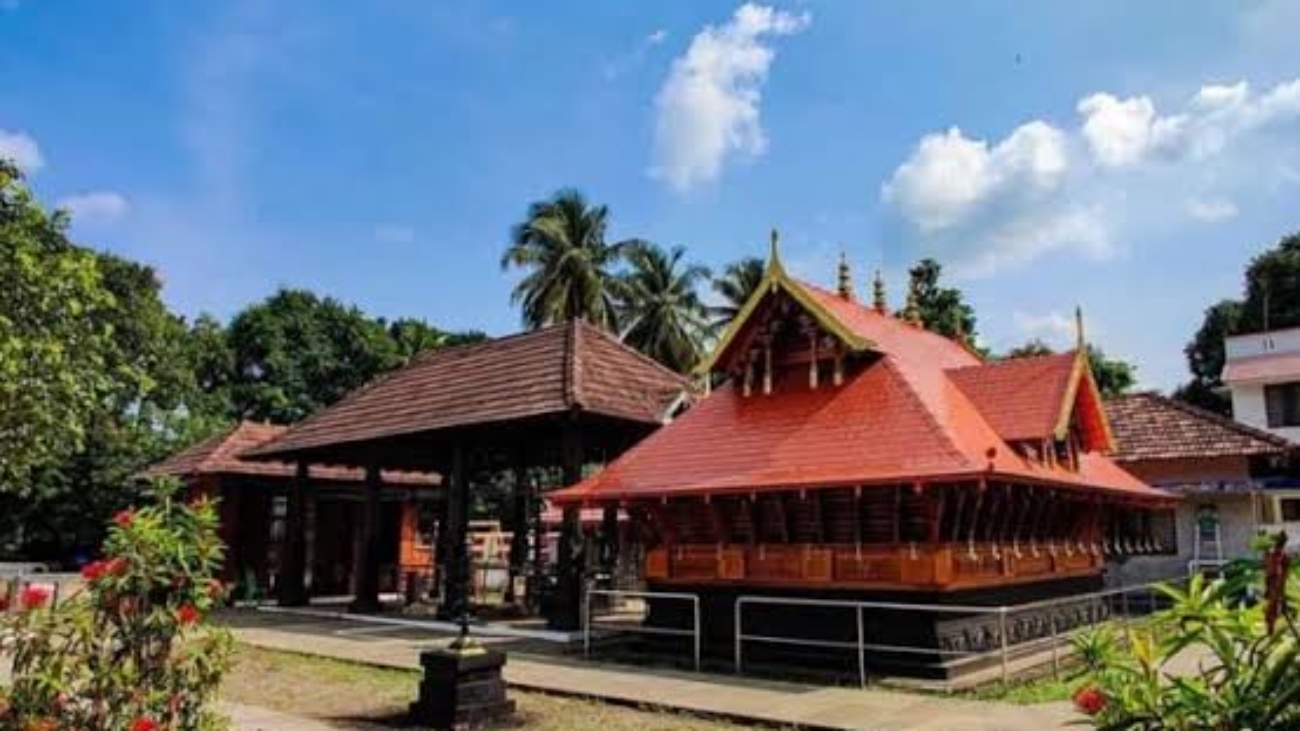
Chittur’s unique mango valley, heritage agrarian culture and temple traditions allow a Creative Manufacturing, Handicrafts & Food-Gift Products Cluster. A 10-acre artisan-tech hub with mango-wood crafts, handmade décor, terracotta art, food souvenirs, gift packaging, boutique products and ethnic crafts can generate ₹150–₹250 crore and support 2,500–3,500 artisans, especially women.
The high renewable-energy potential arising from open plains supports a Solar Components, LED Systems & Rural Energy Solutions Cluster. A 15-acre cluster producing solar mounting structures, micro-inverters, LED assemblies, agricultural solar pumps and mini-grid devices can generate ₹500–₹700 crore and create 4,000–6,000 green jobs.
Human capital development must anchor Chittur’s 2047 transformation. The taluk must train 15,000–18,000 people annually across agro-processing, quality control, food safety, fermentation technology, fibre engineering, packaging, CNC machining, logistics operations, renewable-energy systems and MSME entrepreneurship. A flagship institution—Chittur Institute of Agro-Industrial Technologies & Border Trade Studies (CIAT-BTS)—should be established to integrate training, incubation and research, with special wings for mango innovation, biofuels and cross-border market integration. Women should represent 50 percent of the trained workforce.
Digital transformation must unify Chittur’s diverse industrial ecosystems. A Chittur MSME Digital Grid, connecting 1,800–2,100 micro and small units, can enable AI-driven food-quality testing, predictive maintenance for machinery, cloud-based production scheduling, e-commerce integration, export documentation automation, and real-time logistics tracking. Digitisation can boost productivity by 25–30 percent, particularly in agro-processing and packaging sectors.
Sustainability should define the taluk’s industrial identity. By 2047, Chittur must achieve 80–90 percent renewable-energy dependence, powered by rooftop solar, agro-waste biomass, bioethanol systems and district battery storage. Industrial water reuse must exceed 85 percent, especially in agro-processing, fermentation industries and fibre-tech units. A circular materials recovery centre processing 15,000–18,000 tonnes of agro waste, mango kernels, banana stems, packaging scrap and coir dust can produce compost, bioethanol feedstock, eco-boards, briquettes and biochar.
If executed with border-centric planning, agrarian innovation, sustainable manufacturing, and cross-state supply-chain integration, Chittur can become Kerala’s largest agro-industrial and border-trade manufacturing hub by 2047. With ₹13,000–₹15,000 crore in annual industrial output, 1.2–1.4 lakh direct jobs, and leadership in mango processing, banana products, biofuels, natural fibres, engineering components, FMCG manufacturing and logistics, Chittur will anchor Palakkad’s southern economic expansion and strengthen Kerala’s integration with Tamil Nadu’s industrial powerhouse.
