
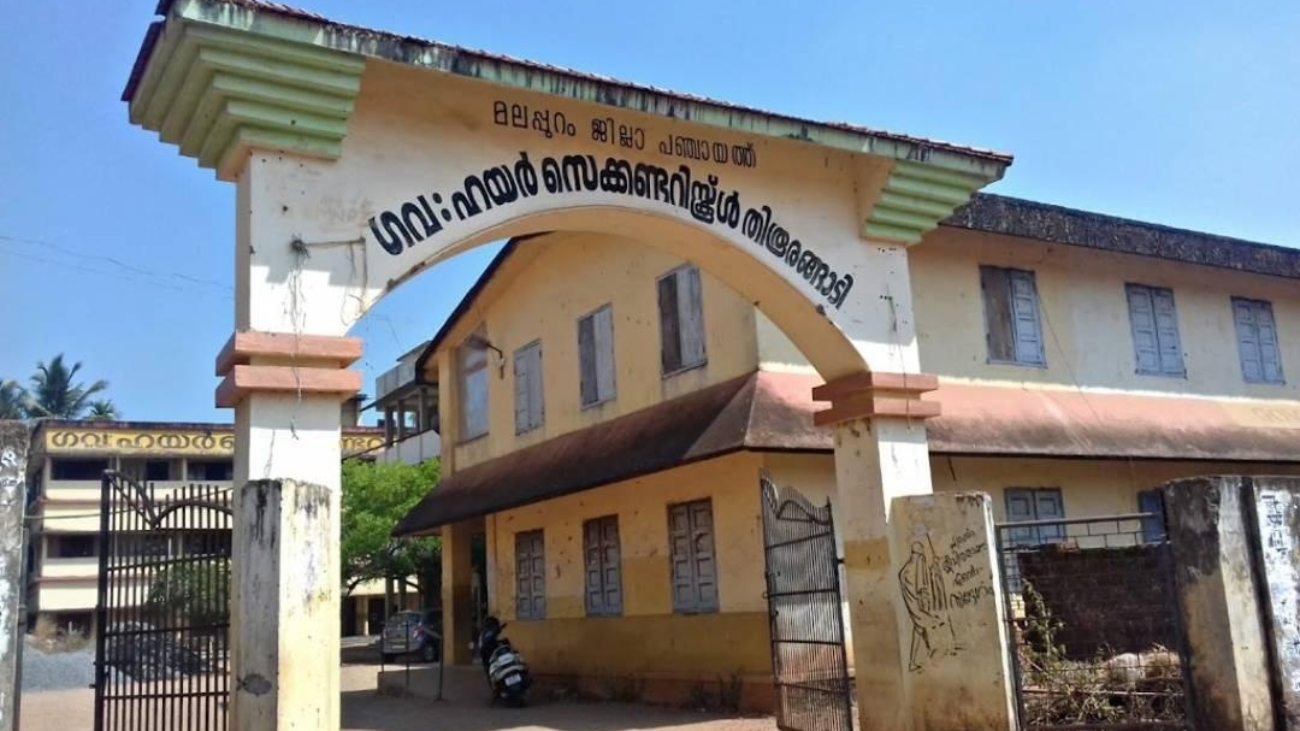
Tirurangadi taluk—covering Tirurangadi town, Parappanangadi, Chelari, Kakkad, Mooniyur, Vallikkunnu, Thenhipalam, Thirurangadi–Kondotty border regions, and the Calicut University orbit—is one of Malappuram’s most commercially dynamic zones. With a high working-age population, strong Gulf-linked remittance flows, and intense SME entrepreneurship, the taluk possesses both capital and human resources for rapid industrial expansion. Its proximity to Calicut International Airport, Feroke’s tile–wood industries, the Tirur–Beypore maritime economy, and Kozhikode city markets gives it the ability to evolve into a ₹12,000–₹14,000 crore annual manufacturing ecosystem by 2047. This transformation will be driven by food-tech, apparel, coir products, coastal industries, digital manufacturing, packaging, logistics, and renewable-energy-linked MSMEs.
The strongest pillar of Tirurangadi’s industrial future is a Processed Foods, Bakery-Tech & Gulf-Oriented FMCG Mega Cluster, leveraging the massive NRI consumption network. A 40-acre FMCG estate with bakery lines, confectionery plants, spice-mix manufacturing, ready-to-eat meal systems, meat-processing units, beverages, flour mills and snack factories can generate ₹2,000–₹2,500 crore annually and create 18,000–22,000 jobs, especially for women. Tirurangadi can become Malappuram’s largest FMCG supply hub for Gulf baggage trade, Kerala retail chains and online marketplaces.
The taluk’s coastal belts—Parappanangadi, Vallikkunnu, Mooniyur—support a Marine Processing & Coastal Food-Tech Cluster. A 25-acre marine hub with drying tunnels, fish-cutting automation, shrimp-processing units, ready-to-cook packaging, fish-oil extraction, chitin production and cold-chain integration can handle 80,000–1,00,000 tonnes of raw material annually. This cluster can generate ₹1,000–₹1,400 crore and create 10,000–12,000 maritime-industry jobs.
Given the high density of tailoring shops, micro-boutiques and textile traders, Tirurangadi is ideal for a Garments, Ethnic Wear & Tailoring-Tech Manufacturing Cluster. A 30-acre garment park with stitching units, embroidery systems, digital printing, uniform production, hijab–abaya design hubs, athletic-wear lines and export garment finishing can generate ₹1,500–₹1,800 crore and employ 20,000–25,000 workers, primarily women and youth trained in tailoring institutes around Thenhipalam and Kakkad.
With Kerala’s rapid construction growth, the taluk can support a Wood-Based Manufacturing, Furniture & Interior Solutions Cluster linking Feroke’s tradition with new MSMEs. A 25-acre industrial park producing plywood components, modular kitchens, doors, windows, engineered-wood panels, interior décor items and assembly-line furniture can generate ₹1,200–₹1,500 crore and support 8,000–10,000 jobs. Gulf-returnee capital can accelerate growth in this cluster.
The coconut-rich belts of Vallikkunnu and coastal midlands can support a Coir, Natural Fibre & Sustainable Materials Cluster. A 20-acre fibre-tech park with coir-ply manufacturing, geotextiles, biodegradable packaging, coir mattresses, composites and eco-panels can generate ₹600–₹800 crore and provide 6,000–8,000 jobs. These products can supply Kerala’s construction, agriculture and export sectors.
Tirurangadi’s SME engineering base and proximity to Kondotty allow for a Light Engineering, Metal Fabrication & Rural Machinery Cluster. A 20-acre engineering zone with machining units, small pump assembly, fabrication workshops, vehicle-body building, coconut-processing equipment, bakery equipment manufacturing and workshop automation can generate ₹700–₹1,000 crore and create 6,000–8,000 technician jobs.
A major new pillar must be a Digital Manufacturing, Electronics Assembly & Airport-Linked Export Cluster, benefiting from the proximity to Calicut International Airport. A 20-acre tech-assembly park with LED manufacturing, CCTV kits, small appliance assembly, PCBA lines, EV chargers, IoT-home devices, airport goods-handling equipment and packaging electronics can generate ₹800–₹1,200 crore and support 5,000–7,000 tech jobs, particularly among college graduates in the Calicut University belt.
To unify these industries, Tirurangadi needs a Central Malabar Logistics, Cold-Chain & Airport-Integrated Distribution Hub, located between Parappanangadi and Kondotty. A 35-acre logistics estate with 20,000–25,000 pallet spaces, 1,500 tonnes of cold storage, seafood pre-processing support, FMCG fulfilment nodes, import–export packaging systems, bonded warehouses and AI-enabled freight routing can cut logistics inefficiency from 10–12 percent to 6 percent, saving ₹150–₹180 crore annually for regional MSMEs.
Human capital development must anchor Tirurangadi’s vision. The taluk must train 18,000–20,000 people annually across garment manufacturing, food safety, packaging, light engineering, digital design, logistics operations, machine maintenance, electronics assembly and entrepreneurship. A flagship institution—Tirurangadi Institute of Coastal Manufacturing, FMCG & Digital Industries (TICM-DI)—should be established to integrate training, incubation and applied research. Women should represent 55–60 percent of the workforce in FMCG, garments and marine packaging sectors.
Digital transformation must be deeply integrated into the taluk’s MSME ecosystem. A Tirurangadi MSME Digital Grid, connecting 2,000–2,300 small industries, can enable AI-driven quality inspection, cloud production scheduling, automated invoicing, machine diagnostics, digital storefronts, food-traceability systems and real-time airport logistics tracking. This digital backbone can raise productivity by 25–35 percent across manufacturing sectors.
Sustainability must shape Tirurangadi’s industrial identity. By 2047, the taluk must achieve 75–85 percent renewable-energy usage, powered by rooftop solar, biomass from coconut and fish waste, solar-powered micro cold storage, and district battery networks. Industrial water reuse should exceed 80 percent in FMCG, marine processing and textile clusters. A circular materials recovery centre processing 10,000–12,000 tonnes of organic waste, coconut husk, fish offcuts, packaging scrap and textile waste annually can produce compost, eco-panels, biofuel briquettes, recyclable fibres and bioplastics.
If implemented with coastal-sensitive planning, SME empowerment, airport-linked export strategies, digital integration and Gulf network capital mobilisation, Tirurangadi can become the manufacturing powerhouse of coastal Malappuram by 2047. With ₹12,000–₹14,000 crore in annual output, 1.2–1.4 lakh direct jobs, and leadership in FMCG manufacturing, garments, marine products, wood-based industries, electronics assembly, natural fibres and logistics, Tirurangadi will anchor Malappuram’s transition into a modern industrial district.
