
Ponnani taluk—stretching across Ponnani town, Edappal, Kuttippuram, Thriprangode, Vattamkulam, Kaladi, Veliyancode, Maranchery, and the Bharathapuzha estuary belt—is one of Kerala’s oldest maritime economies. Defined by its fishing harbours, backwaters, tidal wetlands, coconut belts, rice fields and a traditionally vibrant trading culture, Ponnani is uniquely positioned to become Kerala’s premier coastal manufacturing zone. With a projected population of 5.6–6 lakh by 2047, including nearly 3.7 lakh working-age residents, the taluk can evolve into a ₹14,000–₹16,000 crore annual manufacturing ecosystem, driven by marine exports, FMCG industries, agro-processing, coir-tech, packaging, engineering MSMEs, construction materials and logistics.
The most powerful pillar of Ponnani’s industrial future is a Marine Processing, Aqua Exports & Blue Economy Mega Cluster, leveraging Ponnani harbour, Veliyancode’s coastal belt, and abundant estuary-based fisheries. A 60-acre marine industrial estate equipped with IQF tunnels, automated freezing lines, shrimp and cuttlefish processing, fish-drying systems, fish-meal and fish-oil extraction, collagen preparation, chitin–chitosan production, and ready-to-cook packaging can handle 2,00,000–2,40,000 tonnes of raw marine products annually. By 2047, this cluster alone can generate ₹3,000–₹3,500 crore and support 25,000–30,000 direct jobs, making Ponnani one of Kerala’s largest fish-processing economies.
A second major pillar is a Processed Foods, Bakery-Tech & FMCG Manufacturing Hub, reflecting the taluk’s strong retail economy and Gulf-linked consumer network. A 40-acre FMCG cluster with bakery lines, confectionery units, pickle factories, spice-blend production, instant-mix units, flour mills, snack factories, ready-to-eat meal systems and beverages can generate ₹1,800–₹2,200 crore annually and support 15,000–18,000 jobs, particularly for women in Edappal, Kuttippuram and Vattamkulam.
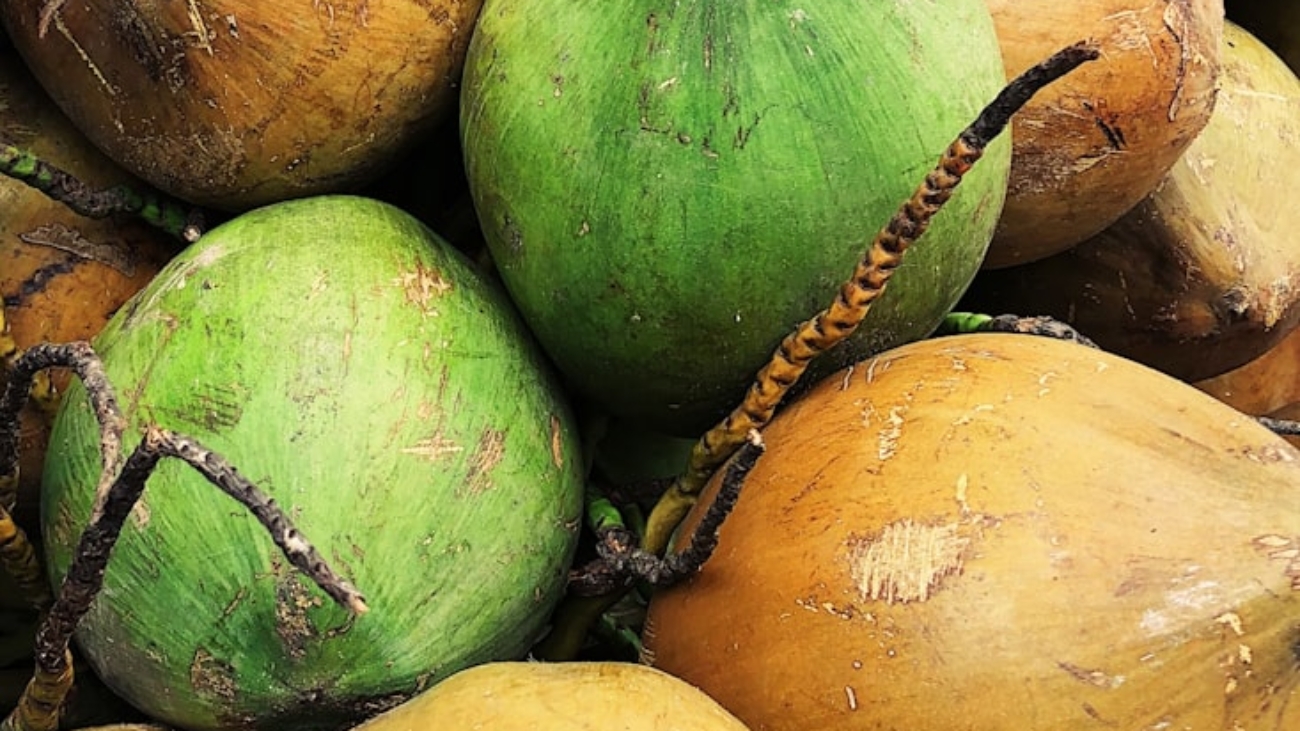
Ponnani’s agrarian belts—rice fields near Maranchery and coconut groves across the taluk—support a Multi-Crop Agro-Processing & Coconut–Rice Value Chain Cluster. A 35-acre agro-industrial zone with parboiled rice mills, rice-bran oil units, coconut-oil extraction, desiccated coconut manufacturing, virgin coconut oil production, banana chips lines, spice packaging and vegetable dehydration can process 1,40,000–1,70,000 tonnes annually. This cluster can generate ₹1,500–₹1,800 crore and create 12,000–15,000 jobs.
With abundant coconut fibre and coastal demand, the taluk is ideal for a Coir, Natural Fibre & Biodegradable Materials Cluster. A 25-acre fibre-tech hub with geotextile looms, coir-ply manufacturing, biodegradable planter pots, mattress fibre, coir boards, coir composites and eco-friendly packaging can generate ₹900–₹1,200 crore and support 9,000–11,000 jobs.
Given Ponnani’s rich clay belt and legacy of pottery, a Clay, Ceramics & Green Construction Materials Cluster can be developed. A 25-acre cluster producing lightweight blocks, terracotta tiles, eco-bricks, hollow bricks, clay panels, interior décor ceramics and flood-resilient building components can generate ₹700–₹900 crore and create 6,000–8,000 jobs. These products will be vital for flood-prone coastal construction.
Ponnani’s strategic inland location near Kuttippuram and NH 66 allows development of a Light Engineering, Marine Hardware & Rural Machinery Cluster. A 20-acre engineering zone with fabrication units, boat-accessory manufacturing, pump assembly, coconut-processing equipment, small-scale machinery, vehicle-body building, and marine-motor servicing can generate ₹700–₹1,000 crore and support 6,000–8,000 technician jobs.
The taluk’s strong cultural economy, literary tradition and coastal identity support a Creative Manufacturing, Heritage Crafts & Cultural Products Cluster. A 10-acre craft-tech zone producing coastal décor, wooden crafts, handloom fusion garments, pottery, natural-dye textiles, gift items, heritage souvenirs and artisanal products can generate ₹150–₹250 crore and sustain 2,500–4,000 livelihoods, especially among women and youth.
To integrate all these clusters, Ponnani requires a Coastal Logistics, Cold-Chain & Export Services Hub, ideally placed between Ponnani and Edappal. A 40-acre logistics facility with 25,000–30,000 pallet spaces, 2,500 tonnes of cold storage, seafood pre-processing units, bonded warehouses, e-commerce fulfilment nodes, packaging labs, sterilisation units and an AI-based freight-routing system can reduce logistics inefficiency from 10–12 percent to 5–6 percent, saving ₹180–₹220 crore annually.
Human capital development must anchor Ponnani’s 2047 transformation. The taluk must train 18,000–20,000 people annually across seafood technology, food safety, packaging design, light engineering, coir processing, digital marketing, supply-chain management, machine maintenance and entrepreneurship. A flagship centre—Ponnani Institute of Coastal Manufacturing, Agro-Industries & Blue Economy Technologies (PIMABET)—should be established to integrate skills, incubation and R&D. Women should represent 50–55 percent of the workforce in FMCG, coir and marine packaging units.
Digital transformation must underpin the taluk’s manufacturing backbone. A Ponnani MSME Digital Grid, connecting 2,000–2,300 MSMEs, can provide cloud-based production scheduling, AI-driven quality inspection, e-commerce integration, real-time cold-chain tracking, digital invoicing, marine-traceability systems and predictive maintenance for machinery. Digital adoption can raise productivity by 25–35 percent across sectors.
Sustainability must be central to Ponnani’s industrial identity. By 2047, the taluk should achieve 80–90 percent renewable-energy dependence, powered by rooftop solar, micro-wind systems, biomass from agro waste, fish-waste biofuel and district-level battery storage. Industrial water reuse must exceed 85 percent, particularly in seafood, FMCG and fibre-tech clusters. A circular materials recovery centre processing 15,000–18,000 tonnes of fish waste, coconut husk, rice hulls, packaging scrap and textile waste annually can produce compost, eco-panels, recycled fibres, biochar, bioplastics and biomass briquettes.
If implemented with strong coastal governance, SME network support, logistics-driven expansion and sustainability-first planning, Ponnani can become Malabar’s most advanced coastal manufacturing hub by 2047. With ₹14,000–₹16,000 crore in annual output, 1.3–1.5 lakh direct jobs, and leadership in marine exports, FMCG, agro-processing, coir-tech, green construction materials, engineering components and creative crafts, Ponnani will anchor the industrial growth trajectory of coastal Malappuram.
