
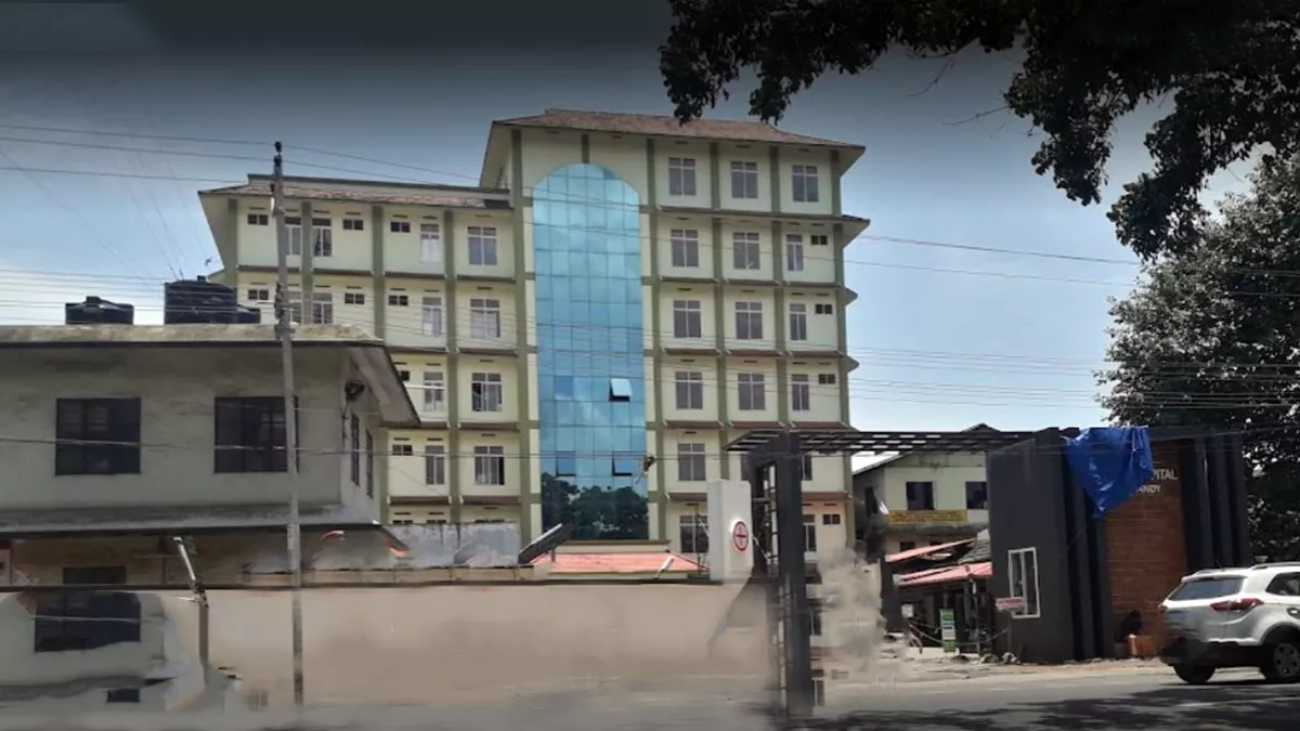
Koyilandy taluk—stretching across Koyilandy town, Atholi, Thikkodi, Payyoli, Perambra fringes, Balussery border areas, Chengottukavu, Moodadi, and the coastal–midland corridor up to Thiruvangur—is one of Kozhikode district’s most commercially promising and geographically strategic zones. Blessed with a long coastline, a strong fisheries economy, abundant coconut belts, emerging semi-urban centres, and close access to Kozhikode city markets, Koyilandy has the natural foundation to evolve into a ₹14,000–₹16,000 crore annual manufacturing ecosystem by 2047. Its proximity to Vadakara, Kozhikode, and the NH 66 transport corridor enhances its potential to develop synergistic industrial clusters across seafood, FMCG, garments, coir-tech, engineering, renewable energy and coastal logistics.
The most powerful pillar of Koyilandy’s industrial future is a Marine Processing, Aqua Exports & Coastal Food-Tech Mega Cluster, leveraging the strong fishing bases of Koyilandy, Thikkodi, Moodadi and Chengottukavu. A 60-acre marine industrial estate equipped with IQF freezing, automated shrimp cleaning, fish-cutting lines, ready-to-cook seafood packaging, dried fish systems, fish-oil refining, chitin–chitosan extraction and value-added seafood manufacturing can process 1,80,000–2,20,000 tonnes of marine products annually. This cluster can generate ₹3,000–₹3,500 crore and create 25,000–30,000 jobs, making Koyilandy one of Kerala’s major coastal manufacturing engines.
Given the region’s agricultural pockets—Perambra, Balussery and Atholi—Koyilandy is primed for a Multi-Crop Agro-Processing & Coconut–Spices Value Chain Cluster. A 30-acre agro-industrial zone with coconut-based production, virgin coconut oil units, coconut milk powder, banana chips factories, spice powdering, vegetable dehydration, flour mills and ready-to-eat food lines can generate ₹1,200–₹1,500 crore and provide 10,000–12,000 jobs.
Koyilandy’s rising urbanisation supports a large FMCG, Processed Foods & Bakery-Tech Manufacturing Hub, driven by the district’s strong consumer base. A 35-acre FMCG estate with automated bakery lines, snack food production, confectionery plants, instant meal systems, dosa batter units, spice blends, beverage production and centralised kitchens can generate ₹1,800–₹2,200 crore and support 15,000–18,000 jobs, especially for women in Atholi and Perambra belts.
The region’s tailoring base, proximity to Kozhikode city’s garment wholesale markets, and coastal export links make Koyilandy ideal for a Garments, Apparel & Tailoring-Tech Manufacturing Cluster. A 30-acre garment-tech park featuring power sewing lines, embroidery units, digital-printing facilities, uniform manufacturing, school wear, sportswear, women’s ethnic wear and export finishing can generate ₹1,500–₹1,800 crore and create 20,000–25,000 jobs, empowering women and youth.
The coastal coconut-rich belt supports a Coir, Natural Fibre & Biodegradable Products Cluster, centred around Atholi and Perambra. A 25-acre fibre-tech park with coir-mat manufacturing, geotextiles, coir ply, biodegradable pots, eco-panels, mattress fibre, natural-fibre composites and sustainable packaging can generate ₹800–₹1,000 crore and employ 7,000–9,000 workers.
A major emerging opportunity is a Renewable Energy Components & Solar Accessories Manufacturing Cluster, taking advantage of rising demand across Kerala. A 20-acre green-energy industrial zone producing solar mounting structures, LED systems, small inverters, charge controllers, microgrid components and wind–solar hybrid accessories can generate ₹700–₹900 crore and create 5,000–7,000 jobs.
With an expanding MSME ecosystem, Koyilandy is suited for a Light Engineering, Fabrication & Machinery Components Cluster. A 20-acre engineering park with CNC machining, welding units, pump assembly, marine hardware production, bakery-equipment manufacturing, vehicle-body building and machine repair workshops can generate ₹800–₹1,000 crore and provide 7,000–9,000 technical jobs.
Koyilandy’s cultural legacy and artisanal talent support a Creative Manufacturing, Handicrafts & Coastal Products Cluster, producing souvenirs, pottery, mats, bamboo crafts, painted décor, gift items and coastal-themed merchandise. A 10-acre creative cluster can generate ₹150–₹250 crore and sustain 2,500–3,500 artisans.
To integrate all clusters, Koyilandy requires a North Kozhikode Coastal Logistics, Cold-Chain & SME Export Hub, ideally located between Koyilandy and Payyoli. A 40-acre logistics estate with 25,000–30,000 pallet spaces, 2,000 tonnes of cold storage, seafood aggregation units, FMCG fulfilment centres, bonded warehouses, packaging labs and AI-enabled routing systems can reduce logistics inefficiency from 10–12 percent to 6 percent, saving ₹180–₹220 crore annually.
A transformational opportunity lies in developing a Fisheries & Coastal Livelihood Innovation Centre, integrating research, training and technology diffusion. The centre can support sustainable fishing, seaweed farming, mariculture cages, ornamental fish breeding, marine biotechnology and digital traceability systems.
Human capital development will drive Koyilandy’s industrial transformation. The taluk must train 22,000–25,000 workers annually in seafood technology, food safety, garments, digital design, CNC machining, packaging, electronics assembly, renewable energy systems, machine maintenance and entrepreneurship. A flagship institution—Koyilandy Institute of Coastal Manufacturing, Renewable Industries & Logistics (KIMRL)—should serve as the district’s coastal manufacturing skill anchor.
Digital transformation must integrate all MSMEs under a Koyilandy MSME Digital Grid, connecting 2,000–2,500 enterprises. This grid can provide cloud-based production planning, AI-driven quality checks, predictive maintenance, digital invoicing, e-commerce integration, GPS-linked logistics tracking, marine traceability and packaging automation. Digitalisation can raise cluster productivity by 25–35 percent.
Sustainability must define the taluk’s identity. By 2047, Koyilandy should adopt 80–90 percent renewable energy, achieved through rooftop solar, coastal wind potential, biomass from coconut waste, and district-level battery storage. Industrial water reuse must exceed 80 percent, especially in seafood and FMCG clusters. A circular materials recovery centre processing 12,000–15,000 tonnes of fish waste, coconut husk, packaging scrap and agro residue can produce eco-panels, biofuel briquettes, compost and recycled fibre products.
If implemented with coastal-centric planning, cluster integration, SME empowerment, logistics strengthening, and sustainable infrastructure, Koyilandy can become the manufacturing and export powerhouse of northern Kozhikode by 2047. With ₹14,000–₹16,000 crore in annual output, 1.4–1.6 lakh direct jobs, and leadership in seafood processing, FMCG, garments, natural fibre products, renewable energy components, engineering MSMEs and creative industries, Koyilandy will anchor Kozhikode’s industrial revival.
