
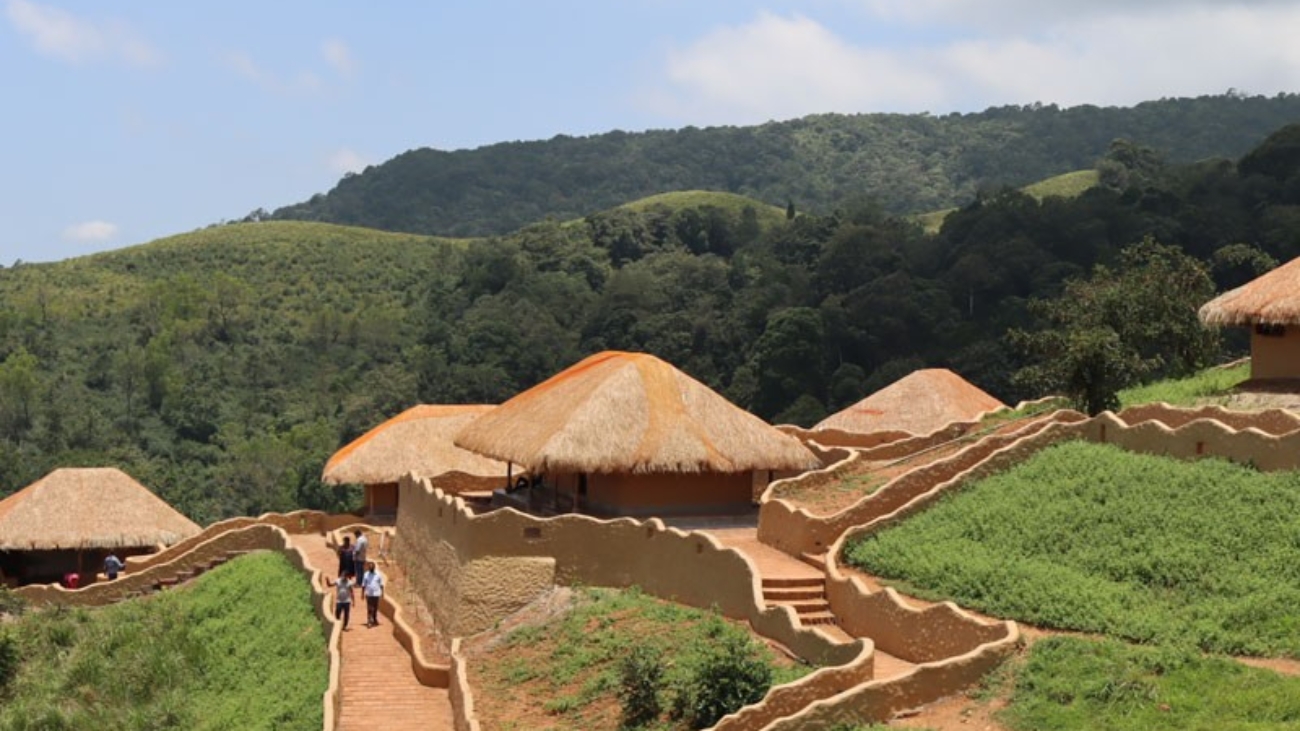
Vythiri taluk—stretching across Kalpetta, Vythiri town, Meppadi, Kaniyambetta, Muttil, Thariyode, Pozhuthana, Chundale, Padinjarathara and the breathtaking hill ranges leading toward Banasura and Lakkidi—is one of Kerala’s most ecologically and economically distinctive zones. With its combination of tea estates, coffee plantations, spices, vegetables, forest resources, lakeside tourism and a fast-growing semi-urban network, Vythiri is poised to become Kerala’s premier hill-range manufacturing and green-industry hub by 2047. With a projected population of 4–4.5 lakh, the taluk can develop into a ₹10,000–₹12,000 crore annual manufacturing economy, centred around plantation value addition, herbal industries, eco-products, hill-range logistics, food-tech, bamboo engineering, and green construction materials.
The most powerful industrial pillar for Vythiri’s future is a Plantation Processing, Tea–Coffee–Spice Mega Cluster, which leverages Meppadi’s tea estates, Chundale’s coffee plantations, Muttil’s pepper belts and the region’s unique climate-driven crops. A 45-acre plantation-tech estate with tea sorting and blending units, coffee roasting and grinding lines, spice-drying tunnels, premium pepper grading, ginger and turmeric processing, essential oil extraction and nutraceutical blending can process 1,00,000–1,30,000 tonnes annually. This cluster can generate ₹2,000–₹2,400 crore and create 18,000–22,000 direct jobs, positioning Vythiri as India’s premium hill-brand producer.
A second major pillar is a Herbal, Ayurveda & Botanical Extracts Manufacturing Cluster, powered by Vythiri’s rich biodiversity and traditional knowledge systems. A 30-acre herbal-tech zone producing essential oils, phytochemicals, natural fragrances, ayurvedic formulations, herbal cosmetics, botanical extracts, nutraceuticals, balms and forest-produce products can generate ₹1,200–₹1,500 crore and employ 10,000–12,000 people, particularly women.
Vythiri’s strong bamboo and forest-resource potential supports a Bamboo Engineering, Eco-Materials & Sustainable Products Cluster. A 30-acre bamboo-industrial park with laminated bamboo boards, bamboo furniture, flooring panels, eco-panels, biodegradable packaging, bamboo construction components and handicraft clusters can generate ₹1,000–₹1,300 crore and support 8,000–10,000 jobs, especially for tribal cooperatives.
Given the hill region’s booming tourism and hospitality-driven economy, Vythiri can also develop a Premium Food-Tech, Bakery & Gourmet Products Manufacturing Hub. A 20-acre cluster producing hill-specialty chocolates, artisan teas and coffees, spice-infused bakery items, handmade confectionery, gourmet snacks, organic beverages and high-value packaged foods can generate ₹600–₹800 crore and support 4,000–6,000 jobs.
The agricultural belts of Kaniyambetta, Pozhuthana and Padinjarathara enable a Highland Agro-Processing & Vegetable Value Chain Cluster. A 25-acre agro-industrial estate processing carrots, beans, cabbage, leafy vegetables, potato, tapioca, ginger and turmeric into dehydrated foods, frozen vegetables, powders, purees and ready-to-cook units can generate ₹800–₹1,000 crore and support 6,000–8,000 workers.
A major opportunity lies in a Hill-Range Green Construction Materials Cluster, focused on sustainable building components for hill architecture. A 20-acre industrial zone producing lightweight blocks, soil-stabilised bricks, bamboo-reinforced panels, eco-bricks, prefabricated hill-housing units and natural insulation materials can generate ₹600–₹800 crore and support 5,000–7,000 workers.
Vythiri’s expanding workshops and small-scale engineering units can power a Light Engineering, Fabrication & Rural Machinery Cluster. A 20-acre estate producing farm tools, plantation equipment, tea/coffee drying machinery, small motors, bakery machinery, greenhouse structures and metal fabrication products can generate ₹500–₹700 crore and support 4,000–6,000 workers.
A key structural requirement for Vythiri’s industrial future is a Wayanad–Hill Corridor Logistics, Cold-Chain & Packaging Hub, located near Kalpetta or Chundale. A 30-acre hub with 10,000–12,000 pallet spaces, 1,200 tonnes of cold storage, tea and coffee consolidation centres, spice sterilisation units, packaging R&D labs, bonded warehouses and AI-driven routing systems can reduce logistics inefficiency from 12–15 percent to 7 percent, saving ₹120–₹150 crore annually for hill-range industries.
Tourism-linked manufacturing presents another major opportunity through a Creative Manufacturing & Hill-Artisan Products Cluster. A 10-acre craft-tech zone producing bamboo crafts, wooden décor, tribal artefacts, tea–coffee souvenir products, natural fibre accessories, eco-friendly stationery, premium candle products and aromatic homeware can generate ₹150–₹250 crore and support 2,500–3,500 artisans.
Human capital development must anchor Vythiri’s transformation. The taluk must train 15,000–18,000 workers annually in tea–coffee processing, spice technology, herbal extraction, bamboo engineering, food safety, packaging science, machine maintenance, digital marketing, creative design and eco-materials manufacturing. A flagship institution—Vythiri Institute of Plantation Technologies, Eco-Industries & Highland Skills (VIPTEHS)—should anchor incubation, skill development and applied R&D, with satellite centres in Meppadi and Kalpetta.
Digital transformation is essential for the hill economy. A Vythiri MSME Digital Grid, connecting 1,800–2,000 enterprises, can offer AI-enabled grading systems for tea and coffee, digital traceability for spices and herbal products, predictive maintenance for machinery, cloud-based production scheduling, e-commerce integration for hill products, and real-time logistics tracking. This digital backbone can increase productivity by 25–35 percent and enable global branding of Vythiri-origin products.
Sustainability must define Vythiri’s industrial identity. By 2047, the taluk should adopt 90–95 percent renewable energy, using micro-hydro systems, forest biomass, bamboo residue, rooftop solar and community energy grids. Industrial water reuse should exceed 85 percent, especially in plantation processing and herbal industries. A circular materials recovery centre processing 8,000–10,000 tonnes of bamboo waste, tea/coffee husk, agro residue, packaging scrap and forest by-products can produce eco-boards, biochar, compost and biodegradable composites.
If implemented with ecological integrity, plantation innovation, sustainable manufacturing and hill-focused policy support, Vythiri can become Kerala’s premium hill-range manufacturing hub by 2047. With ₹10,000–₹12,000 crore in annual industrial output, 1–1.2 lakh direct jobs, and leadership in plantation-products manufacturing, bamboo-tech, herbal industries, gourmet foods, green construction materials, engineering MSMEs and creative crafts, Vythiri will anchor Wayanad’s economic transformation.
