
By 2047, Alappuzha must emerge as Kerala’s model coastal–engineering district, where digital transformation is driven by harbour and coastal engineers working quietly at the interface of water, livelihoods, and climate risk. Alappuzha’s economy is inseparable from backwaters, fishing harbours, canals, tourism waterways, and fragile coastlines. Kerala Vision 2047 positions the Harbour Engineering Department not as a narrow construction wing, but as a system-level employer of engineers who stabilise coastal life through digital intelligence.
Alappuzha’s core challenge is not absence of infrastructure, but unmanaged interaction between sea, backwaters, settlements, and economic activity. Erosion, siltation, flooding, harbour congestion, and declining fish landings are engineering problems amplified by climate change. Vision 2047 reframes digital transformation as a way for engineers to continuously read, model, and correct these systems instead of reacting after damage occurs.
The first transformation is coastal visibility. By 2047, engineers will build a live digital coastal twin of Alappuzha covering shoreline movement, wave energy, sediment flow, harbour depths, and tidal behaviour. Using drones, bathymetric surveys, sensors, and satellite data, engineers can predict erosion hotspots and siltation weeks or months in advance. This shifts harbour engineering from emergency repairs to preventive design, creating steady technical employment rather than episodic contracts.
Fishing harbours form the second engineering focus. Alappuzha’s harbours suffer from congestion, poor landing efficiency, and post-harvest losses. Engineers will digitally map vessel movement, unloading times, ice usage, cold storage capacity, and transport links. By 2047, digital harbour management systems can reduce turnaround time by 30 to 40 percent, directly increasing fisher incomes while employing marine, mechanical, and systems engineers in operations and analytics.
Canal and backwater engineering becomes the third pillar. Alappuzha’s canals are transport routes, drainage systems, and tourism assets simultaneously. Engineers will deploy water-level sensors, flow models, and automated gates to manage flooding and stagnation. Digital coordination between harbour engineering, irrigation, and local bodies allows canals to function as designed systems rather than neglected drains. This creates long-term roles for civil and environmental engineers embedded in district governance.
Climate resilience engineering is the fourth domain. Sea-level rise and extreme rainfall pose existential risks to low-lying Alappuzha. Engineers will use digital elevation models and flood simulations to redesign embankments, harbour walls, and urban edges. By 2047, adaptive coastal infrastructure replaces rigid structures. Engineers are employed continuously in monitoring, recalibration, and redesign as conditions change, rather than rebuilding after failure.
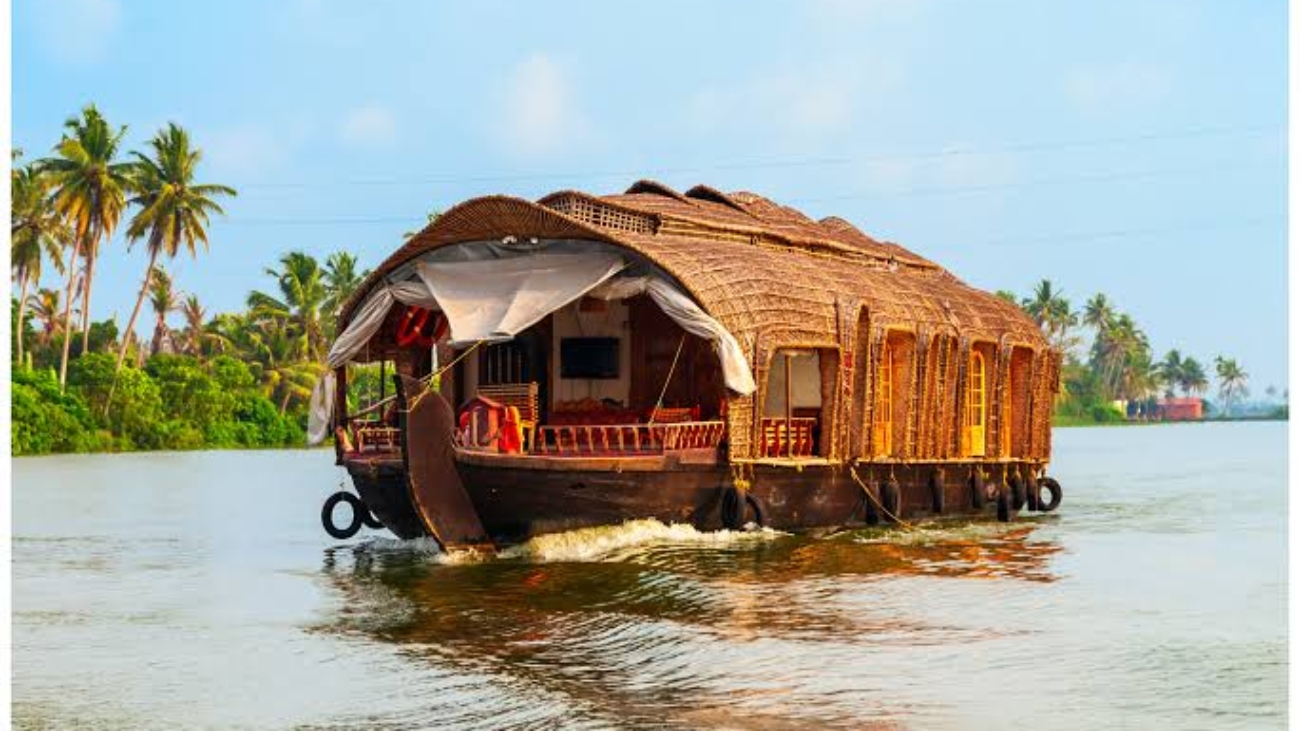
Tourism and water transport engineering forms the fifth layer. Houseboats, ferries, and tourist jetties operate today with limited coordination. Engineers will design digital navigation corridors, waste monitoring systems, and load controls to protect water quality while improving safety. By 2047, Alappuzha can host a regulated, high-quality water transport ecosystem that employs engineers in system management rather than enforcement-heavy policing.
Public works integration is the sixth transformation. Harbour Engineering will digitally coordinate with PWD, Local Self Government institutions, and Tourism to ensure roads, bridges, jetties, and drainage systems work as one coastal system. Engineers will maintain shared digital asset registers that prevent duplicated spending and design conflicts. This coordination itself becomes a skilled engineering function.
Employment stability is the seventh outcome. Vision 2047 estimates that Alappuzha can support 8,000 to 10,000 engineering-linked jobs across harbour, coastal, civil, mechanical, environmental, electrical, and data engineering over two decades. These are place-based jobs tied to water systems, offering continuity and public purpose rather than short-term project churn.
Risk reduction is the eighth and most valuable contribution. Every rupee spent on digital coastal engineering reduces disaster recovery costs multiple times over. Engineers quietly save lives, homes, boats, and livelihoods by preventing failure rather than responding to it. This invisible value becomes the true justification for sustained engineering employment.
By 2047, Alappuzha’s transformation will be subtle but profound. Harbours function smoothly. Canals drain predictably. Flooding reduces. Fishing incomes stabilise. Tourism becomes cleaner. Engineers are not seen only during crises, but as everyday custodians of water systems.
This is the Kerala Vision 2047 for Alappuzha District through the Harbour Engineering Department: a future where engineers do not fight the sea after it strikes, but read it, model it, and design coexistence through digital intelligence, creating dignity, employment, and resilience along Kerala’s most vulnerable waterscape.
