
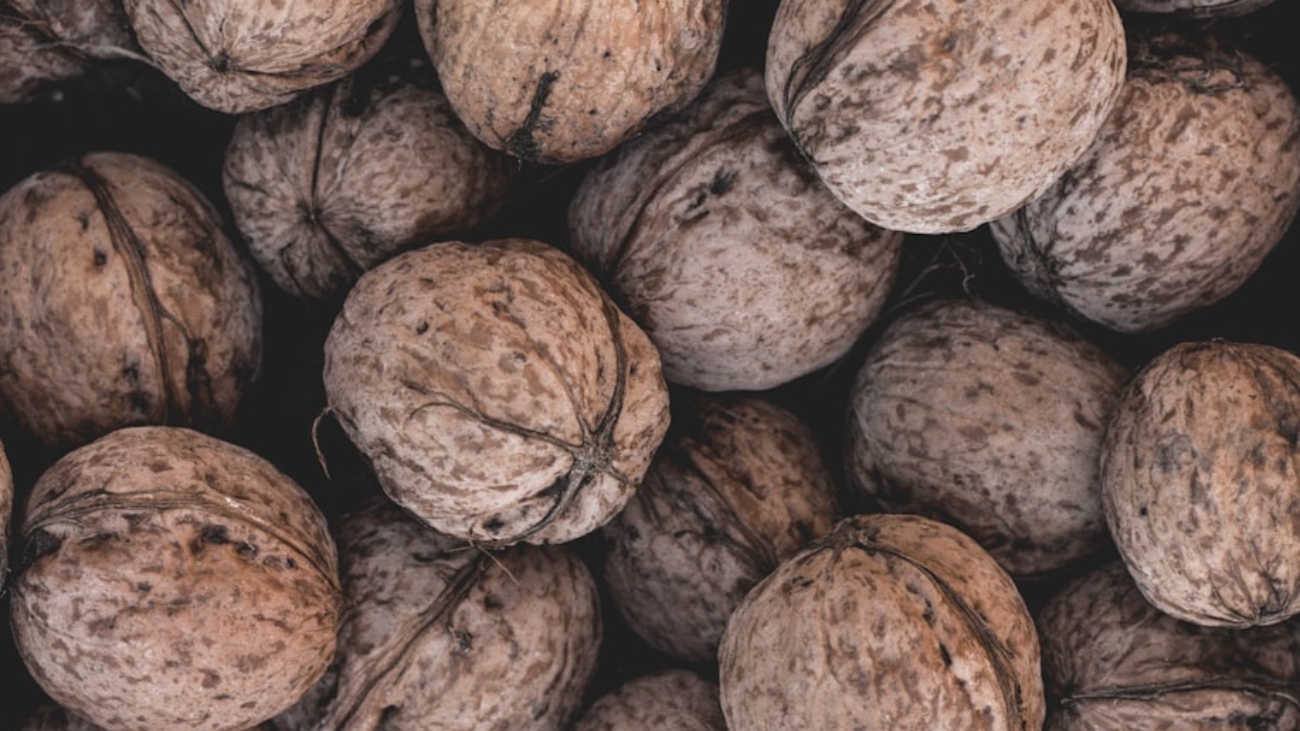
Areca nut, locally known as adakka, is one of Kerala’s quiet but economically important plantation crops. Cultivated extensively across Kasaragod, Kannur, Kozhikode, Malappuram, Thrissur, Palakkad, Ernakulam, Kottayam, and parts of Pathanamthitta, Kerala produces well over one lakh tonnes of areca nut annually. Despite this scale, areca nut remains a vulnerable crop—exposed to disease, price instability, social controversy, and weak value addition. Kerala Vision 2047 must therefore reposition areca nut from a fragile plantation activity into a scientifically managed, diversified, and resilient agro-economic sector.
The first challenge confronting areca nut cultivation is agronomic stress. Yellow leaf disease, root wilt, fungal infections, and declining soil fertility have affected yields in several belts. Climate change has intensified these stresses through erratic rainfall, prolonged humidity, and extreme heat events. By 2047, areca nut cultivation in Kerala must be fully climate-adapted. This requires region-specific cultivation protocols, resistant varieties, improved drainage systems, and strict soil health management. Scientific extension support should move from generic advice to location-specific, data-driven guidance.
Planting material quality is central to long-term sustainability. Many farmers continue to depend on informal seed sources, leading to uneven yields and disease vulnerability. Kerala Vision 2047 should establish a certified areca nut nursery ecosystem, combining public research institutions and regulated private producers. Farmers investing in a perennial crop that takes years to mature must be assured that their initial planting decisions are sound and future-proof.
Economically, areca nut farmers face sharp price swings driven by imports, regulatory uncertainty, and demand fluctuations. While domestic consumption remains strong, lack of predictability discourages long-term investment. Vision 2047 must strengthen price stabilization mechanisms through buffer stocks, calibrated import management, and transparent market intelligence. Farmers should have access to forward price signals that allow rational planning rather than reactive decision-making.
Value addition is where areca nut remains most underdeveloped. Most of Kerala’s produce is sold as raw or minimally processed nut, leaving higher margins to traders and processors elsewhere. By 2047, Kerala should significantly expand local processing capacity—cleaning, grading, slicing, roasting, packaging, and by-product utilization. Organized processing clusters near cultivation belts can improve quality control, reduce wastage, and create rural employment, particularly for women.
Social and health debates around areca nut consumption add another layer of complexity. Rather than ignoring or denying these concerns, Kerala Vision 2047 should adopt a science-based, transparent approach. Research into health impacts, regulated consumption standards, and alternative industrial uses must be encouraged. Exploring non-consumptive applications—such as natural dyes, bio-based materials, compostable products, and pharmaceutical derivatives—can reduce over-dependence on traditional markets while retaining farmer livelihoods.
Intercropping and agroforestry offer powerful resilience pathways. Areca nut is well-suited to multi-crop systems involving pepper, cocoa, banana, nutmeg, and medicinal plants. By 2047, monocrop areca plantations should give way to diversified agroforestry models that stabilize income, improve soil health, and reduce disease risk. Extension services must actively promote and financially support such integrated systems rather than treating them as optional experiments.
Institutional organization among areca nut farmers remains weak compared to the crop’s economic importance. Vision 2047 should prioritize the formation of areca-specific farmer producer organizations capable of aggregating produce, enforcing quality standards, and directly accessing processors and exporters. Organized farmers are better positioned to withstand policy shocks, market volatility, and misinformation.
Sustainability and compliance will increasingly shape the future of plantation crops. By 2047, Kerala’s areca nut sector should align with environmental best practices—efficient water use, reduced chemical inputs, organic transitions where feasible, and waste recycling. Certification and traceability systems can protect Kerala’s produce from reputational risks while opening access to premium and regulated markets.
Ultimately, areca nut must be treated neither as a taboo crop nor as an untouchable tradition, but as a legitimate agricultural livelihood that deserves scientific management, economic foresight, and policy clarity. By 2047, Kerala can build an areca nut economy that is stable for farmers, responsible in public health terms, diversified in end-use, and resilient to climate and market shocks. Done right, areca nut can remain a dependable pillar of rural Kerala without being trapped by controversy or stagnation.
