
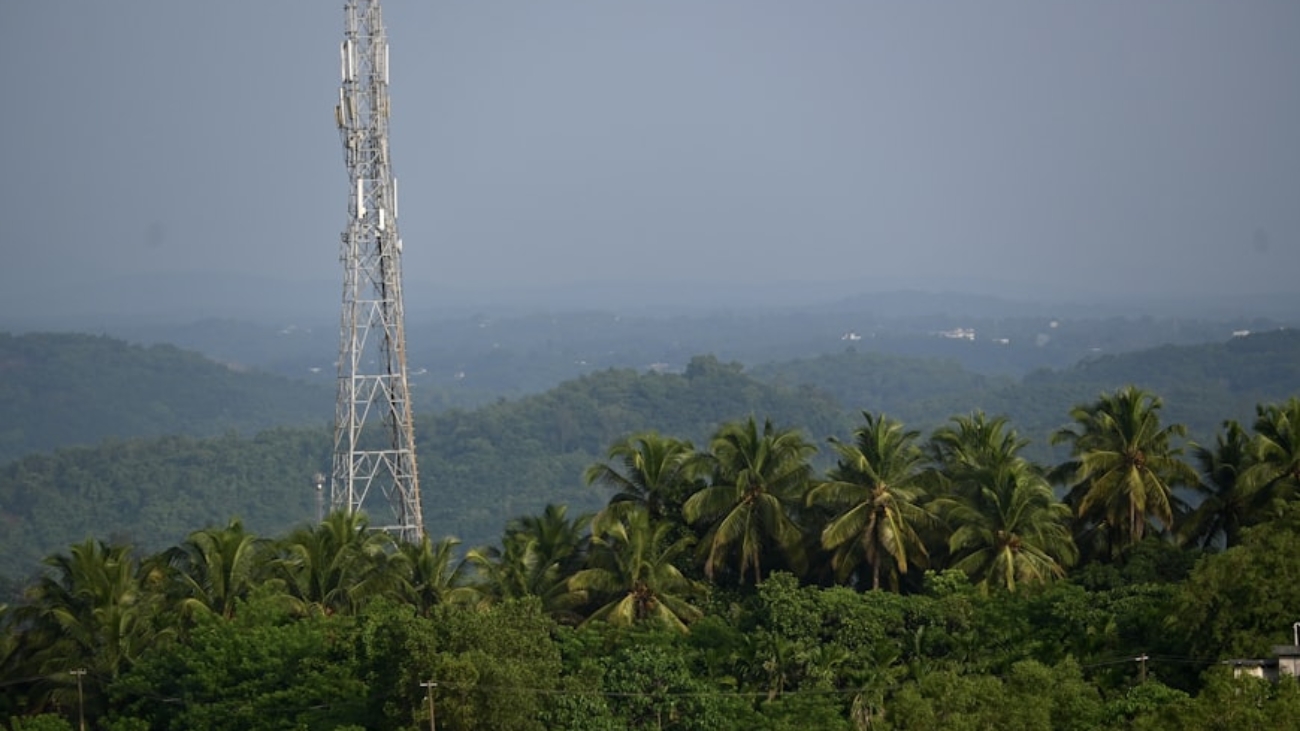
Kerala’s renewable-energy transition is not driven only by megawatt targets or large infrastructure projects. A quieter but equally powerful force lies in state-led energy missions that focus on conservation, safety, system efficiency and citizen participation. Initiatives such as Urja Kerala, Filament-Free Kerala and related utility-led mission programs represent a governance-driven approach to energy reform. By 2047, these missions can form the social and operational backbone of Kerala’s clean-energy future, ensuring that the transition is inclusive, disciplined and durable.
Kerala’s energy challenge is not solely about generation capacity. A significant portion of the state’s electricity demand is shaped by inefficiencies in consumption, outdated appliances, distribution losses and unsafe electrical practices. State energy missions were designed to address these structural weaknesses. By reducing waste before adding supply, Kerala achieves renewable integration at lower cost and with higher reliability. This principle becomes increasingly important as renewable penetration rises and grid flexibility becomes critical.
Filament-Free Kerala demonstrated the power of targeted intervention. By replacing inefficient incandescent bulbs with LED lighting at scale, the state achieved immediate reductions in peak demand and household electricity bills. More importantly, it changed public perception of energy efficiency from a technical issue into a tangible household benefit. By 2047, similar mission-style programs can target cooling efficiency, agricultural pumps, commercial refrigeration and public infrastructure lighting, delivering demand reduction equivalent to large power plants.
Urja Kerala and related safety-focused initiatives address another often-ignored dimension of energy transition: electrical safety and system discipline. Unsafe wiring, overloaded connections and poor maintenance not only cause accidents but also lead to losses and voltage instability. Renewable-heavy grids are less forgiving of such weaknesses. By institutionalising safety audits, modern wiring standards and consumer education, Kerala strengthens the physical foundation required for decentralised renewable systems to operate reliably.
These missions also serve as behavioural-change instruments. Renewable energy adoption is as much about habits as hardware. When citizens engage with efficiency programs, energy audits and safety campaigns, they develop a sense of ownership over the energy system. By 2047, this participatory energy culture can differentiate Kerala from states where transitions are imposed top-down. Informed consumers become partners in grid stability rather than passive recipients of power.
From an economic perspective, mission-led efficiency programs are among the most cost-effective energy investments available. Reducing demand through efficient appliances and better practices costs far less than building new generation and transmission capacity. For a fiscally constrained state, this is strategic prudence. Every unit of energy saved reduces pressure on imports, subsidies and grid expansion. By 2047, cumulative savings from efficiency missions can free public resources for higher-value investments in storage, grid modernisation and innovation.
Decentralisation is another hidden strength of these missions. Rather than concentrating action in a few large projects, state missions operate through local self-government institutions, distribution offices and community networks. This aligns naturally with Kerala’s governance structure. Panchayats, municipalities and wards become implementation nodes for energy reform. By embedding renewable readiness and efficiency at the local level, Kerala builds resilience against systemic shocks and policy reversals.
Technology integration enhances the impact of mission programs. Smart meters, digital billing, consumption analytics and mobile platforms allow utilities to design targeted interventions rather than blanket schemes. Consumers can track savings, utilities can identify loss pockets and policymakers can evaluate outcomes in real time. By 2047, mission programs must fully integrate digital tools, transforming them from campaigns into continuous optimisation systems.
Workforce development is another important outcome. Electricians, energy auditors, appliance technicians and system inspectors trained under mission programs form a skilled base for the renewable economy. These are local jobs that cannot be outsourced. As rooftop solar, storage and electric mobility scale up, this workforce becomes indispensable. State missions thus act as talent incubators, linking social welfare with economic opportunity.
Equity considerations are central to mission-based approaches. Low-income households benefit disproportionately from efficiency gains, as energy costs form a larger share of their expenses. Safety improvements reduce accident risks in vulnerable housing. By 2047, Kerala’s energy missions can be framed explicitly as social protection instruments, aligning renewable transition goals with welfare outcomes rather than treating them as separate agendas.
Institutional continuity determines long-term success. Missions must survive political cycles, leadership changes and administrative reshuffles. This requires embedding them within utility processes, regulatory frameworks and budgetary planning rather than running them as one-off campaigns. By 2047, Kerala’s energy missions should function as permanent governance mechanisms, continuously updating targets as technology and consumption patterns evolve.
Kerala Vision 2047 recognises that energy transformation is not only engineered in power plants and policy documents, but lived in homes, streets and workplaces. State energy missions translate abstract renewable goals into everyday action, building trust, discipline and efficiency across society. By strengthening these mission frameworks, Kerala ensures that its renewable future is not just technologically advanced, but socially rooted and institutionally strong.
