
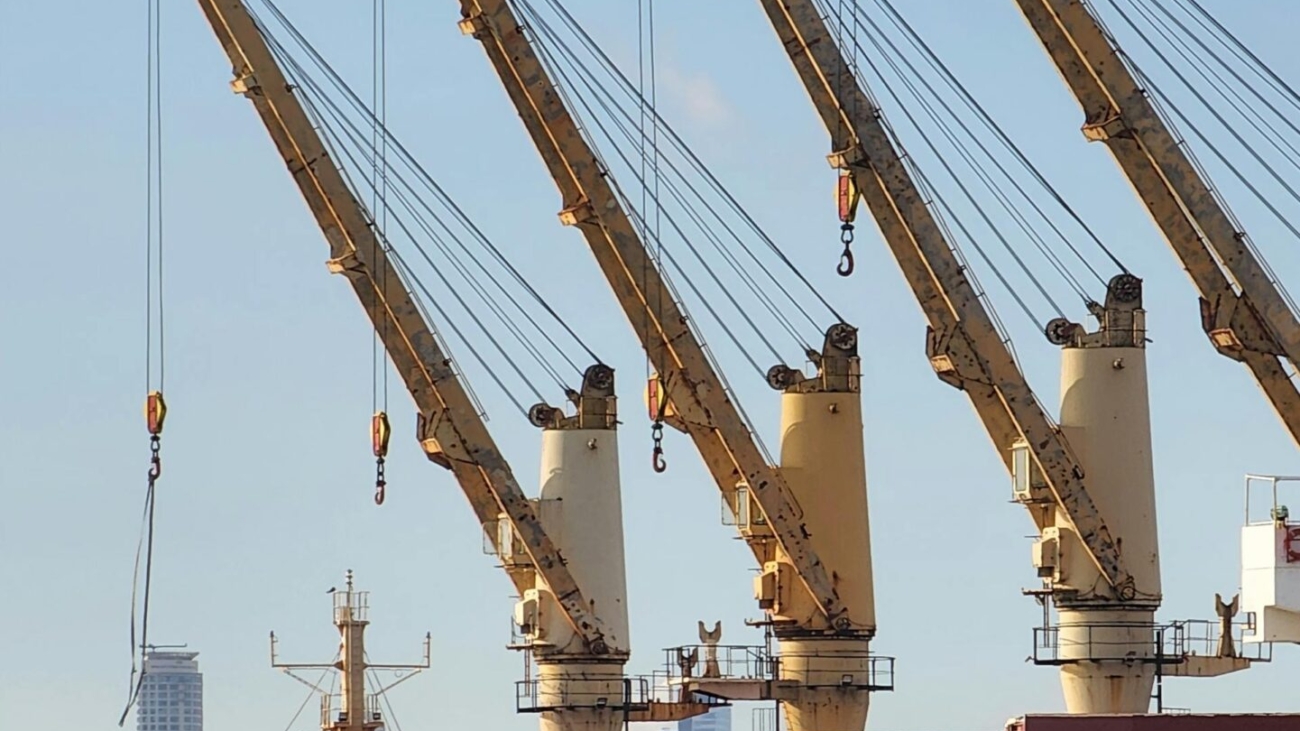
Kerala’s mechanical engineering capacity reaches its highest levels of complexity, precision and responsibility within the defence ecosystem anchored around Kochi, particularly through the Southern Naval Command and associated strategic programmes such as BrahMos Aerospace integration and naval weapons systems. This is not conventional mechanical engineering measured by volume or routine maintenance. It is engineering where tolerances are microscopic, failure is unacceptable, and reliability under extreme conditions is non-negotiable. As Kerala looks toward 2047, this defence-linked mechanical capability represents one of the state’s most advanced and least publicly discussed technical strengths.
The Southern Naval Command, headquartered in Kochi, is the primary training and operational command of the Indian Navy. It oversees a dense concentration of naval bases, dockyards, training establishments and maintenance facilities along the Kerala coast. Within this ecosystem, mechanical engineering is central. Ships, submarines, propulsion systems, auxiliary machinery, weapons platforms and onboard life-support systems all depend on continuous mechanical reliability. Every rotating shaft, valve, gearbox and hydraulic system must operate flawlessly under saltwater corrosion, vibration, thermal cycling and combat conditions.
Mechanical engineering work here spans the full lifecycle of naval assets. During induction and commissioning, engineers are involved in installation, alignment, calibration and testing of propulsion systems, reduction gearboxes, shaft lines and propellers. These are not plug-and-play systems. Even minor misalignment measured in fractions of a millimetre can cause vibration, noise and long-term damage. Precision laser alignment, vibration analysis and dynamic balancing are routine tasks rather than specialised exceptions.
Maintenance and refit operations form another major mechanical workload. Naval vessels operate for decades, often exceeding 30 to 40 years of service life. Over this period, mechanical systems undergo multiple overhauls. Engines are stripped, inspected and rebuilt. Bearings, seals and shafts are replaced. Heat exchangers and condensers are cleaned and pressure-tested. Hydraulic systems are flushed and recalibrated. Each refit cycle can involve thousands of individual mechanical tasks executed within tight operational timelines.
Weapons systems add another layer of engineering intensity. Platforms such as BrahMos, while primarily known for aerospace and missile technology, depend heavily on mechanical subsystems. Launch canisters, ejection mechanisms, shock-absorption systems, structural mounts and thermal protection assemblies are all mechanical in nature. These components must withstand extreme acceleration, vibration and thermal loads while maintaining absolute dimensional integrity. Mechanical engineers involved in such systems work at the intersection of materials science, structural analysis and precision fabrication.
The coastal location of Kerala introduces unique engineering challenges. Salt-laden air accelerates corrosion, especially in ferrous alloys. Mechanical systems must therefore be designed, coated and maintained with corrosion resistance as a primary criterion. This leads to extensive use of specialised alloys, surface treatments, cathodic protection systems and controlled lubrication regimes. Engineers continuously monitor corrosion rates, fatigue life and wear patterns to prevent unexpected failures.
Training institutions under the Southern Naval Command contribute significantly to mechanical capability building. Thousands of naval engineers and technicians are trained annually in marine engineering, propulsion systems, hydraulics, pneumatics and mechanical diagnostics. Over a career span of 20 to 30 years, these personnel accumulate deep experiential knowledge that cannot be replicated through academic training alone. This human capital is one of Kerala’s most valuable but invisible engineering assets.
Mechanical engineering within the naval ecosystem is increasingly data-driven. Sensors monitor temperature, pressure, vibration and flow rates across critical systems. Condition-based maintenance has replaced purely schedule-based approaches. Engineers analyse data trends to predict failures before they occur. This shift reduces downtime, extends asset life and improves operational readiness. The integration of mechanical engineering with data analytics and control systems represents the future trajectory of defence maintenance.
Fabrication and repair capabilities in Kochi are another strategic strength. Heavy machining, welding, precision fabrication and non-destructive testing are carried out within secure facilities. Components weighing several tonnes are machined to tight tolerances. Welds are inspected using ultrasonic and radiographic methods. Pressure vessels and piping systems undergo hydrostatic testing. These capabilities ensure that critical repairs do not depend entirely on external suppliers, enhancing operational autonomy.
Safety standards in defence mechanical engineering are exceptionally high. Systems operate under high pressure, high temperature and high rotational speeds. Failure can result not only in equipment damage but loss of life. As a result, procedures are layered with inspections, redundancies and certifications. Engineers are trained to think conservatively, design margins generously and document rigorously. This culture of safety has broader implications for Kerala’s engineering ethos, influencing practices in civilian sectors as well.
The scale of mechanical operations is substantial. A single large naval vessel contains thousands of mechanical components, kilometres of piping and hundreds of rotating machines. Multiply this across fleets, training vessels and support ships, and the mechanical workload becomes immense. Continuous operations ensure that workshops, dry docks and testing facilities operate year-round, creating stable demand for high-skill mechanical expertise.
From a strategic perspective, defence-linked mechanical engineering contributes to national self-reliance. Indigenous maintenance, upgrade and integration capabilities reduce dependence on foreign original equipment manufacturers. This is particularly important as geopolitical uncertainties affect supply chains. Kerala’s role in hosting and sustaining these capabilities positions the state as a critical node in India’s long-term defence infrastructure.
Looking toward 2047, the nature of naval warfare and maritime security will evolve. Autonomous systems, hybrid propulsion, advanced materials and energy-efficient designs will become standard. Mechanical engineers will need to work alongside software, electronics and AI specialists. However, the physical realities of ships, engines and weapons will remain. No amount of software can replace sound mechanical design and maintenance. Kerala’s existing base provides a strong foundation for this transition.
There is also a spillover effect into civilian industry. Retired naval engineers often move into shipyards, power plants, water utilities and industrial maintenance roles across Kerala. The discipline, precision and safety culture they bring elevates standards in these sectors. Over decades, this cross-pollination strengthens the state’s overall mechanical engineering ecosystem.
Despite its importance, defence mechanical engineering remains largely invisible to the public. Security considerations limit publicity, and outcomes are measured in readiness rather than profit. Yet its impact is profound. It sustains high-end skills, advanced fabrication capabilities and a culture of engineering excellence that few regions possess.
As Kerala articulates its vision for 2047, sectors like defence mechanical engineering deserve recognition not for symbolic reasons, but for strategic ones. They represent depth rather than scale, resilience rather than speed, and long-term capability rather than short-term output. In an era of increasing complexity and uncertainty, such qualities are invaluable.
