
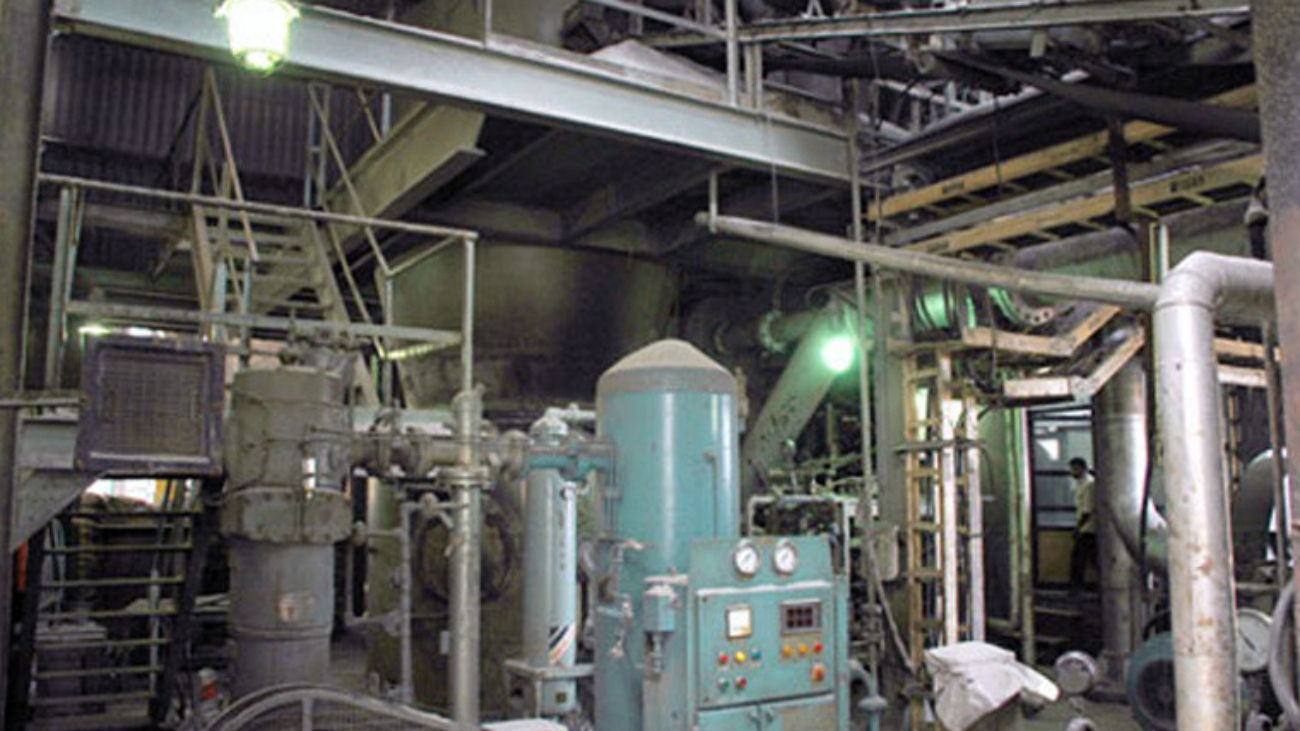
Kerala’s mechanical engineering depth reaches a different level when it moves from utilities and infrastructure into continuous-process heavy industry. The Kerala Minerals and Metals Limited, KMML, located at Chavara, represents this category more clearly than any other organisation in the state. Unlike project-based engineering or intermittent maintenance environments, KMML operates mechanical systems that run continuously, under chemical, thermal and abrasive stress, where stoppages translate directly into production loss. As Kerala looks toward 2047, this kind of industrial mechanical capability remains rare, valuable and strategically important.
KMML is one of India’s largest producers of titanium dioxide pigment, operating a complex industrial process chain that begins with mineral separation and ends with finished chemical products. Mechanical engineering is embedded at every stage of this chain. Raw material handling, crushing, grinding, chemical reactors, kilns, conveyors, pumps, agitators, filters and dryers operate as an integrated system. Failure in any single mechanical component can force shutdown of entire sections of the plant.
Material handling is one of the most mechanically demanding aspects of KMML’s operations. Large volumes of mineral sand and intermediate materials are moved continuously using conveyors, screw feeders, bucket elevators and slurry pipelines. These systems face constant abrasion, misalignment and wear. Mechanical engineers must select materials, liners and drive systems that balance durability with energy efficiency. Maintenance is preventive rather than reactive, because unexpected failures disrupt chemical process stability.
Rotating machinery dominates the plant environment. Pumps, blowers, fans, agitators and mills operate for thousands of hours annually. Many handle corrosive or abrasive fluids, requiring specialised seals, bearings and shaft materials. Cavitation, vibration and thermal expansion are persistent risks. Mechanical engineers monitor operating parameters closely, interpreting subtle changes in sound, temperature or power consumption as early warning signs.
Kilns and thermal systems introduce another layer of complexity. High-temperature operation places stress on refractory linings, shells, support rollers and drive mechanisms. Thermal expansion must be accommodated without inducing structural damage. Shutdowns for kiln maintenance are costly and time-consuming, often requiring coordinated mechanical, civil and refractory work. Planning these shutdowns is a major engineering exercise in itself.
Chemical process equipment demands strict mechanical integrity. Reactors, pressure vessels, heat exchangers and pipelines must withstand pressure, temperature and corrosive environments. Mechanical engineers ensure that weld quality, material selection and inspection regimes meet safety standards. Even small leaks can escalate into serious safety and environmental incidents, making mechanical reliability non-negotiable.
Corrosion management is a continuous challenge at KMML. Salt-laden coastal air combines with chemical exposure to accelerate material degradation. Protective coatings, cathodic protection and material upgrades are ongoing processes rather than one-time solutions. Engineers balance cost with lifespan, often choosing higher-grade materials to reduce long-term maintenance burden.
Maintenance strategy at KMML reflects industrial maturity. Predictive and condition-based maintenance is prioritised over breakdown repair. Vibration analysis, oil analysis and thermography are used to anticipate failures. Mechanical engineers schedule interventions during planned stoppages, minimising disruption to production. This approach requires deep understanding of machine behaviour built through experience rather than manuals.
Fabrication and in-house repair capabilities are another strength. Custom components, brackets, liners and modifications are often fabricated on-site. This reduces dependence on external suppliers and shortens repair cycles. Mechanical engineers work closely with workshop teams, translating field issues into design changes that improve reliability.
The scale of KMML’s mechanical system is cumulative. Hundreds of machines operate simultaneously, interconnected through process flows. While individual components may not appear dramatic, their collective reliability determines plant output. Small efficiency losses, when multiplied across the system, translate into significant energy and cost penalties. Engineers therefore focus on incremental improvements rather than dramatic redesigns.
Safety culture in continuous-process industry is deeply mechanical. Lockout procedures, pressure relief systems, guarding and emergency shutdown mechanisms are integral to plant design. Mechanical engineers play a central role in hazard identification and mitigation. Incidents in such environments can escalate rapidly, making conservative design and disciplined operation essential.
The workforce at KMML carries specialised industrial knowledge. Engineers and technicians develop intimate familiarity with specific machines and process sections over years. This tacit knowledge enables rapid diagnosis of issues that might puzzle external consultants. Retaining and transferring this knowledge is a strategic concern as the workforce ages.
Environmental compliance adds further mechanical demands. Effluent treatment plants, scrubbers, dust collection systems and waste handling infrastructure must operate reliably to meet regulatory standards. These systems are mechanically intensive and often operate under harsh conditions. Failure here can halt production irrespective of core process performance.
KMML’s role extends beyond production. As a public-sector unit, it contributes to regional employment, skill development and industrial culture. Engineers trained in continuous-process environments often move into other industries, power plants and utilities across Kerala, carrying with them a mindset of reliability and process discipline.
Looking toward 2047, industrial processes will face pressure to become cleaner, more efficient and more automated. Yet the physical realities remain unchanged. Materials must still be moved, heated, reacted and cooled. Mechanical systems will remain the backbone beneath automation and digital control. KMML’s experience positions Kerala to adapt to these shifts without losing industrial capability.
There is also a strategic materials dimension. Titanium dioxide and related minerals are critical inputs for multiple industries. Maintaining domestic production capability reduces dependence on imports and volatile global markets. Mechanical reliability is central to sustaining this capability.
Despite its importance, KMML rarely features in popular narratives about engineering excellence. Its work is continuous, repetitive and demanding rather than spectacular. Yet this is precisely what makes it valuable. Continuous-process mechanical engineering builds resilience, discipline and depth.
As Kerala defines its industrial future, the ability to operate and maintain complex mechanical systems at scale will matter as much as attracting new sectors. KMML demonstrates that such capability already exists within the state. The challenge is to modernise it, support it and integrate it into a broader industrial strategy.
Mechanical engineering at KMML is measured not in innovation cycles, but in uninterrupted operation. In a future where supply chains are uncertain and industrial reliability is prized, this form of engineering excellence will become increasingly important.
