
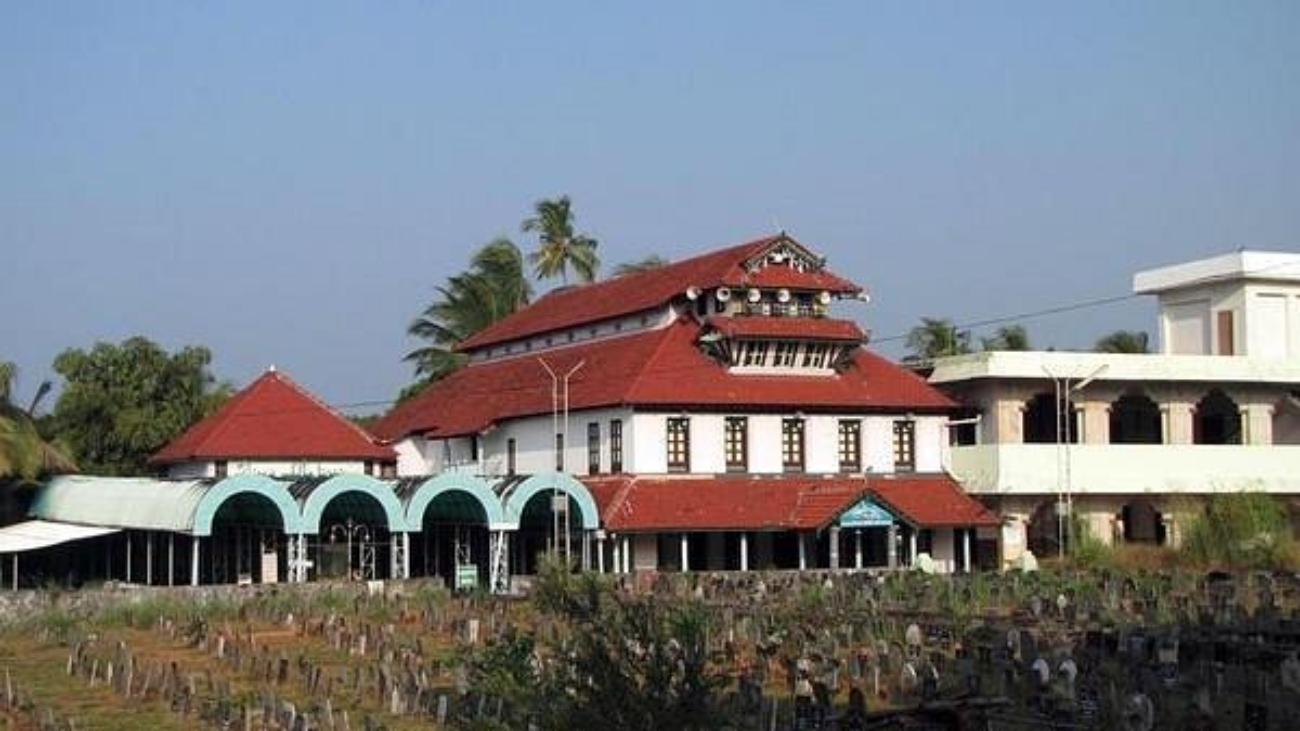
Urban areas in Kerala are expanding rapidly, and a significant proportion of Muslim households live in dense towns and city neighbourhoods shaped by decades of unplanned growth. While these areas are economically active, they often suffer from overcrowding, aging housing stock, inadequate sanitation, traffic congestion, and limited public spaces. As Kerala looks toward 2047, a community-led urban renewal and housing quality improvement program focused on Muslim neighbourhoods can transform everyday living conditions while strengthening local economies and social cohesion.
Many Muslim-dominated urban pockets grew organically around mosques, markets, ports, and transport corridors. Over time, incremental construction without integrated planning has resulted in narrow roads, poor drainage, unsafe buildings, and strained civic services. These conditions affect health, safety, and productivity, even though residents may be economically active. The challenge is not displacement, but upgrading these neighbourhoods in place while preserving social networks and livelihoods.
The core principle of this program is participatory planning. Residents, shop owners, mosque committees, women’s groups, and youth organisations must be involved from the outset in identifying priorities. When communities help define problems and solutions, resistance reduces and ownership increases. Local knowledge about flooding points, traffic bottlenecks, and shared spaces becomes a valuable planning input rather than an afterthought.
Housing quality improvement is a central component. Many families live in structurally weak or overcrowded homes due to incremental construction and financial constraints. The program promotes low-interest renovation loans, technical guidance for safe retrofitting, and access to approved building designs suited to dense urban plots. Improving ventilation, sanitation, fire safety, and structural stability enhances quality of life without forcing relocation.
Urban renewal also includes upgrading basic infrastructure. Improved drainage systems, pedestrian-friendly streets, waste management solutions, and street lighting directly affect health and safety. Small but well-designed interventions often yield large benefits in dense neighbourhoods. Coordinating these upgrades with municipal plans ensures that Muslim neighbourhoods are integrated into the city rather than treated as isolated pockets.
Livelihood protection is essential during renewal. Many residents depend on street-facing shops, home-based enterprises, and informal services. Renewal plans must accommodate these economic activities through better shopfront design, designated vending zones, and improved access rather than eviction. When livelihoods improve alongside infrastructure, support for renewal deepens.
Public spaces play a quiet but powerful role in social wellbeing. Community parks, reading rooms, women-friendly spaces, and youth sports facilities create outlets beyond narrow streets and crowded homes. Integrating such spaces near mosques, schools, and markets makes them culturally accessible and widely used. Well-used public spaces also reduce social tensions and improve safety.
Environmental resilience is increasingly important. Many Muslim neighbourhoods are located near coastal zones, canals, or low-lying urban areas vulnerable to flooding. The program incorporates climate-sensitive design such as permeable surfaces, rainwater harvesting, improved drainage gradients, and tree cover. These measures reduce disaster risk while lowering long-term maintenance costs.
Digital tools can enhance transparency and efficiency. Mapping buildings, infrastructure gaps, and service delivery issues through simple digital platforms helps prioritise interventions and track progress. Residents can report issues, monitor works, and provide feedback, building trust between communities and local governments.
Financing mechanisms must be inclusive and realistic. Blended finance models combining government schemes, municipal funds, cooperative housing finance, and community contributions spread costs and reduce dependence on any single source. Shariah-compliant housing finance options can increase uptake among Muslim households while maintaining repayment discipline.
Capacity building within communities ensures sustainability. Training local youth as para-planners, surveyors, and maintenance coordinators creates employment while embedding skills locally. Over time, neighbourhood-level institutions can manage assets, maintain infrastructure, and liaise effectively with municipalities.
Governance coordination is critical. Urban renewal often fails due to fragmented responsibilities across departments. Dedicated ward-level task forces with representation from planning, health, engineering, and community groups can align actions and timelines. Clear communication reduces delays and cost overruns.
From a Kerala Vision 2047 perspective, community-led urban renewal strengthens cities from within. It improves public health, productivity, and social harmony without large-scale displacement or gentrification. For Muslim communities, it restores dignity to everyday living spaces while unlocking the economic potential of well-located urban land.
By 2047, success would be visible in safer homes, cleaner streets, resilient infrastructure, and neighbourhoods that balance tradition with modern urban standards. Muslim urban areas would be recognised not as problem zones but as vibrant, upgraded communities contributing actively to Kerala’s urban future.
