
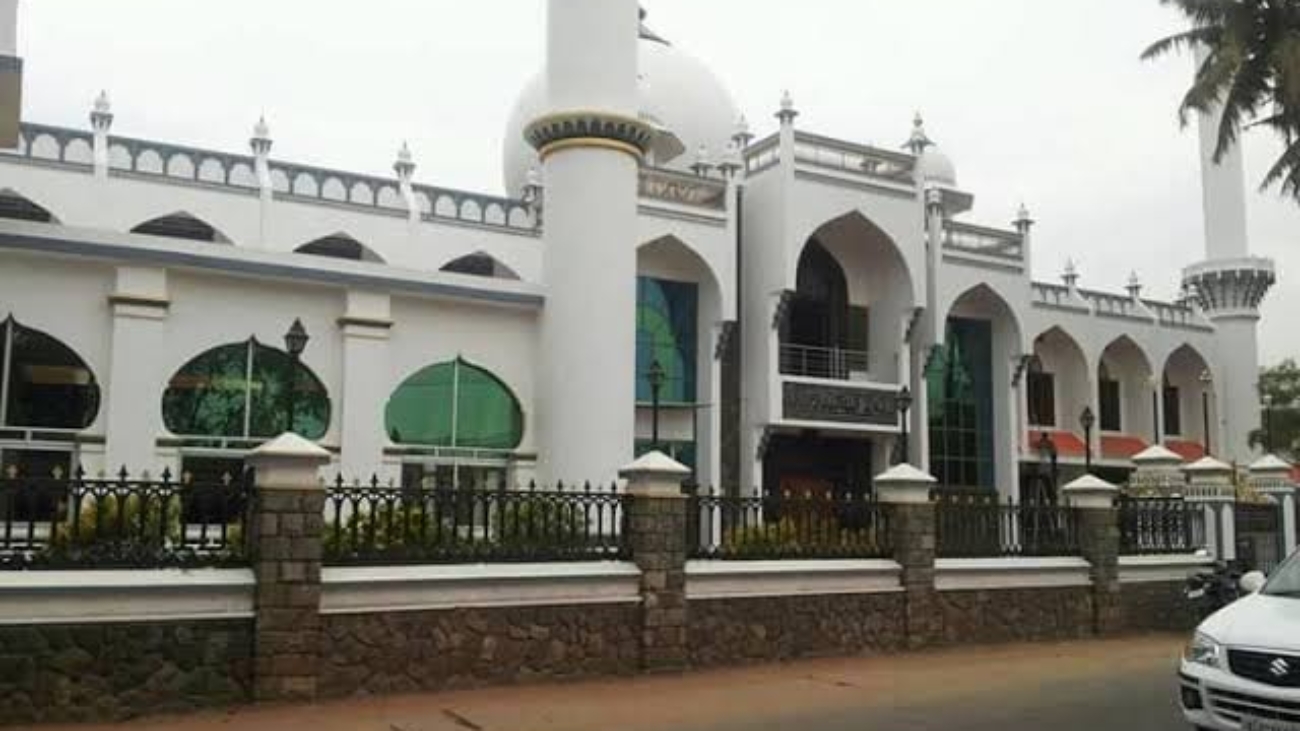
Mosques in Kerala have historically functioned as more than places of worship. They have served as centres of learning, charity, mediation, and community organisation, especially within the Muslim population. Over time, many heritage mosques have faced physical deterioration, regulatory constraints, and shrinking community engagement beyond ritual functions. As Kerala moves toward 2047, a program focused on heritage mosque conservation and transformation into community economic hubs can preserve cultural identity while activating local development.
Kerala’s mosque architecture reflects diverse influences, from indigenous timber structures to coastal trade-era designs. These buildings carry historical, aesthetic, and social value, yet conservation efforts are often fragmented or reactive. Aging structures face risks from climate exposure, inadequate maintenance, and unscientific renovations. This program begins with systematic documentation and conservation planning that respects architectural integrity while ensuring safety and usability.
Conservation is approached not as freezing structures in time, but as adaptive preservation. Structural strengthening, climate-resilient materials, and sensitive retrofitting allow mosques to remain functional while extending their lifespan. Collaboration with conservation architects, engineers, and heritage experts ensures that interventions enhance rather than erase historical character. Funding mechanisms prioritise transparency and technical oversight to prevent misuse.
Beyond physical conservation, the program reimagines mosques as multi-functional community anchors. Many mosques have underutilised spaces that can host libraries, study halls, counselling rooms, skill training centres, and community offices. When designed thoughtfully, these functions coexist harmoniously with religious activities and increase daily engagement across age groups.
Education and knowledge-sharing form a central pillar. Mosque-linked libraries and learning spaces can support students, competitive exam aspirants, and lifelong learners. Access to digital resources, tutoring programs, and mentorship creates educational uplift without the need for large new infrastructure. These initiatives are particularly valuable in dense urban and semi-urban Muslim neighbourhoods.
Economic activity linked to mosques must be carefully structured and ethical. Community-owned enterprises such as cooperative shops, service centres, event facilities, and rental spaces can generate steady income for maintenance and social programs. Clear separation between religious governance and commercial operations prevents conflicts and ensures accountability. Revenues are reinvested into education, healthcare support, and welfare activities rather than private gain.
Women’s inclusion strengthens impact. Dedicated spaces for women-led learning circles, entrepreneurship training, and counselling within mosque complexes increase participation while respecting cultural comfort. When women access community resources locally, household-level benefits multiply across education, health, and income stability.
Youth engagement is another priority. Mosques that offer sports clubs, technology access points, debate forums, and volunteer programs become attractive spaces rather than distant institutions. Youth participation reduces social alienation and builds leadership pipelines rooted in community service rather than confrontation.
Digital transformation enhances governance and outreach. Transparent accounting systems, online donation tracking, event scheduling, and communication platforms improve trust and efficiency. Digitally enabled mosques can coordinate social initiatives more effectively and respond faster during emergencies.
Environmental sustainability aligns naturally with community values. Solar installations, rainwater harvesting, waste management, and green landscaping reduce operating costs and model responsible stewardship. Mosques can become visible examples of climate-conscious community infrastructure.
Governance reform is essential for long-term success. Clear bylaws, professional management practices, and periodic audits reduce internal conflicts and politicisation. Training mosque committee members in basic administration, legal compliance, and conflict resolution strengthens institutional resilience.
Partnerships amplify impact. Collaboration with local governments, educational institutions, NGOs, and philanthropic organisations allows mosques to access expertise and funding without losing autonomy. Well-defined roles prevent dependency while encouraging cooperation.
From a Kerala Vision 2047 perspective, revitalised mosques contribute to social cohesion, decentralised service delivery, and heritage conservation. They strengthen neighbourhood resilience without heavy public expenditure. For the Muslim community, they restore mosques as holistic institutions that integrate faith, knowledge, and economic participation.
By 2047, success would be visible in well-maintained heritage mosques that serve as vibrant community hubs, supporting education, livelihoods, and social wellbeing. These spaces would stand as living institutions, rooted in tradition yet responsive to contemporary needs, contributing quietly but powerfully to Kerala’s inclusive future.
