
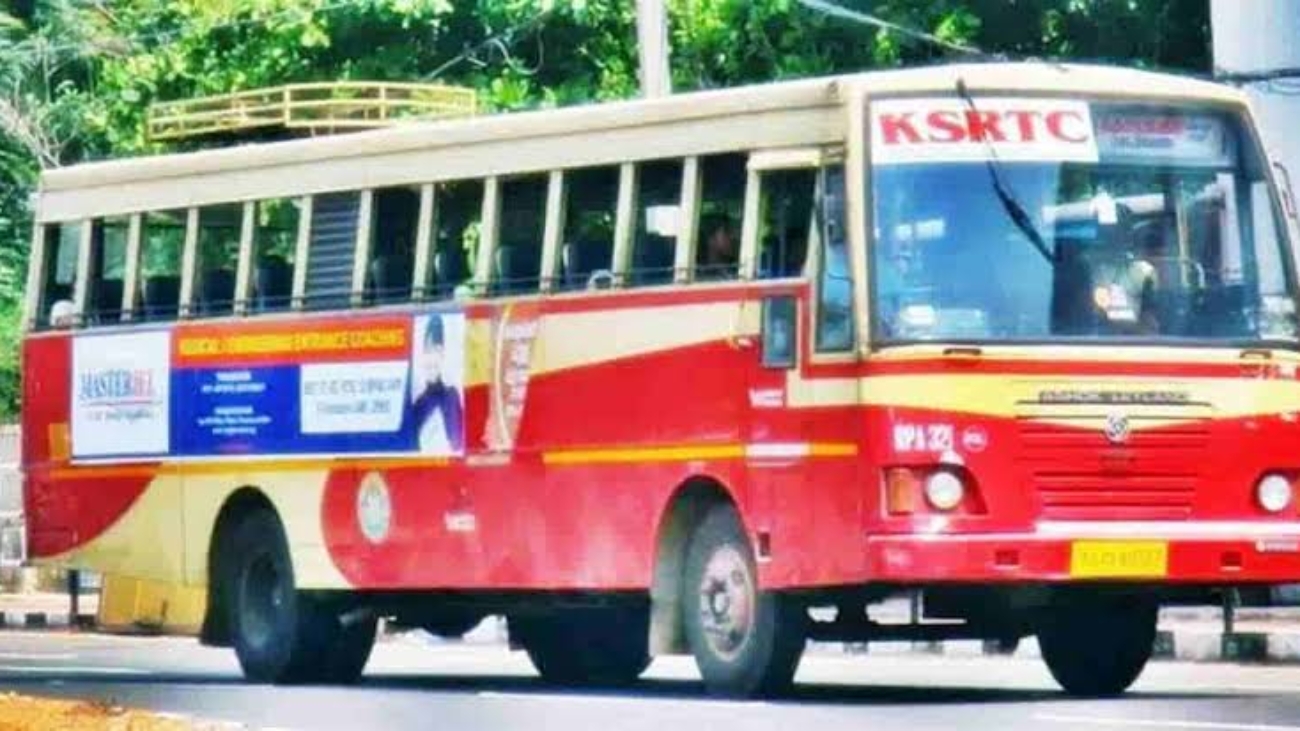
Kerala’s transport debate rarely acknowledges that KSRTC is one of the largest generators of behavioural and mobility data in the state. Every day, millions of passengers interact with its buses, schedules, stops, depots, and ticketing systems. Even with conservative estimates, KSRTC handles 12 to 15 million passenger journeys per day across seasons. Each journey produces data points on origin, destination, time of travel, congestion, delays, crowding, and route preferences. Today, most of this data is either unused or reduced to basic operational reporting. By 2047, this data can be transformed into a strategic public asset that reshapes planning, commerce, and governance in Kerala.
A structured mobility data platform anchored in KSRTC would begin with standardising and cleaning existing datasets. GPS feeds, electronic ticketing logs, depot-level operational records, and maintenance data already exist in fragments. Integrating these into a unified state mobility data lake creates a continuously updating picture of how Kerala actually moves, not how planners assume it moves. For example, understanding that a particular corridor sees peak demand not at 9 am but at 6.45 am can influence school timings, factory shifts, and traffic enforcement far more effectively than static surveys.
The economic value of such data is substantial. Urban local bodies, smart city missions, disaster management authorities, and infrastructure planners all currently commission separate studies costing ₹1 to ₹5 crore each. A centralised KSRTC mobility data subscription model can replace fragmented studies with real-time insights. If just 10 government departments subscribe at ₹1 crore per year and 40 private entities such as retail chains, logistics firms, and real estate developers subscribe at ₹50 lakh per year, this creates ₹30 crore in annual recurring revenue. This is non-fare income generated without adding a single bus or employee.
The governance impact is even more significant. Kerala faces recurring floods, landslides, and monsoon disruptions. KSRTC buses are often the first indicators of road failure, congestion, or isolation. Real-time bus stoppage and rerouting data can feed directly into district emergency operations centres. If a bus fails to reach a scheduled point within a defined time window, it becomes an automated alert for possible road damage or flooding. This converts KSRTC into a live sensor network spanning urban and rural Kerala, something no private platform can replicate at scale.
From a social equity perspective, mobility data exposes invisible exclusion. By mapping areas with consistently low service frequency or long travel times to hospitals and colleges, the state can objectively identify mobility poverty. Panchayats with poor access can be prioritised for guaranteed services, road upgrades, or last-mile connectivity. This shifts welfare planning from anecdotal complaints to evidence-based intervention. Over time, reductions in average travel time to essential services become measurable development indicators, similar to literacy or health outcomes.
Commercial applications also extend beyond transport. Retail chains can analyse passenger footfall patterns to decide store locations. Tourism departments can understand seasonal movement spikes to beaches, temples, and hill stations with precision instead of relying on hotel occupancy estimates. Agricultural marketing boards can track early morning travel patterns from rural belts to urban markets, helping align procurement timings and reduce spoilage. Each of these applications reinforces KSRTC’s relevance far beyond ticket sales.
Privacy and ethics are central to this vision. All data must be anonymised, aggregated, and governed under a transparent public data policy. KSRTC does not sell individual data but insights derived from patterns. By positioning itself as a trusted public data custodian rather than a commercial surveillance entity, KSRTC can set ethical standards for mobility data use in India. This trust is itself a long-term institutional asset.
Internally, data monetisation improves operations. Predictive maintenance models using historical breakdown data can reduce on-road failures by 20 to 30 percent. Route-level profitability can be analysed with far greater nuance, factoring in social value and time-of-day demand rather than daily averages. Driver scheduling, fuel efficiency, and depot utilisation can be optimised using evidence rather than intuition. Even a 5 percent improvement in operational efficiency across a system as large as KSRTC translates into savings of several hundred crore rupees over a decade.
By 2047, Kerala will need to coordinate transport with energy, housing, climate adaptation, and employment planning. A data-driven KSRTC becomes the backbone of this coordination. It stops being viewed as a struggling transport corporation and instead emerges as Kerala’s most extensive real-world data infrastructure, quietly shaping decisions across sectors. This is not a futuristic experiment but a logical extension of assets KSRTC already owns but has never fully valued.
