
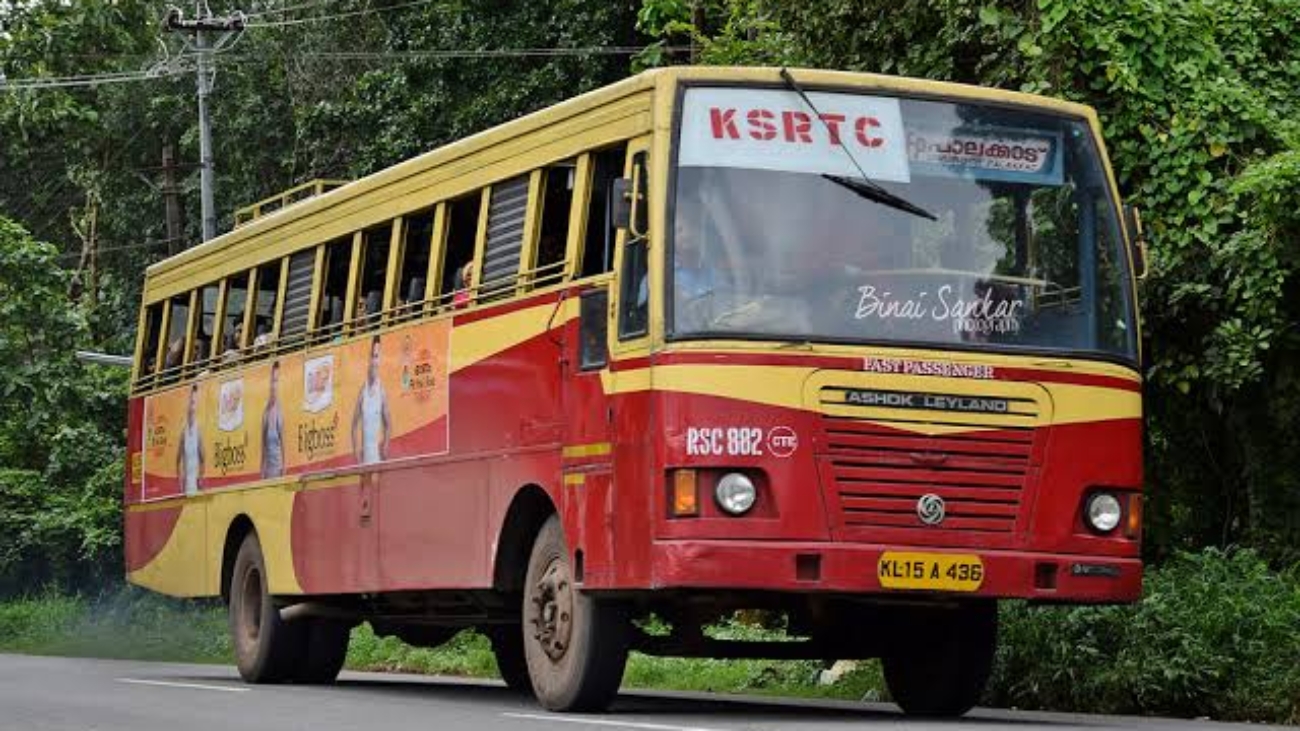
Kerala’s energy system and transport system are planned as if they are unrelated, even though electrification is forcing them into deep interdependence. By 2047, a large share of KSRTC’s fleet will be electric, carrying batteries far larger than those found in private vehicles. A standalone reimagining positions KSRTC as a distributed energy asset for Kerala, actively supporting grid stability rather than merely consuming power.
An electric bus typically carries a battery pack of 250 to 350 kWh. If Kerala operates even 3,000 electric KSRTC buses by 2047, the aggregate onboard storage exceeds 900 MWh. At present, this capacity is treated as dead weight when buses are parked. In reality, it is one of the largest mobile energy storage systems in the state. With vehicle-to-grid capability, a small fraction of this stored energy can be made available to the grid during peak demand hours without affecting scheduled services.
Assume just 2,000 buses participate in a controlled vehicle-to-grid program, each contributing 20 kWh during peak evening demand. That creates 40 MWh of flexible capacity available daily. At peak power tariffs of ₹7 to ₹9 per unit, this translates to ₹10 to ₹13 crore annually, even with conservative utilisation. More importantly, this flexibility reduces the need for expensive peaking power purchases and diesel generators, which currently impose both financial and environmental costs on Kerala.
The system design is critical. Participation is automated and conditional, triggered only when buses are parked with sufficient charge margin to complete their next scheduled trip. Depot-level energy management systems prioritise fleet readiness first and grid support second. This ensures zero operational risk to transport services. Over time, depots themselves become micro energy hubs with solar rooftops, stationary batteries, and grid interfaces coordinated with KSRTC’s fleet batteries.
The public value extends beyond revenue. Kerala’s renewable energy profile is increasingly solar-heavy, creating midday surplus and evening shortages. KSRTC’s distributed batteries absorb excess solar power during the day and release small amounts during evening peaks. This smooths demand curves and improves renewable utilisation. Even a 5 percent improvement in renewable absorption reduces curtailment losses that currently run into tens of crores annually.
From a financial governance perspective, this model allows KSRTC to negotiate preferential electricity tariffs. By offering grid services such as peak shaving and frequency support, KSRTC can offset charging costs. Over a decade, reduced energy costs combined with grid service revenue can materially improve the total cost of ownership of electric buses, strengthening the business case for faster electrification.
There is also a resilience dimension. During disasters, grid failures are common. Electrified depots with vehicle-to-grid capability can act as emergency power sources for hospitals, relief camps, water pumping stations, and communication towers. A single bus battery can power a critical facility for several hours. With coordinated planning, KSRTC becomes a silent backbone of disaster response infrastructure, especially in flood-prone districts.
Institutionally, this requires close coordination between KSRTC, KSEB, and state energy regulators. Clear protocols for energy dispatch, compensation, and battery degradation accounting must be established. Battery usage for grid services is limited to shallow cycles, typically less than 10 percent depth, ensuring minimal impact on battery life. Global experience shows that well-managed vehicle-to-grid participation can even improve battery health through controlled cycling.
By 2047, public transport agencies worldwide will be evaluated not only on passenger kilometres but on how intelligently they integrate with energy systems. KSRTC’s scale gives Kerala a unique opportunity to lead in this convergence rather than react to it. What is currently perceived as a cost burden in electrification can be transformed into a strategic asset.
This vision deliberately avoids the usual discourse of charging stations and fleet conversion. It recognises that the real power of electrification lies not in replacing engines but in rethinking energy flows across the state.
