
Malavettuvar / Malamuttan communities in Kerala have historically lived close to forest margins and hill ecosystems, engaging in hunting support in older systems, shifting cultivation assistance, collection of minor forest produce, and manual labour linked to hilly terrain. As traditional forest-based livelihoods were restricted and subsistence systems declined, these communities were gradually absorbed into plantation labour, quarry assistance, road work, and low-end construction roles. Their economic identity has therefore been shaped by terrain-specific physical work rather than stable occupations.
In present-day Kerala, Malavettuvar households face structural precarity. Employment is seasonal, physically demanding, and poorly paid. Many workers find employment only 150–220 days a year, with monthly incomes typically between ₹12,000 and ₹20,000. Health risks, injury exposure, and lack of skill certification further limit upward mobility. At the same time, Kerala’s hill regions require continuous maintenance, protection, and climate adaptation interventions that are currently under-resourced.
Kerala Vision 2047 must reposition Malavettuvar communities as a specialised hill-area infrastructure and slope-management workforce. Kerala has over 48 percent of its land area classified as midland and highland, with extensive road networks, settlements, plantations, and water systems vulnerable to landslides and erosion. The state spends over ₹10,000 crore annually on hill roads, slope repairs, landslide mitigation, plantation infrastructure, and disaster response, yet outcomes remain reactive rather than preventive.
The first strategic intervention is the creation of Hill Infrastructure and Slope Management Units at the district and taluk levels. These units would handle slope stabilisation, drainage channel maintenance, retaining structure upkeep, vegetation control, and minor rockfall mitigation. Kerala has 14 districts and 75 taluks; even one operational unit per taluk executing ₹10–₹15 crore of annual work creates a ₹750–₹1,100 crore decentralised execution ecosystem rooted in local labour.
Skill upgrading is non-negotiable. Malavettuvar workers possess experiential knowledge of hill terrain, but lack formal training in geotechnical basics, safety systems, and mechanised tools. A nine-month certification program covering slope safety, drainage design, basic geotechnical principles, use of anchors and meshes, mini-excavator operation, and emergency response can radically raise productivity and safety. Training 20,000 workers annually at a cost of ₹60,000 per worker requires ₹120 crore per year, a modest investment relative to disaster repair costs.
Income transformation follows professionalisation. Current daily wages rarely exceed ₹700–₹800. Under structured hill-infrastructure contracts with retainers and hazard allowances, trained workers can earn ₹1,200–₹1,500 per day. This translates to annual incomes of ₹3.5–₹4.5 lakh and monthly earnings of ₹30,000–₹45,000 with far greater continuity. For households accustomed to uncertainty, this represents a structural shift.
Kerala Vision 2047 must integrate Malavettuvar units into disaster prevention frameworks. Landslides and hill-road failures cost Kerala thousands of crores in reconstruction and lost economic activity. Preventive slope maintenance can reduce damage by 25–40 percent over a decade. Standing hill-response teams with terrain familiarity and equipment ownership drastically cut response times during extreme rainfall events.
Asset ownership changes bargaining power. Hill work requires specialised tools such as rock drills, anchors, wire mesh systems, drainage cutters, winches, safety harnesses, and transport vehicles. A shared-asset model deploying ₹10–₹12 lakh per six-worker unit can be financed through long-tenure loans backed by state guarantees. Scaling to 8,000 units statewide over 20 years implies a capital deployment of roughly ₹9,000 crore, embedded within existing hill-infrastructure budgets.
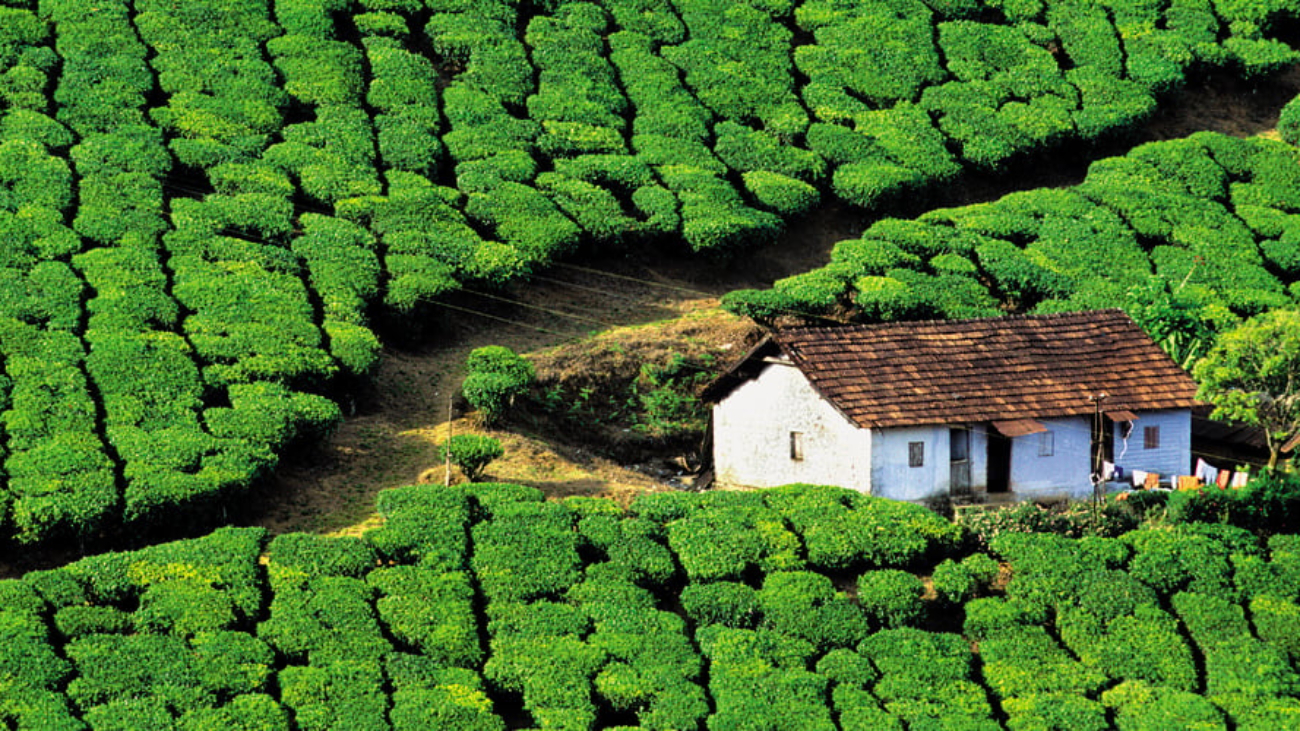
Another growth frontier lies in plantation infrastructure services. Tea, coffee, rubber, and spice plantations rely on internal roads, drainage, retaining structures, and worker housing maintenance. Formalising Malavettuvar-led service units to handle these functions creates steady private-sector demand alongside public contracts. Even capturing 20 percent of plantation maintenance spend can generate ₹2,000–₹3,000 crore annually.
Governance outcomes improve when execution capacity is local. Geo-tagged work reporting, safety audits, and milestone-based payments reduce leakage and quality failures. Panchayats and departments gain predictable capacity rather than emergency contracting.
Intergenerational mobility is tied to safety and status. Hill labour is traditionally seen as dangerous and low-status. Certification, protective equipment, and professional identity change this perception. Younger members can transition into site supervisors, safety officers, and technical inspectors over time.
By 2047, Malavettuvar / Malamuttan-led hill infrastructure and slope management systems can anchor a ₹12,000–₹15,000 crore annual economy segment focused on prevention, safety, and climate resilience. This converts historically precarious labour into essential public infrastructure capability, strengthening Kerala’s most vulnerable geographies.
