
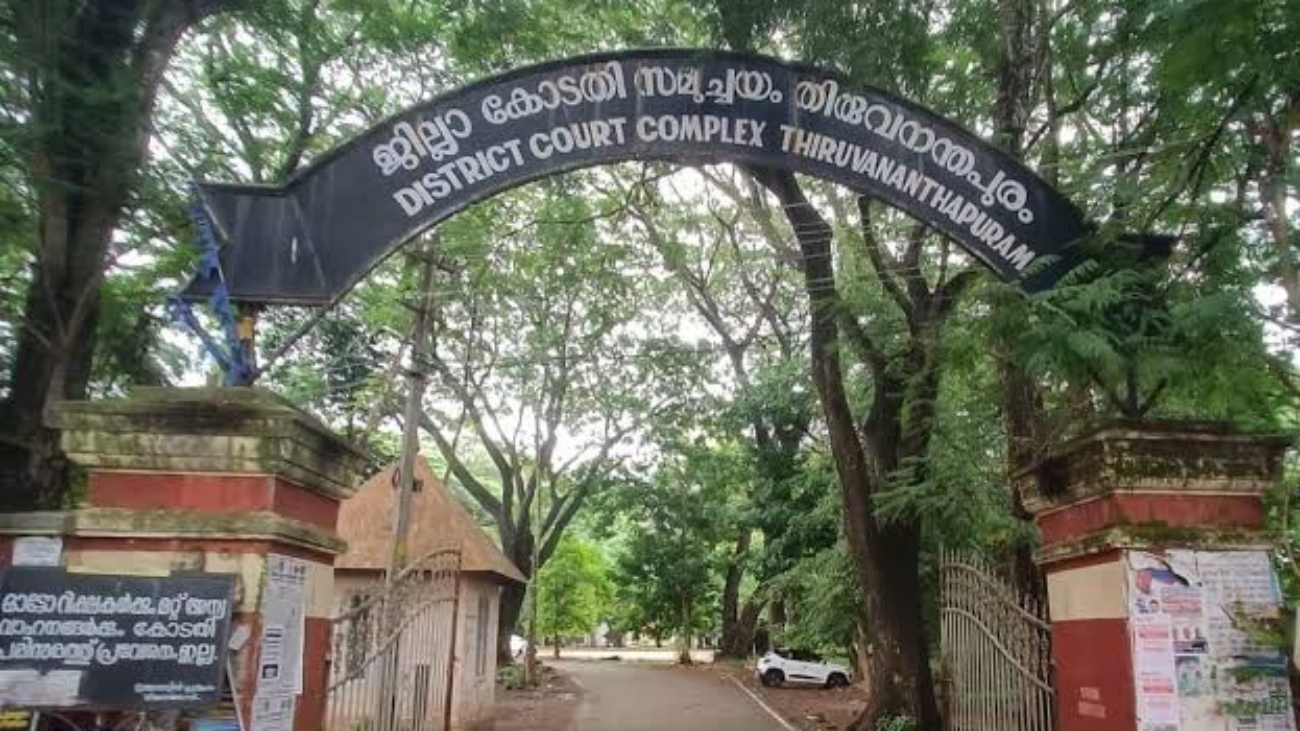
The Vanchiyoor–Chalai area of Thiruvananthapuram district forms one of the city’s most politically, administratively, and commercially intense inner-city belts. It hosts government offices, wholesale markets, transport nodes, dense rental housing, and some of the oldest trading streets in the capital. Activity levels are extremely high, margins are thin, infrastructure is aging, and service pressure is constant. Yet the local public finance model remains frozen in a low-yield, high-stress equilibrium. Vision Kerala 2047 requires this area to transition from an overstretched inner-city economy into a fiscally disciplined, intensity-priced civic core that pays for its own reliability.
Property taxation in Vanchiyoor–Chalai is misaligned with economic reality. Many buildings are old and assessed conservatively, yet accommodate high-value administrative, wholesale, and rental activity. Age-based depreciation has effectively subsidised intense commercial use for decades. By 2047, property valuation must shift toward functional intensity. Buildings hosting wholesale trade, offices, godowns, hostels, and high-turnover retail should be assessed based on usage, occupancy, and service load rather than physical age alone. Gradual recalibration can significantly raise effective collections without displacing residents.
Wholesale markets are the area’s defining economic feature and largest service burden. Chalai and adjoining market streets generate enormous waste volumes, sanitation demand, traffic congestion, and enforcement costs on a daily basis. Flat licensing fees and symbolic charges do not recover even a fraction of these costs. Vision Kerala 2047 should institutionalise market-area service agreements based on turnover bands, stall size, and operating hours. Revenues must be ring-fenced for sanitation, waste logistics, drainage maintenance, lighting, and public safety. International wholesale districts show that predictable service pricing improves compliance and cleanliness simultaneously.
Transport and logistics intensity is another major fiscal externality. Goods vehicles, handcarts, buses, and two-wheelers move continuously through narrow streets, accelerating road damage and safety risk. Yet transport activity is effectively unpriced. By 2047, managed access windows, differentiated commercial vehicle permits, and congestion-linked parking pricing should be normalised. Revenue from these measures can finance road strengthening, footpath repair, signage, and enforcement, reducing long-term maintenance costs.
Rental housing density is extremely high, with many buildings hosting multiple households or short-stay workers. This creates chronic pressure on water supply, waste management, and public health systems. A property-tax-only model structurally under-recovers these costs. Vision Kerala 2047 should introduce differentiated service pricing for bulk rental properties, combined with incentives for on-site waste segregation and water efficiency. This aligns payment with service demand while protecting affordability through thresholds.
Expenditure efficiency is critical in a constrained inner-city environment where disruption is costly. Vision Kerala 2047 should mandate predictive maintenance for drains, roads, and utilities, especially in market streets. Mapping underground infrastructure and scheduling preventive works can reduce emergency repairs by 15–20 percent. These savings function as implicit revenue by preserving fiscal space.
Waste and sanitation finance must be treated as core economic infrastructure rather than a social service. Market-linked waste generation should be priced transparently, with higher charges for bulk and late-hour waste producers. By 2047, sanitation finance in Vanchiyoor–Chalai should be predictable, activity-linked, and strictly reinvested locally. Clean markets increase turnover and reduce health risks, creating a positive feedback loop.
Energy efficiency offers limited but steady gains. Markets, godowns, and public buildings can adopt efficient lighting and shared solar where feasible. By 2047, savings from reduced public energy expenditure should be pooled into a local maintenance fund supporting lighting, surveillance, and emergency response.
Borrowing should be minimal and tightly targeted. Vanchiyoor–Chalai does not need expansion projects but sustained investment in reliability: drainage renewal, waste logistics, fire safety, and pedestrian infrastructure. Small, ring-fenced loans backed by market service fees, parking revenue, and rental service charges can finance these needs. Debt servicing should remain below 6 percent of locally generated revenue to avoid stress.
Transparency is essential in a politically visible and commercially sensitive area. Traders and residents must see direct returns on what they pay. By 2047, public dashboards showing sanitation cycles, waste clearance times, road repairs, revenue collection, and reinvestment should be standard. Visibility reduces conflict and builds cooperation.
By mid-century, the Vanchiyoor–Chalai area should aim to finance the majority of its maintenance and service delivery costs through locally generated, intensity-linked revenues. State support can then focus on strategic administrative functions rather than daily urban survival.
Vanchiyoor–Chalai is not glamorous, but it is indispensable. Vision Kerala 2047 must ensure that indispensability does not mean perpetual neglect. An inner-city core that prices intensity honestly and invests in reliability can remain functional, safe, and economically vital despite constant pressure.
