
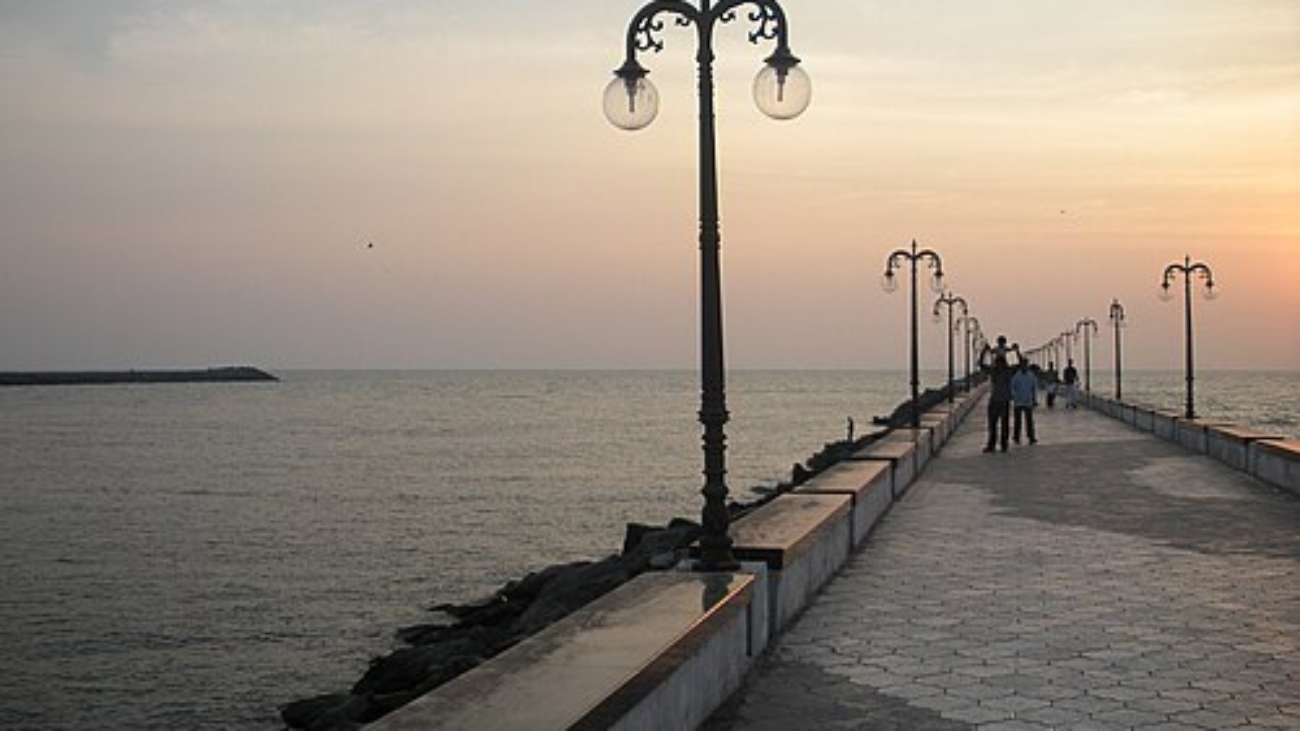
The Beypore area of Kozhikode district is one of Kerala’s oldest maritime economies and one of its most fiscally under-designed coastal zones. A historic port town, centre of traditional uru shipbuilding, fisheries hub, tourism destination, and river–sea interface at the Chaliyar estuary, Beypore generates cultural, economic, and symbolic value far beyond its size. Yet its public finance model remains fragile, subsidy-heavy, and disconnected from the activity it sustains. Vision Kerala 2047 requires Beypore to transition from a heritage-dependent port town into a self-financing maritime commons that captures value from port activity, tourism, and resilience investment without eroding traditional livelihoods.
Property taxation in Beypore significantly undercaptures locational and functional advantage. Proximity to the estuary, port access, beach frontage, and tourism corridors has driven land and rental values upward, yet assessments remain conservative due to legacy classifications and social sensitivity around coastal communities. By 2047, property valuation must move toward a differentiated maritime-use framework. Traditional fishing households and long-settled low-income residences should be protected through slow, income-sensitive reassessment and exemptions. In contrast, commercial properties linked to shipbuilding yards, tourism facilities, warehouses, homestays, and port-adjacent rentals must be assessed based on functional value and service demand. This dual-track approach allows revenue growth without displacement or cultural erosion.
Port and shipbuilding activity is Beypore’s defining economic feature and its largest unpriced externality. Uru construction, repair yards, material storage, transport of timber and equipment, and visiting clients generate sustained pressure on roads, sanitation, drainage, security, and emergency services. Yet the public cost of supporting this ecosystem is largely absorbed without recovery. Vision Kerala 2047 must institutionalise port-linked urban service contributions. These should be calibrated to yard size, production volume, or vessel tonnage and ring-fenced for access roads, drainage, fire safety, waste handling, and worker facilities. Globally, historic port towns that fail to price port externalities suffer infrastructure decay despite hosting valuable maritime industries.
Fisheries activity forms the social backbone of Beypore but also generates continuous service demand. Landing sites, ice plants, informal markets, net repair zones, and small processing units require sanitation, waste management, lighting, and access maintenance. Vision Kerala 2047 must clearly separate subsistence fishing from commercial-scale processing and export. Small-scale fishers should face minimal fiscal burden and receive service priority, while larger processing units and export-oriented operations should contribute through fisheries-linked service agreements. Revenues must be transparently reinvested into harbour sanitation, cold-chain waste handling, lighting, and safety, protecting dignity while ensuring fiscal fairness.
Tourism has emerged as a parallel economic driver. The beach, harbour views, shipyard tourism, food streets, festivals, and heritage walks attract large footfall, especially on weekends and holidays. This activity places disproportionate pressure on waste management, public toilets, policing, lighting, and emergency response, yet contributes little to upkeep. Vision Kerala 2047 should normalise visitor-linked service contributions collected through parking systems, organised tours, event permits, and hospitality licensing. Even modest per-visitor charges, when transparently earmarked, can fund continuous cleanliness, safety, and public space maintenance without discouraging tourism.
Environmental vulnerability is Beypore’s most persistent fiscal risk. The estuary and coastline face erosion, flooding, salt corrosion, and climate variability. Infrastructure damage recurs seasonally, leading to repeated repair costs. Vision Kerala 2047 must treat coastal and estuarine resilience as a standing operating expense rather than an emergency response. Resilience-linked service contributions should apply to commercial establishments, tourism operators, and port-linked businesses that benefit directly from embankments, drainage upgrades, and coastal protection works. Preventive investment consistently costs far less than repeated post-damage repairs.
Expenditure efficiency must focus on durability and lifecycle planning. Patchwork repairs in a saline, flood-prone environment fail quickly and waste public funds. Vision Kerala 2047 should mandate marine-grade standards for roads, lighting, public toilets, jetties, and drainage infrastructure. Predictive maintenance and lifecycle budgeting can reduce long-term costs by 20–30 percent compared to reactive repairs. These avoided costs effectively function as additional revenue by preserving fiscal space.
Mobility management is both a fiscal and safety lever. Narrow coastal roads carry fishing vehicles, tourists, construction material, and local traffic simultaneously. Unregulated parking and freight movement accelerate road damage and congestion. Vision Kerala 2047 should adopt time-windowed freight access, demand-based parking pricing near the harbour and beach, and pedestrian-priority zones in tourism clusters. Revenue from these measures should be reinvested into road strengthening, footpaths, lighting, and enforcement, improving safety while funding maintenance.
Energy and utilities offer stabilising opportunities. Shipyards, markets, public buildings, and community facilities are suitable for shared solar installations and efficient lighting. By 2047, savings from reduced public energy expenditure should be pooled into a local maritime maintenance and resilience fund supporting lighting, surveillance, and emergency preparedness.
Borrowing must be cautious and tightly linked to revenue-generating assets. Beypore does not require large speculative projects but sustained investment in sanitation, access, resilience, and public space quality. Small, ring-fenced loans backed by port-linked contributions, tourism fees, and parking revenue can finance these needs. Debt servicing should remain below 6–7 percent of locally generated revenue to preserve flexibility in a climate-vulnerable environment.
Transparency is essential in a community deeply aware of neglect and symbolic politics. Residents, fishers, artisans, and businesses must see visible returns on contributions. By 2047, public dashboards showing revenue inflows, sanitation schedules, infrastructure works, coastal protection measures, and service outcomes should be standard. When people see continuity instead of episodic clean-ups, trust and compliance improve.
By mid-century, the Beypore area should aim to finance the majority of its sanitation, access maintenance, and resilience costs through locally generated, activity-linked revenues, while protecting traditional livelihoods through targeted exemptions. State and central funds can then focus on strategic maritime heritage promotion, export facilitation, and large-scale coastal protection rather than routine urban survival.
Beypore is not just a port town; it is a living maritime civilisation. Vision Kerala 2047 must ensure that this civilisation is not sustained by sentiment and subsidies alone. A revenue system that prices activity honestly, protects dignity, and funds resilience continuously can allow Beypore to remain productive, humane, and proud well into the future.
