
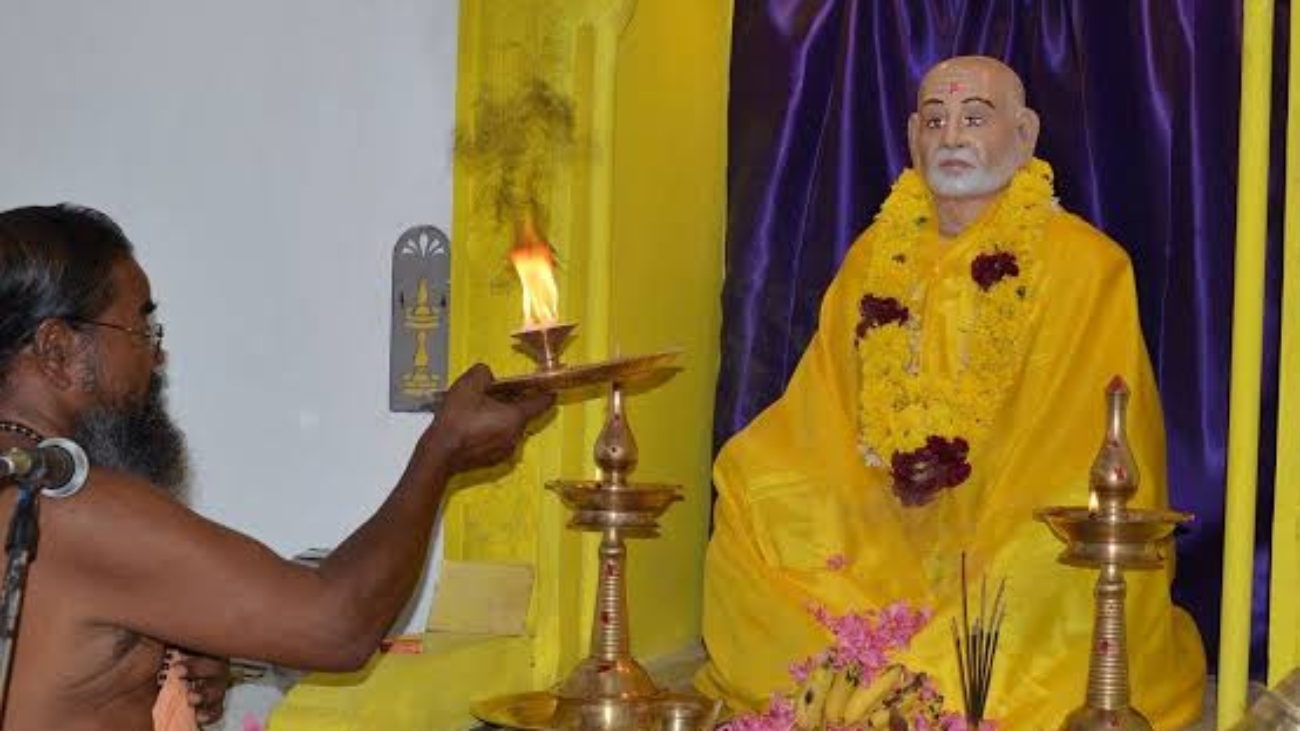
Kerala’s social infrastructure was designed for a different century, when religious institutions functioned primarily as ritual spaces and social identity anchors. As the state moves toward 2047, the real constraint is not absence of buildings or organisations, but under-utilisation of time, space, and institutional trust. The innovation opportunity for SNDP Yogam lies in redesigning its existing institutions into post-temple civic infrastructure that serves contemporary social, economic, and psychological needs without abandoning its cultural core.
Across Kerala, SNDP-linked temples, halls, and trust properties remain active only during peak ritual hours, festivals, or occasional events. For the rest of the time, these spaces lie dormant while communities struggle with access to skill training, mental health support, legal guidance, career counselling, and lifelong learning. The mismatch is structural, not ideological. The same building that hosts spiritual activity in the early morning or evening can function as a civic utility during working hours, provided the institution consciously redefines its role.
Post-temple infrastructure does not mean dilution of faith or tradition. It means temporal optimisation. A hall that hosts religious gatherings on weekends can operate as a digital literacy centre on weekdays. Temple office spaces can double as facilitation points for government services, pension assistance, cooperative memberships, or grievance redressal. Community kitchens used during festivals can be activated for nutrition programs, elder meal services, or disaster-response logistics. The innovation is not construction, but intelligent reuse.
Kerala’s demographic transition makes this especially urgent. With declining fertility rates and an ageing population, social isolation is emerging as a silent public health issue. Many elders live close to community institutions yet remain disconnected from meaningful engagement. Post-temple spaces can host productive ageing programs such as mentoring circles, oral history documentation, traditional skill transfer, and peer-support networks. This converts social presence into social participation, reducing dependency while preserving dignity.
There is also a governance advantage. Local governments in Kerala are overstretched, expected to deliver increasingly complex services with limited staff and technical capacity. SNDP institutions can function as neutral interface points where citizens receive guidance on navigating welfare schemes, compliance requirements, or skill transition options. This reduces administrative friction without politicising service delivery. Importantly, it also builds procedural trust at a time when public institutions face rising scepticism.
From an economic perspective, these spaces can incubate micro-activities that do not require high capital but benefit from shared infrastructure. Evening classes for working adults, cooperative service desks, career transition workshops, or digital work hubs can all operate within existing premises. Revenue generated from such activities can sustain maintenance costs, reducing dependence on donations while keeping services affordable.
Culturally, this model aligns with Kerala’s reformist tradition, where social institutions historically adapted faster than the state. SNDP itself emerged as a response to exclusion and stagnation, not as a static religious body. Post-temple civic infrastructure is a continuation of that legacy in a new form, responding to atomisation, skill mismatch, and institutional fatigue rather than caste barriers.
By 2047, the most respected institutions in Kerala will not be those that speak the loudest, but those that quietly solve everyday problems at the neighbourhood level. By converting its physical footprint into living civic infrastructure, SNDP can remain socially central without becoming politically entangled or ideologically rigid.
