
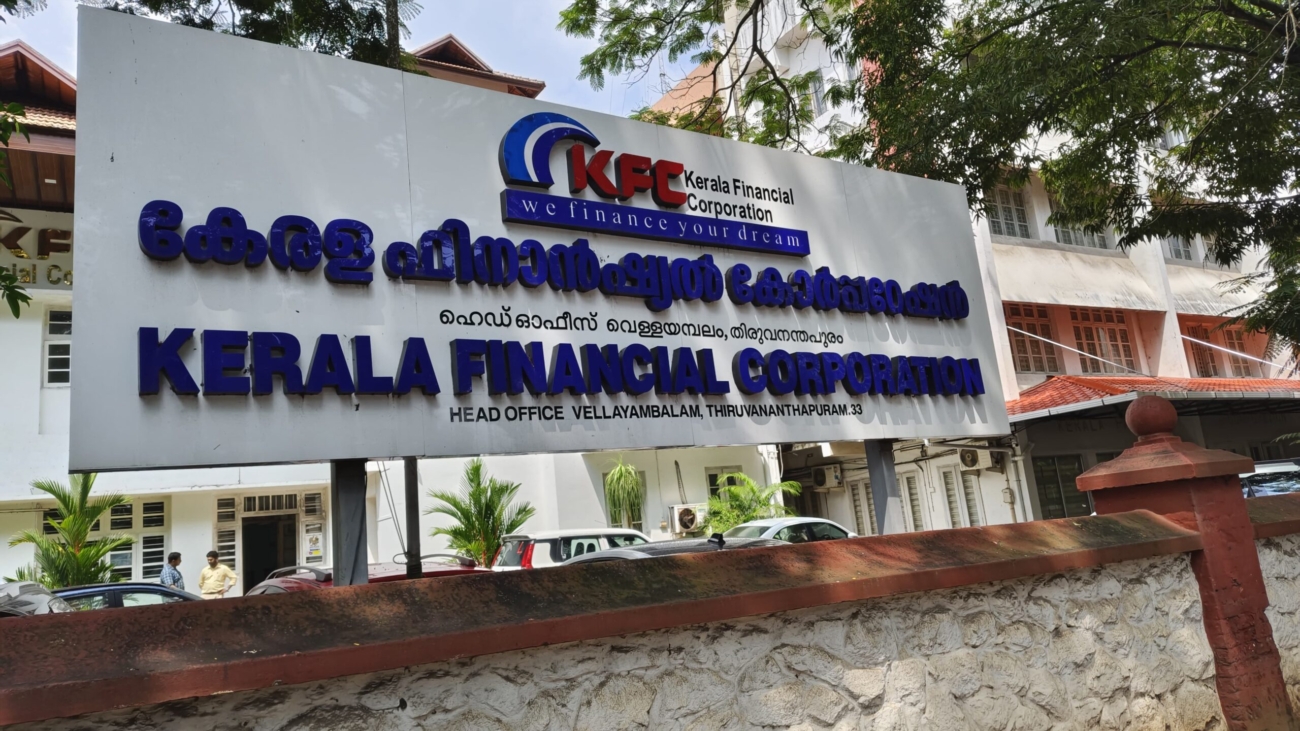
Kerala’s public finance systems are designed to lend to individual units, while the economy increasingly functions through interdependent systems. Enterprises fail not in isolation, but because surrounding logistics, compliance, talent, or market access breaks down. The innovation opportunity for Kerala Financial Corporation lies in shifting from unit-centric lending to ecosystem and cluster-based financing.
Most MSMEs in Kerala operate below optimal scale. They face high input costs, fragmented supply chains, duplicated compliance efforts, and weak bargaining power. Lending to one unit at a time does not solve these structural inefficiencies; it often amplifies risk by isolating borrowers. Cluster-based financing addresses this by funding shared economic infrastructure that raises productivity across multiple firms simultaneously.
Under this model, KFC finances common assets rather than only private ones. This includes shared processing units, testing laboratories, cold storage, logistics hubs, digital compliance platforms, shared HR and accounting services, and export facilitation centres. Individual enterprises plug into these systems instead of replicating them independently. Risk is distributed, efficiency improves, and survival rates increase.
Kerala is particularly suited for this approach because of its density and sectoral concentration. Fisheries, food processing, Ayurveda, tourism services, furniture, light engineering, cultural industries, and healthcare services already function informally as clusters. Formalising them through financial architecture converts organic proximity into economic advantage. KFC’s role becomes that of a backbone financier rather than a peripheral lender.
This model also improves credit discipline. When enterprises depend on shared infrastructure financed by KFC, peer pressure and collective governance improve repayment behaviour. Defaults become socially visible rather than individually hidden. This informal accountability layer is often more effective than legal enforcement alone, especially in community-oriented economies like Kerala.
From a governance perspective, cluster financing simplifies monitoring. Instead of tracking hundreds of small loans independently, KFC can evaluate system-level indicators such as utilisation rates, throughput, cost reduction, and employment stability. This aligns with outcome-based public finance rather than transaction-based lending.
There is also a resilience dividend. Ecosystems absorb shocks better than standalone units. When demand shifts or one firm underperforms, others within the cluster compensate, protecting both employment and loan performance. This is critical in a future marked by climate volatility, market disruptions, and technological change.
By financing economic ecosystems rather than isolated enterprises, KFC can reduce risk while increasing impact. This is not a radical departure from development finance logic; it is its modernisation. As Kerala approaches 2047, the ability to think in systems rather than silos will determine whether public capital merely circulates or actually compounds.
