
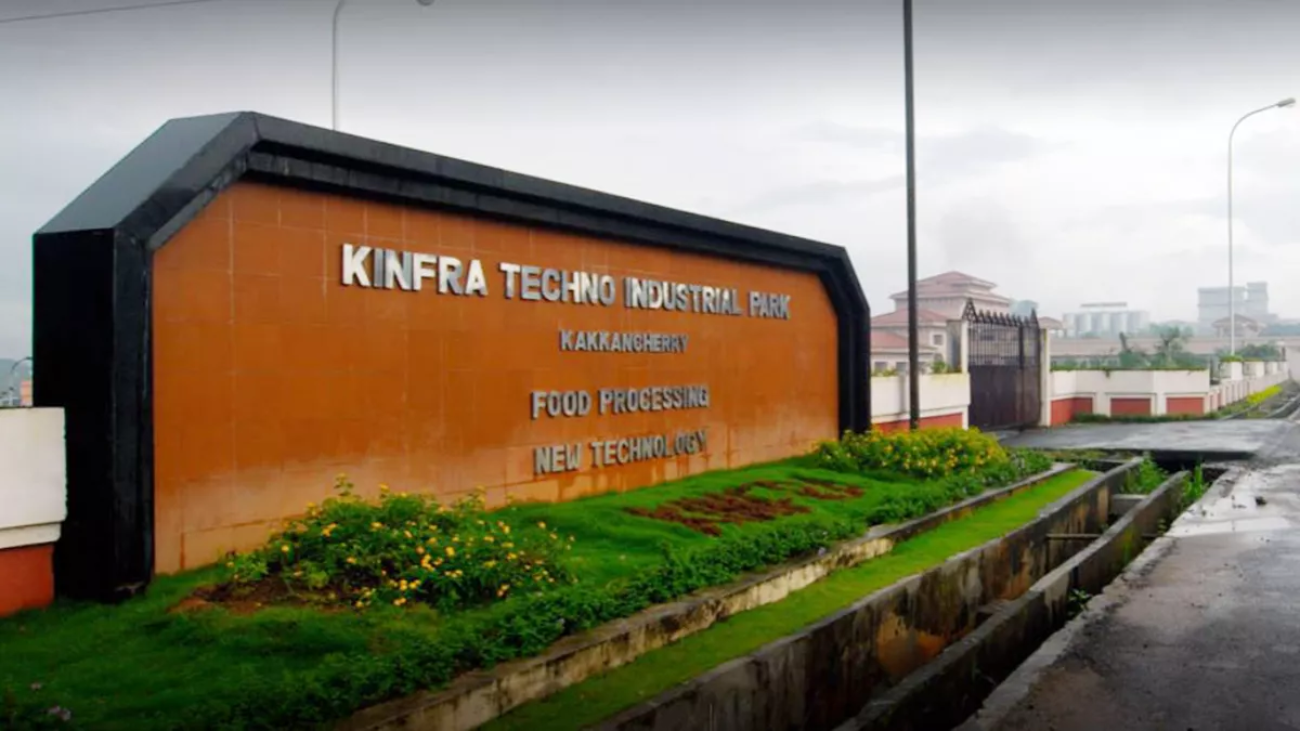
Kerala’s industrial policy is largely reactive because the state lacks real-time, ground-truth intelligence on how industry actually behaves. Data exists, but it is scattered across departments, approvals, utilities, and compliance files, rarely integrated into a forward-looking signal. The strategic opportunity for Kerala Industrial Infrastructure Development Corporation lies in becoming a quiet industrial intelligence layer that senses future trends before they become visible crises or missed opportunities.
KINFRA sits at a unique junction where intent meets execution. It sees who applies for land, which sectors expand, where projects stall, how power and water demands evolve, and which compliance hurdles recur across industries. Individually, these signals are treated as administrative details. Aggregated, they form one of the most powerful predictive datasets in the state’s economic system.
An industrial intelligence layer does not require public dashboards or loud announcements. It requires disciplined aggregation and interpretation. Patterns in land uptake can indicate emerging sectors years before employment data reflects them. Repeated delays in certain approvals reveal regulatory choke points. Shifts in power density, water intensity, or logistics needs signal structural change in industrial composition. KINFRA can convert these patterns into anticipatory insights.
This intelligence has direct policy value. Instead of designing incentives based on outdated assumptions, the state can align skilling programs, infrastructure investment, and finance toward sectors that are demonstrably forming. It also helps avoid sunk-cost mistakes by flagging sectors that attract interest but consistently fail to operationalise due to hidden constraints.
There is also a risk-management dimension. Early warning signals from KINFRA data can alert the government to industrial stress caused by climate events, market shifts, or regulatory shocks. This enables targeted intervention rather than blanket relief, preserving fiscal discipline while protecting employment.
Crucially, this role must remain low-noise and non-political. The power of an intelligence layer lies in credibility, not visibility. KINFRA’s insights should inform internal decision-making, cabinet-level planning, and PSU coordination without becoming a public spectacle or lobbying tool.
Over time, this function elevates KINFRA from an implementing agency to a strategic sensing institution. It does not replace planning bodies or finance institutions; it sharpens them. In a complex economy, the ability to see early matters more than the ability to react loudly.
By 2047, Kerala’s competitiveness will depend on whether it can anticipate change rather than chase it. If KINFRA quietly becomes the state’s industrial intelligence layer, it will shape outcomes without ever needing to claim credit.
