
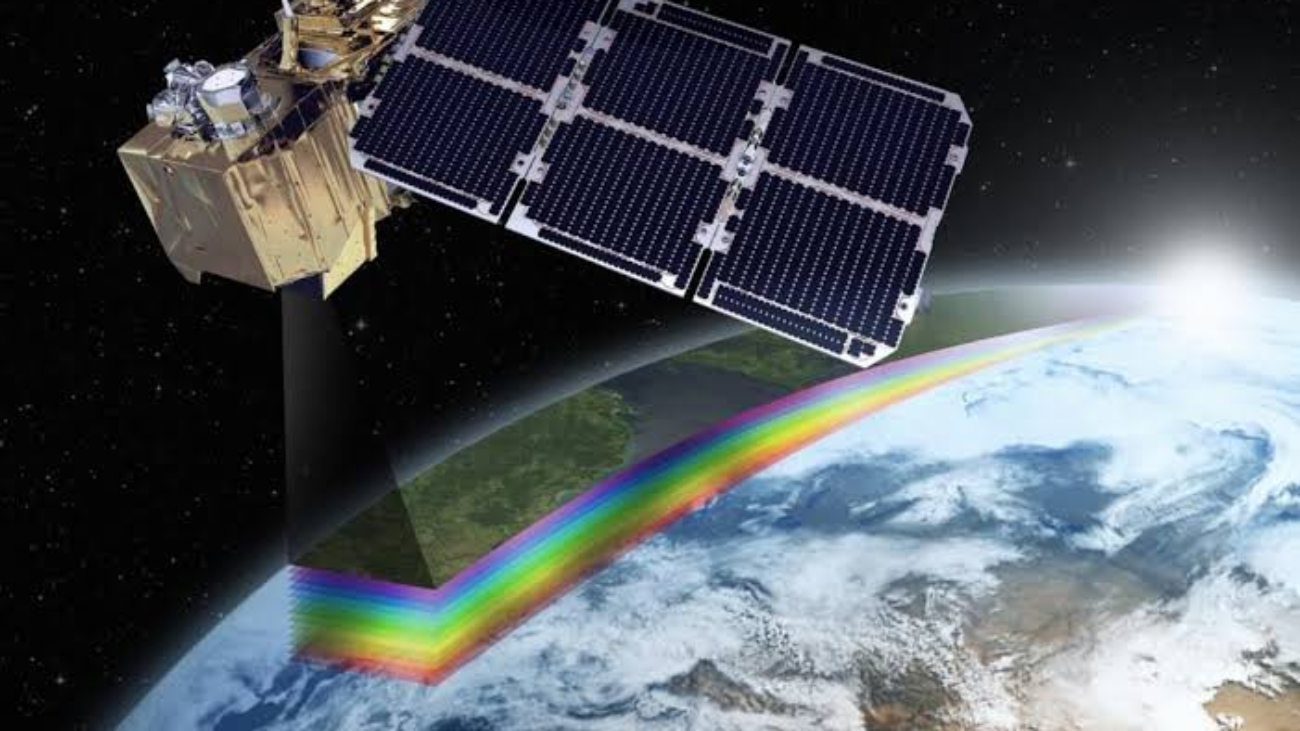
Kerala’s climate response is still organised around relief and reconstruction, even though risk patterns are now predictable, mappable, and increasingly granular. Floods, landslides, heat stress, coastal erosion, and groundwater depletion are treated as episodic disasters rather than continuous financial and planning risks. The strategic opportunity for Kerala State Remote Sensing and Environment Centre lies in building climate risk zoning that directly informs policy, finance, and everyday development decisions.
Climate risk zoning goes beyond hazard maps. It integrates historical climate data, terrain features, land-use change, hydrology, infrastructure density, and socio-economic exposure to create fine-grained risk profiles at the ward, street, and parcel level. Instead of asking whether an area is flood-prone in general, the system answers more precise questions: how often, under what rainfall intensity, with what downstream impact, and at what economic cost.
This level of zoning has immediate policy value. Building approvals can be differentiated based on micro-risk rather than blanket regulations. Infrastructure design standards can vary by exposure level instead of using uniform norms. Public investments can be prioritised toward zones where marginal spending reduces the highest future loss. Climate adaptation stops being an abstract goal and becomes a spatially targeted strategy.
The financial implications are equally significant. Insurance pricing, loan tenures, collateral valuation, and public credit guarantees can all incorporate climate risk layers. When finance reflects real exposure, capital flows adjust naturally toward safer designs, resilient locations, and adaptive technologies. This reduces future public bailouts and silent asset erosion. KSREC’s zoning can become a neutral technical input that depoliticises difficult financial decisions.
For local governments, climate risk zoning provides political cover for long-term thinking. Restricting construction, relocating facilities, or redesigning infrastructure often attracts resistance when decisions appear arbitrary. Spatial risk evidence reframes these actions as technical necessity rather than administrative overreach. This strengthens legitimacy while reducing litigation and protest.
There is also a social equity dimension. Climate impacts disproportionately affect lower-income communities living in high-risk zones. Fine-grained zoning allows targeted mitigation such as drainage upgrades, cooling interventions, or relocation assistance before disasters strike. This shifts climate policy from post-event compensation to pre-emptive protection.
Importantly, climate risk zoning is not static. As land use changes, mitigation measures are introduced, or climate patterns evolve, zones update. This creates a living risk map rather than a one-time classification that quickly becomes obsolete. KSREC’s role is continuous calibration, not one-off publication.
By 2047, climate risk will be a central variable in governance, finance, and planning whether institutions prepare for it or not. If KSREC anchors climate risk zoning as a shared reference layer across the state, Kerala moves from climate reaction to climate intelligence.
