
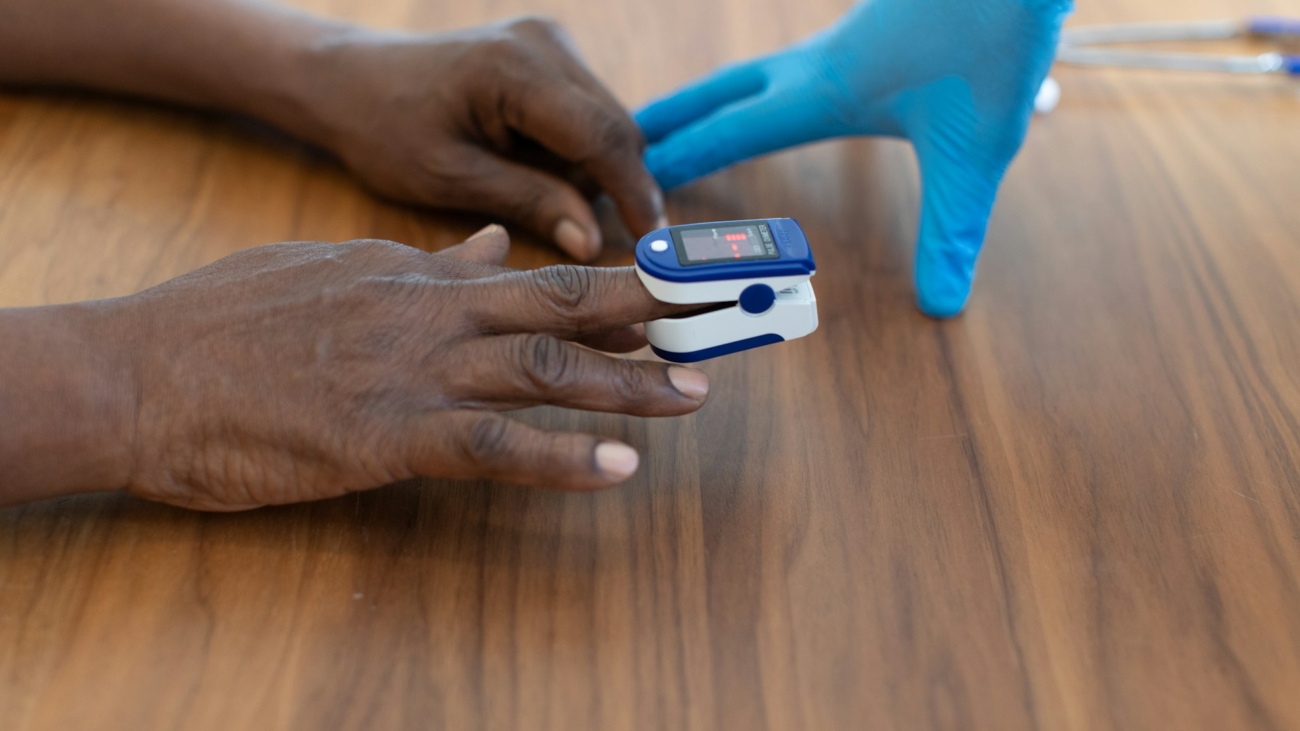
Kerala is rightly proud of its healthcare system. Hospitals are accessible, outcomes are strong, and medical expertise is widely respected. Yet beneath these achievements lies a quieter reality that voters feel every day: illness in Kerala still produces fear—fear of cost, fear of long-term dependency, fear of aging without support, and fear of becoming a burden on family.
The next health crisis facing Kerala is not the absence of hospitals. It is the absence of security.
Kerala Vision 2047 – Health Security as Infrastructure
Health today is experienced not as a continuous system, but as a series of shocks. A diagnosis disrupts finances. Chronic illness exhausts caregivers. Mental health struggles remain invisible until they become emergencies. Even insured households live with uncertainty. The system treats illness, but it does not protect households.
Health Security as Infrastructure proposes a necessary reframing. Just as roads, electricity, and water work best when they are stable and predictable, health systems must function as quiet, dependable infrastructure across a person’s lifetime. Health policy should reduce fear, not merely treat disease.
This approach shifts focus from hospitals to households, from episodes to life stages, and from reimbursement to predictability. It integrates preventive care, mental health, eldercare, caregiver support, and financial smoothing into a single governance logic. The objective is simple but profound: illness should not trigger financial or emotional collapse.
Kerala’s demographic reality makes this urgent. The population is aging faster than the country average. Chronic diseases are rising. Traditional family care structures are weakening. Women silently absorb caregiving costs by exiting the workforce. These pressures do not show up in hospital statistics, but they shape voting behaviour, migration decisions, fertility choices, and social trust.
Kerala Vision 2047 – Health Security as Infrastructure
Health Security as Infrastructure recognises that the most important health outcome is confidence. When families know that care will be continuous, affordable, and coordinated, they seek treatment earlier, manage conditions better, and live with less anxiety. This improves outcomes and reduces long-term public costs.
Importantly, this is not a call for unlimited welfare or hospital expansion. It is a call for smarter governance—upstream investment, continuity of care, and alignment across institutions. Prevention costs less than crisis. Predictability costs less than panic.
At Vastuta, we believe Kerala’s next phase of governance must focus less on visible announcements and more on invisible stability. A government that can quietly reduce fear around illness, aging, and care will earn deeper trust than one that merely builds more facilities.
By 2047, a resilient Kerala will not be defined only by how well it treats sickness, but by how confidently its citizens live with health.
Health security is no longer a sectoral issue.
It is foundational infrastructure for a humane society.
