
Pathanamthitta is often described as an economically weak district. This description misses the point. The district does not suffer from poverty, instability, or lack of income. It suffers from economic invisibility. High remittance inflows, low urban pressure, strong social indicators, and deep religious significance created a stable but stagnant economy. Money flows in, but it does not circulate with intent. Value exists, but it is rarely organised.
Pathanamthitta’s economic story has always been unusual. It hosts one of the largest seasonal human movements in the world through Sabarimala, yet captures surprisingly little long-term value from it. Every year, millions pass through the district, but most economic activity remains temporary, informal, and extractive. Services scale briefly and disappear. Skills are not accumulated. Enterprises do not compound. Faith generates movement, but governance fails to convert that movement into a structured service economy.
The opportunity is not to commercialise pilgrimage, but to professionalise it. Pilgrim logistics, accommodation management, food safety systems, health services, sanitation, emergency response, and mobility are all legitimate economic activities when organised properly. A seasonal economy does not have to be chaotic. With licensing, skilling, and digital payments, Pathanamthitta could convert seasonal work into semi-formal employment and permanent service firms that survive beyond the pilgrimage months.
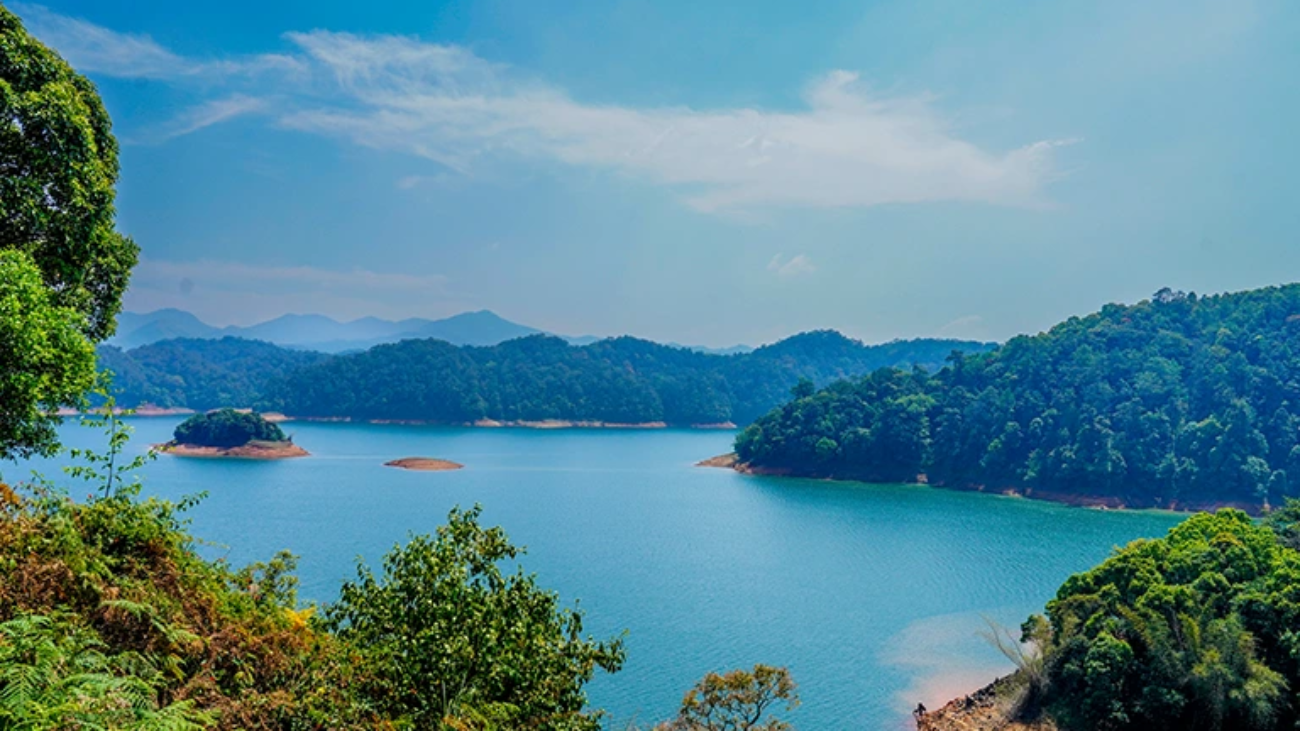
Beyond pilgrimage, Pathanamthitta’s ecological depth is its second untapped engine. Large forest cover, river origins, and biodiversity make conventional industrialisation both unsuitable and unnecessary. For decades, ecology was treated only as something to be protected, not structured. Forest-based non-timber products, medicinal plants, river stewardship services, biodiversity restoration, and climate adaptation work can generate employment without ecological damage. These are not symbolic green ideas. They are emerging global service markets that Pathanamthitta is naturally positioned to serve.
The third and least discussed opportunity lies in care, education, and residency-based services. Pathanamthitta has one of the highest out-migration rates in Kerala. This has created a quiet demographic reality of ageing parents, return migrants with capital, and families seeking calm, low-density living environments. Organised assisted living, rehabilitation, wellness centres, slow-learning campuses, and research residencies can convert this reality into a stable service economy. This is not tourism. It is long-stay economic participation.
What holds Pathanamthitta back is not lack of ideas, but lack of ownership. No institution is responsible for district-level value outcomes such as seasonal economic capture, service employment stability, ecological value creation, or care-sector growth. Generic industrial metrics do not apply here. Pathanamthitta requires a different economic lens—one that measures circulation rather than extraction.
Pathanamthitta does not need factories or IT parks. It needs intentional design. Its future economy will never be loud, but it can be deep, resilient, and ethically grounded. If Thiruvananthapuram becomes Kerala’s high-value engine and Kollam its employment stabiliser, Pathanamthitta can become the state’s ecological and social anchor.
That role is not marginal. It is indispensable.
